Secretary of State Marco Rubio has been handed what the New York Times describes as unprecedented powers over U.S. policy toward Venezuela, consolidating authority that had previously been distributed across multiple federal agencies. The report, published July 12, 2026, marks a sharp centralization of Venezuela decision-making inside the State Department.
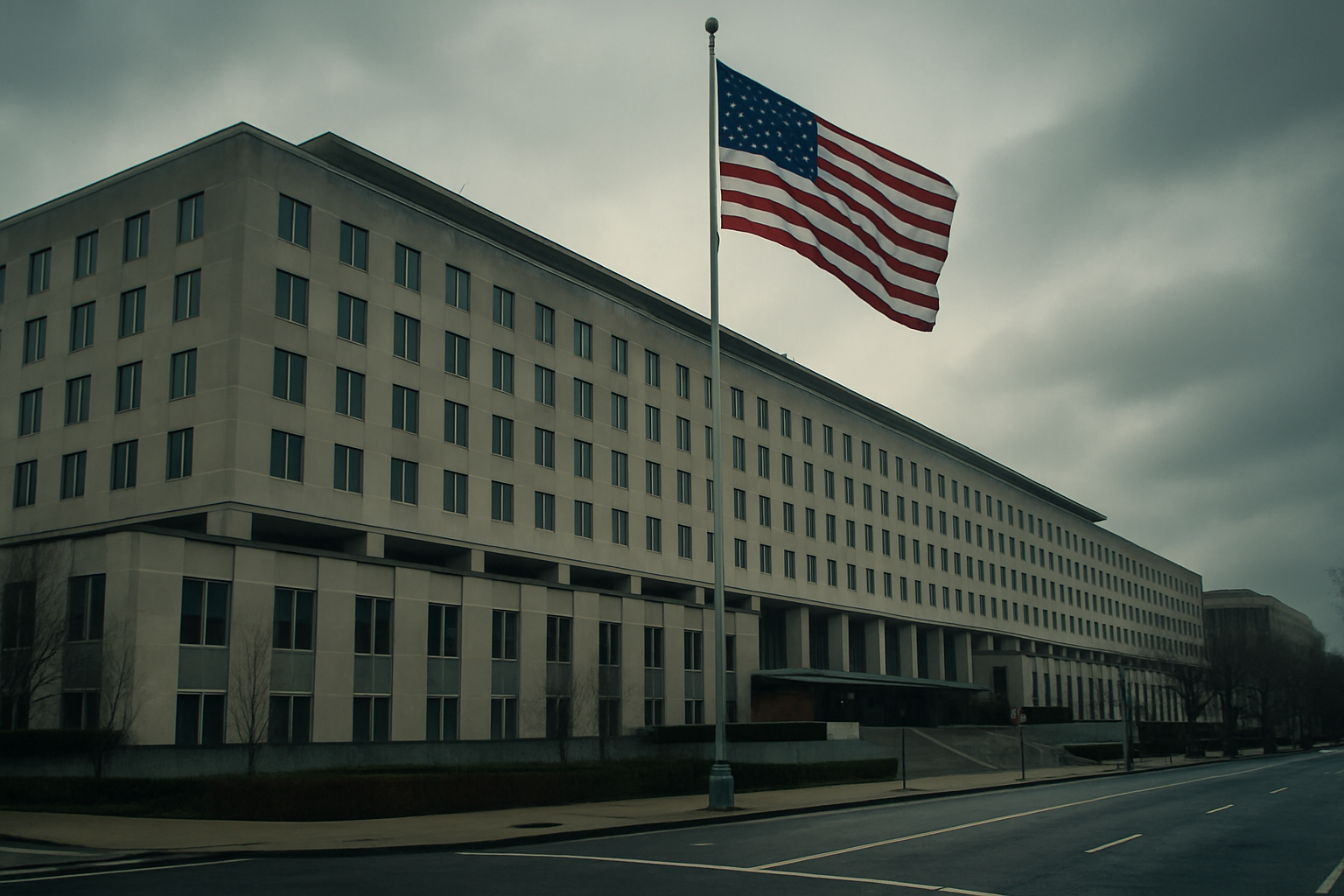
The non-obvious detail buried in the NYT’s account: Rubio’s new authority extends specifically to oil licensing — the legal waivers that allow foreign companies to do business with Venezuela’s state oil company, PDVSA. Those licenses have been a pressure valve in U.S.-Venezuela relations for years, and placing them under a single official’s personal control is a structural shift, not just a bureaucratic reassignment.
What Rubio’s consolidated control actually covers
Under the new arrangement, Rubio holds direct sway over the full toolkit the U.S. uses to engage — or squeeze — Caracas. That includes the imposition and lifting of economic sanctions, oversight of diplomatic back-channels, and the oil licensing waivers that have periodically allowed Chevron and other energy companies to operate in Venezuelan fields.
Previously, sanctions policy ran primarily through the Treasury Department’s Office of Foreign Assets Control (OFAC), while the State Department, National Security Council, and Energy Department each had overlapping input. Concentrating that in one cabinet official removes the interagency friction that has historically slowed or moderated Venezuela decisions.
Venezuela’s Nicolás Maduro government has survived successive U.S. pressure campaigns partly by exploiting gaps between agencies. Closing those gaps hands Rubio a more coherent lever — but also means one official bears accountability for outcomes.
Why Venezuela is still a live issue in 2026
Venezuela’s humanitarian situation has not stabilized. Millions of Venezuelans remain displaced across Latin America and the Caribbean, making it one of the largest displacement crises in the Western Hemisphere. Migration into the United States has kept Venezuela prominent in domestic policy debates.
The Maduro government, meanwhile, has deepened ties with Russia, Iran, and China, complicating U.S. efforts to isolate Caracas through traditional multilateral channels. Sanctions have eroded PDVSA’s output, but they have not forced a political transition — the central question driving Washington’s repeated strategy reviews.
Oil licensing has been the most contested lever. When the Biden administration issued a temporary waiver for Chevron in late 2022, it triggered a brief opening in negotiations and a modest uptick in Venezuelan oil production. Critics argued it handed Maduro economic relief without extracting political concessions; supporters said it kept a line of communication open. Rubio, a longtime hardliner on Venezuela, now controls whether those licenses exist at all.
Rubio’s record and what the consolidation signals
Rubio has advocated for maximum pressure on the Maduro government since his time in the Senate, consistently opposing sanctions relief without verifiable democratic concessions. His elevation to Secretary of State already signaled a tougher posture; the new powers formalize that posture at an institutional level.
The consolidation also has implications beyond Venezuela. Analysts watching U.S. Latin America policy note that a State Department with this degree of unilateral authority over a specific country sets a template that could be applied elsewhere in the hemisphere. Cuba and Nicaragua, both subjects of long-running U.S. sanctions regimes, may be affected by the precedent.
For the Venezuelan opposition — which has been fractured and largely sidelined since the disputed 2024 presidential election — the shift is a double-edged development. A single point of contact in Washington can move faster, but it also means the entire relationship hinges on one official’s judgment and political calculus.
How other agencies respond to the power shift
The Treasury Department has not publicly commented on how OFAC’s role will be redefined under the new structure. Traditionally, OFAC operates with significant independence on sanctions designations, backed by its own legal and investigative staff. Whether Rubio’s authority means he can unilaterally reverse OFAC designations or simply has final say on new ones is a legal distinction that will matter enormously in practice.
National security reporters covering the story note that the NSC’s Venezuela portfolio is also affected, though the precise chain of command between the State Department and the National Security Advisor’s office has not been publicly detailed.
For American energy companies like Chevron, which has maintained a limited operational presence in Venezuela under existing licenses, the practical question is whether Rubio will renew, restrict, or revoke those waivers when they next come up for review — a decision that now rests squarely on his desk.
The NYT’s reporting adds to a broader pattern of foreign policy authority being concentrated in the State Department under Rubio, a trend worth tracking as the administration works through a packed diplomatic calendar that also includes tensions with Iran and other flashpoints. The next concrete test of Rubio’s new Venezuela mandate will likely come when the current Chevron oil license waiver expires — at which point his decision will signal whether the new powers are being used to tighten pressure or to open a negotiating window.