A San Francisco restaurant is facing sustained criticism online after customers discovered it was using AI-generated images to advertise its food, according to a report from SFGate. The restaurant, Grind & Unwind, drew backlash this week after diners and social media users flagged menu and marketing visuals that appeared to be produced by artificial intelligence rather than photographed on-site.
The controversy, first reported by SFGate on July 21, 2026, adds San Francisco to a growing list of cities where AI-generated content in customer-facing businesses has triggered public frustration, even as the technology’s home turf is the Bay Area itself.
What Happened
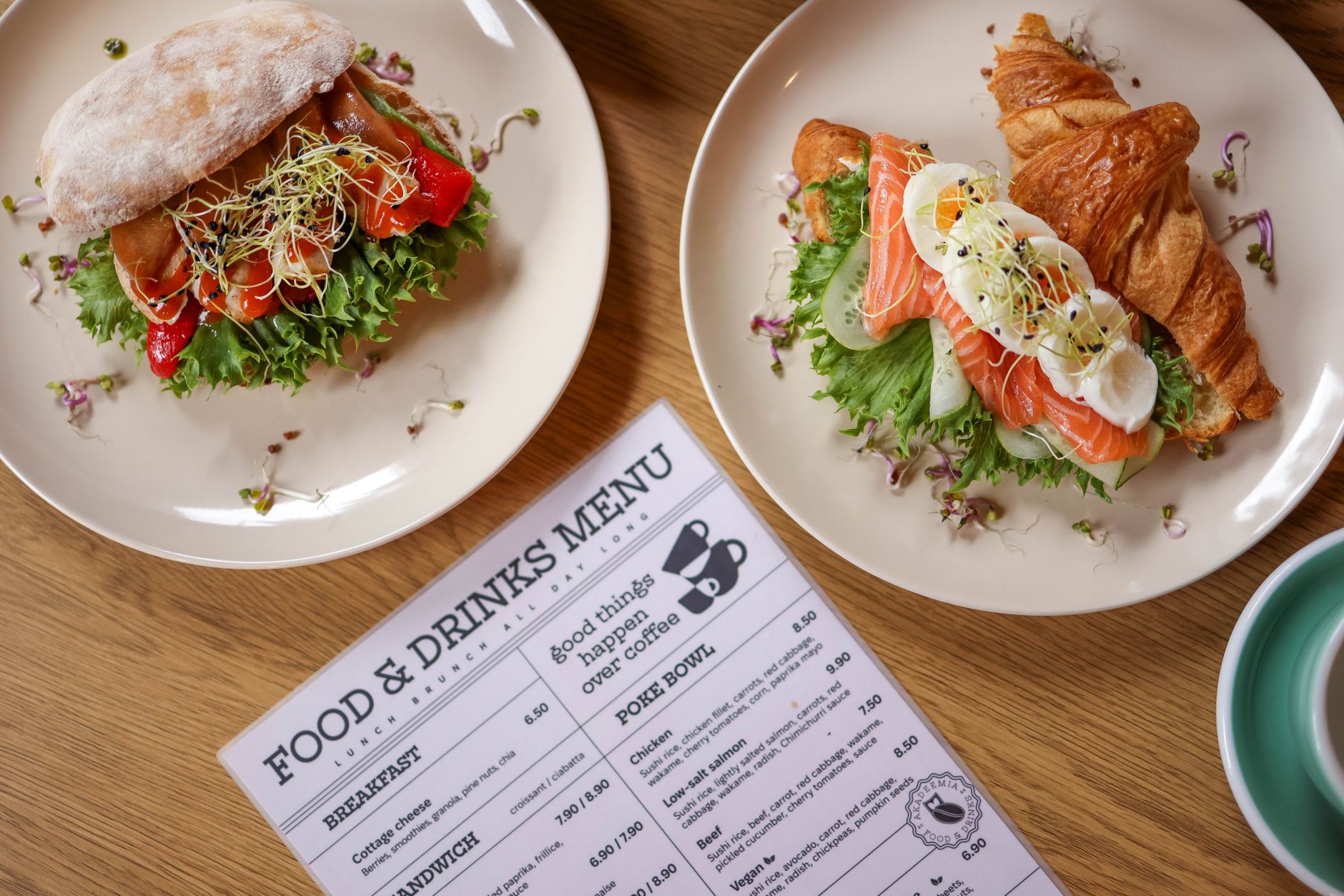
Customers who visited Grind & Unwind noticed that some of the images used to promote menu items looked artificial, with the telltale visual quirks associated with AI image generators: oddly smooth textures, inconsistent lighting, and food that appeared slightly too polished to be real. Once shared on social media, the images spread quickly, with commenters accusing the restaurant of misleading customers about what they would actually be served.
For many critics, the issue wasn’t just aesthetic. Restaurant menus have long relied on real photography to set expectations for portion size, presentation, and ingredients. Using AI-generated substitutes, critics argued, blurs the line between advertising and misrepresentation, particularly in a city where dining costs are already high and diners expect transparency for what they’re paying for.
Why It Struck a Nerve
The backlash arrives amid a broader wave of public skepticism toward AI’s expansion into spaces once reserved for human craft and labor, from photography and design to writing and customer service. San Francisco, as the epicenter of the generative AI boom, has become an unusually charged setting for these debates. Local business owners are simultaneously among AI’s biggest boosters and, increasingly, targets of criticism when the technology is seen as replacing authenticity with convenience.
Small businesses have faced growing scrutiny over how they deploy AI tools, particularly in industries built on sensory experience and trust. Restaurants sit squarely in that category: diners often choose where to eat based on visual cues, and a mismatch between advertised and actual food can feel like a breach of an unspoken contract.
The episode also echoes tension seen elsewhere in the entertainment and creative industries. Streaming giant Netflix recently disclosed that it had used generative AI tools on roughly 300 titles this year, a revelation that drew mixed reactions from audiences even as the company’s earnings beat estimates and its stock still fell. In both cases, companies argue AI tools cut costs and speed up production, while critics say the shortcuts erode the trust and craftsmanship customers expect to pay for.
Part of a Larger Pattern
The Grind & Unwind controversy is the latest flashpoint in a string of public disputes over AI’s footprint in everyday life. Earlier this year, anti-AI data center protests swept across US cities, as residents pushed back against the infrastructure boom powering tools like the ones used to generate restaurant marketing images. Environmental advocate Erin Brockovich has separately argued that data centers are being shoved down communities’ throats in secrecy, tying local AI backlash to broader concerns about transparency and consent.
Restaurant industry observers say the episode illustrates a mismatch between how AI companies pitch their tools — as low-cost, high-speed creative aids — and how consumers actually respond when they encounter AI-generated content without clear disclosure. Unlike a streaming platform’s visual effects, a menu photo carries an implicit promise: this is what you will receive. When that promise turns out to be synthetic, trust erodes quickly.
What Comes Next
It remains unclear whether Grind & Unwind will remove the AI-generated images, replace them with traditional photography, or issue a public response addressing the criticism. SFGate’s report did not indicate that the restaurant had commented publicly on the backlash as of the story’s publication.
The incident is likely to fuel ongoing conversations about disclosure standards for AI-generated marketing material, particularly in industries like food service where visual accuracy has long been treated as an implicit consumer protection. Some diners and industry commentators have called for clearer labeling requirements, similar to disclosure norms already emerging in advertising and journalism, to distinguish AI-generated visuals from real photography.
For an industry built on sensory trust, even small AI shortcuts can carry an outsized reputational cost once customers notice the difference.
As AI tools become cheaper and more accessible to small businesses, the Grind & Unwind case may serve as an early test of how much latitude consumers are willing to give restaurants and retailers that turn to synthetic imagery instead of real photography — and how quickly public backlash can force a correction.