Short sellers are ramping up bets against Destiny Tech100, the publicly traded fund whose biggest holding is a stake in SpaceX, as its shares tumble from the lofty premiums investors paid to gain indirect access to Elon Musk’s rocket company. The declines, first detailed by Yahoo Finance, underscore a growing disconnect between what retail investors are willing to pay for SpaceX exposure and what the underlying shares are actually worth.
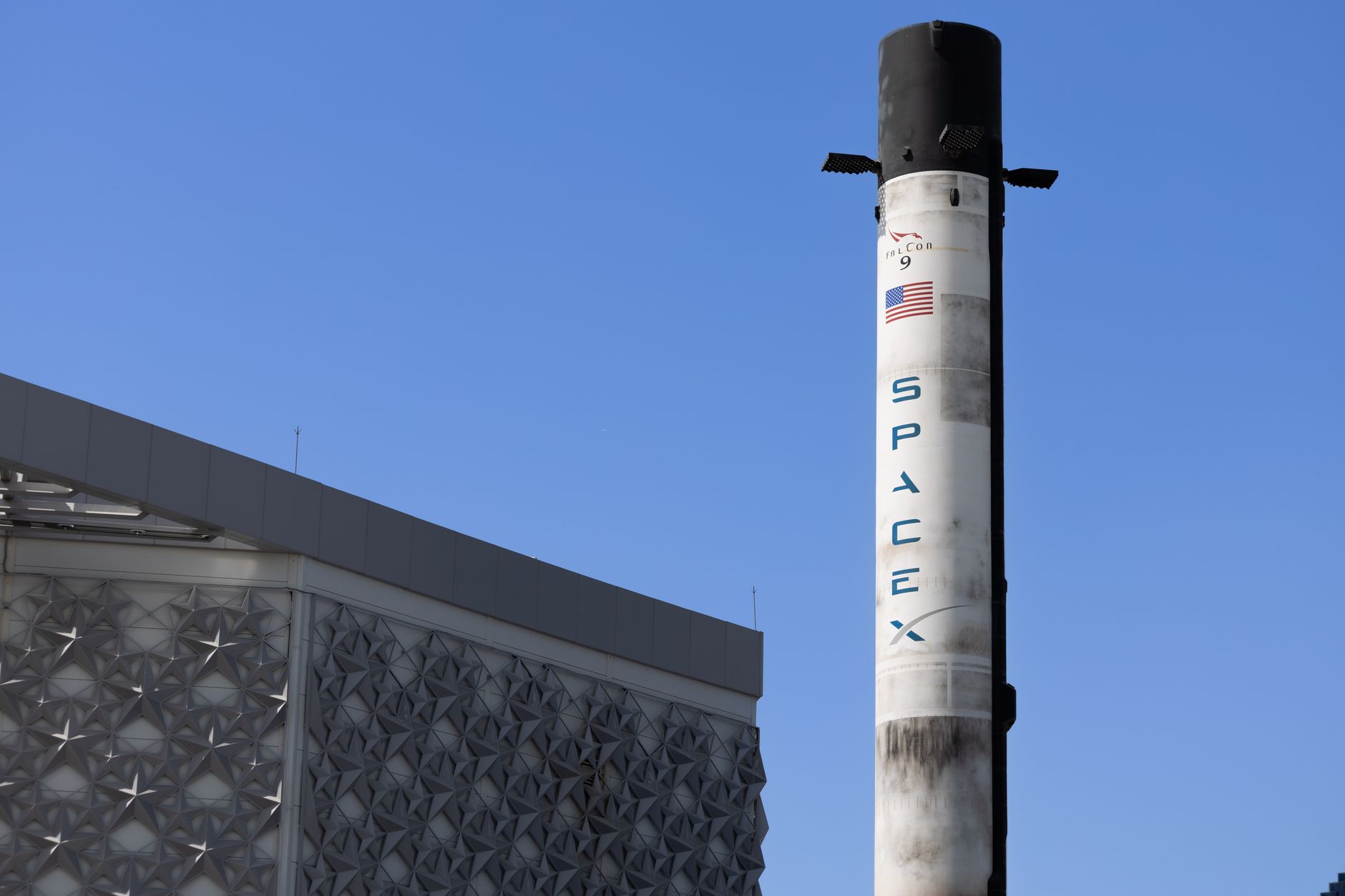
SpaceX itself has never sold stock on a public exchange and has no plans to. It remains one of the most valuable private companies in the world, with recent employee tender offers and secondary-market transactions pricing the company in the hundreds of billions of dollars. Because ordinary investors can’t buy SpaceX shares directly, many have instead piled into vehicles like Destiny Tech100, a closed-end fund trading under the ticker DXYZ that holds SpaceX stock alongside stakes in other private tech names.
Why a Fund, Not SpaceX, Is Getting Shorted
Destiny Tech100 surged after its 2024 debut, at times trading at a premium of several multiples above the estimated net asset value of its underlying holdings — a gap analysts warned was unsustainable. That premium made the fund an obvious target for short sellers, who borrow shares and sell them, betting the price will fall toward a level more in line with the fund’s actual net asset value.
In recent weeks, short interest in the fund has climbed noticeably as its share price has fallen well off its highs. Bears argue that as more investors realize they are paying a steep markup for indirect, illiquid exposure to a private company they don’t actually own, the premium will keep shrinking. Bulls counter that continued reports of rising private-market valuations for SpaceX, driven by Starlink’s expanding subscriber base and the company’s dominant position in launch services, could keep demand for the fund elevated even at a premium.
The Mechanics Investors Are Missing
Because Destiny Tech100 is structured as a closed-end fund, its market price can diverge substantially from the value of the assets it holds, unlike a traditional exchange-traded fund that mechanisms typically keep tethered to net asset value. Retail investors chasing SpaceX exposure have sometimes overlooked that distinction, buying shares at prices well above what the fund’s own disclosures suggest its holdings are worth.
- SpaceX stock is not listed on any public exchange.
- Destiny Tech100 (DXYZ) offers indirect exposure by holding a stake in SpaceX and other private companies.
- The fund has historically traded at a premium to its net asset value, a gap short sellers are now targeting.
- Rising short interest reflects skepticism that the premium can hold as the shares slide.
Analysts covering closed-end funds have repeatedly cautioned that large premiums to net asset value tend to compress over time, particularly once initial retail enthusiasm cools.
What It Means for SpaceX’s Actual Valuation
The volatility in Destiny Tech100 shares says little about SpaceX’s underlying business, which continues to fly Falcon 9 rockets at a record pace, expand the Starlink satellite network, and develop the Starship vehicle for future missions including NASA’s Artemis lunar program. Private secondary-market transactions have continued to value SpaceX in the hundreds of billions of dollars, and the company has shown no indication of pursuing a traditional initial public offering, a step Musk has repeatedly downplayed in the near term.
Instead, the sell-off illustrates a narrower, market-structure story: when a scarce, high-demand private asset becomes available only through a small number of publicly traded proxies, those proxies can trade at valuations detached from reality, and that gap eventually draws in short sellers looking to profit from the correction.
A Familiar Pattern in Pre-IPO Investing
Destiny Tech100 is not the only avenue investors have used to bet on SpaceX. Special purpose vehicles, secondary funds, and other structures that pool investor money to buy private shares have proliferated in recent years as demand for exposure to SpaceX, OpenAI, and other marquee private companies has outstripped supply. Regulators and financial advisers have repeatedly flagged the risks: limited transparency into pricing, illiquidity, and fees layered on top of already opaque valuations.
For everyday investors, the current short-selling pressure on Destiny Tech100 serves as a reminder that a fund’s ticker symbol trading on a public exchange doesn’t eliminate the risks inherent in the private company it holds. The shares can swing sharply based on sentiment, short positioning, and shifting premiums, even when nothing has fundamentally changed at SpaceX itself.
What Happens Next
Whether the sell-off continues will likely hinge on how far the fund’s premium to net asset value ultimately narrows, and on any fresh signals about SpaceX’s private valuation from upcoming tender offers or secondary transactions. Until SpaceX pursues a public listing, if it ever does, funds like Destiny Tech100 will remain the primary — and most volatile — way for retail investors to bet on the company from the public markets.