A Chicago man has filed a federal lawsuit against the U.S. government, alleging that agents conducted an unlawful immigration raid on his Lakeview home earlier this year, an encounter his own security cameras recorded in detail. Leo Feler, an economist who lives in the North Side neighborhood, says the footage shows agents entering his property without proper legal authority, according to ABC7 Chicago.
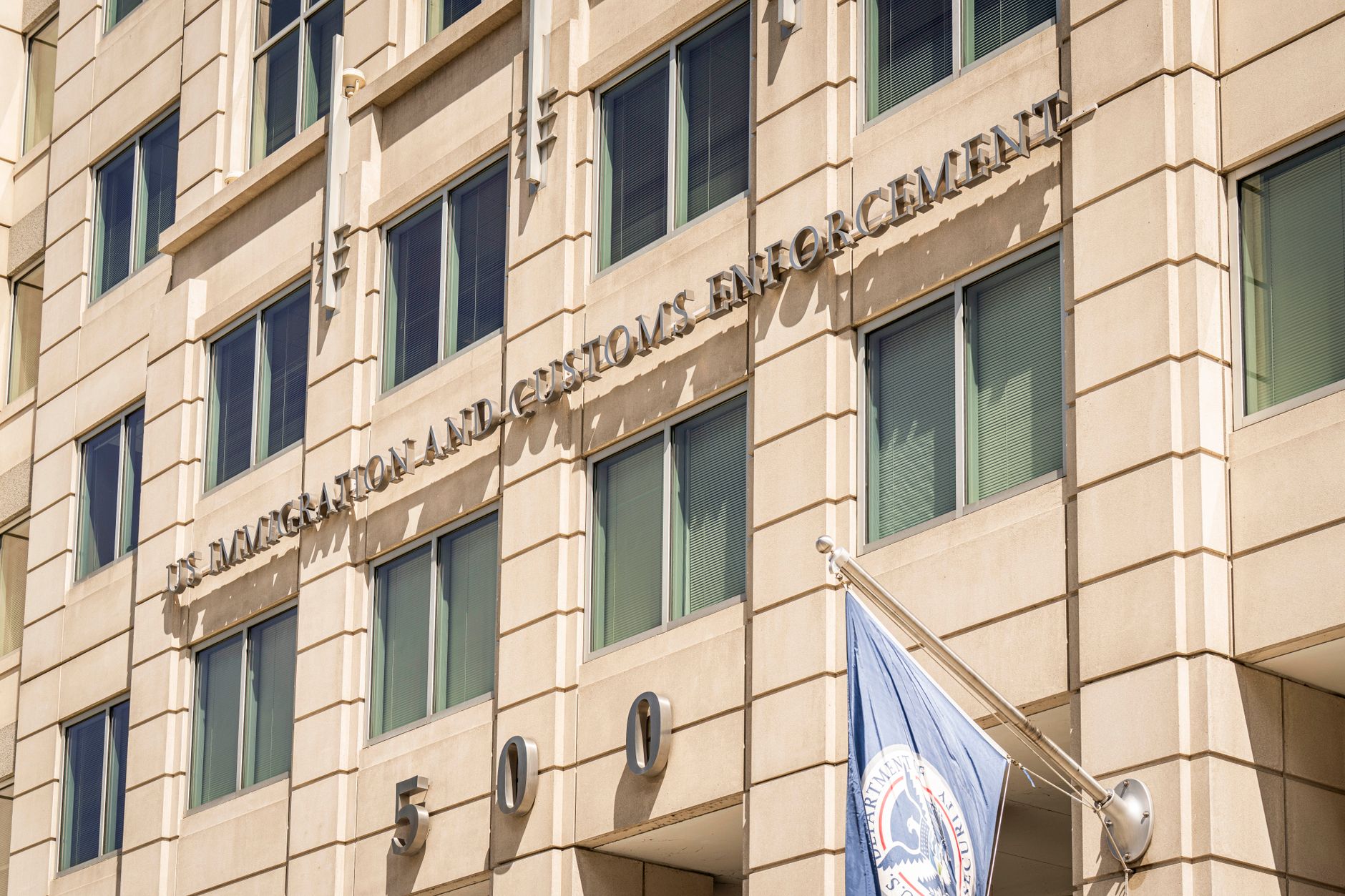
What the Lawsuit Alleges
Feler’s complaint, filed in federal court, claims that agents arrived at his residence and carried out an enforcement action that he and his attorneys argue violated his constitutional rights, including protections against unreasonable search and seizure under the Fourth Amendment. The lawsuit points to home security video as central evidence, arguing the recording contradicts the government’s justification for the operation.
Attorneys representing Feler say the case is meant to hold federal authorities accountable for tactics they describe as aggressive and improperly targeted, even though Feler was not the intended subject of any criminal investigation. The suit seeks damages and, according to the reporting, aims to establish clearer limits on how such operations are conducted in residential settings.
A Wider Pattern in Chicago
The Lakeview incident is one of a growing number of encounters between federal immigration agents and Chicago residents that have drawn public attention over the past year, as enforcement activity has intensified across the city and its suburbs. Doorbell and security camera footage has increasingly become a flashpoint in these disputes, giving residents documentary evidence to challenge official accounts of raids and stops.
City officials and community advocates have repeatedly raised concerns about the scope and conduct of enforcement operations in Chicago neighborhoods, arguing that some actions have swept up bystanders, misidentified addresses, or relied on outdated information. Federal officials have generally defended the operations as lawful and necessary for public safety, though they have not always addressed specific incidents in detail.
Camera footage from the raid is expected to play a central role as the case moves through the courts, with both sides likely to dispute what the recording shows about the agents’ conduct and authority to enter the property.
Legal Questions Ahead
Legal experts note that lawsuits challenging federal immigration enforcement tactics face a high bar, given broad legal protections often afforded to agents acting in their official capacity. Plaintiffs typically must show that agents violated clearly established rights and acted outside the scope of reasonable law enforcement conduct.
Still, cases built around video evidence have had more traction in recent years, as courts weigh recorded footage against agency reports and sworn statements. If Feler’s case proceeds, it could set precedent for how much weight home security recordings carry in disputes over the legality of federal home entries.
The Department of Homeland Security has not issued a detailed public response to the specific claims in Feler’s lawsuit. Federal attorneys are expected to file a formal response in the coming weeks outlining the government’s position on the raid and the legal basis cited for the agents’ actions.
Community Reaction
Neighbors and local advocacy groups in Lakeview have voiced support for Feler, with some saying the case reflects broader anxiety among residents about the visibility and frequency of enforcement actions in residential areas. Community meetings and legal aid clinics addressing immigration enforcement have grown more common in Chicago as similar incidents have been reported in other neighborhoods.
Feler’s attorneys say they hope the lawsuit encourages greater transparency from federal agencies about how enforcement targets are identified and vetted before agents are dispatched to a residence. They argue that publicly available video evidence, increasingly common given the prevalence of home security systems, will make it harder for such disputes to be resolved solely on the government’s account of events.
The case is in its early stages, and no trial date has been set. As it proceeds, it is likely to be closely watched both by civil liberties organizations and by federal law enforcement agencies navigating the legal and public scrutiny surrounding immigration enforcement operations in major U.S. cities.