A federal judge has ruled that New York state cannot enforce a law banning federal law enforcement officers, including U.S. Immigration and Customs Enforcement agents, from wearing face coverings while carrying out their duties. The decision, reported by The Associated Press, deals a blow to state lawmakers who passed the measure after masked ICE agents drew widespread criticism during immigration arrests earlier this year.
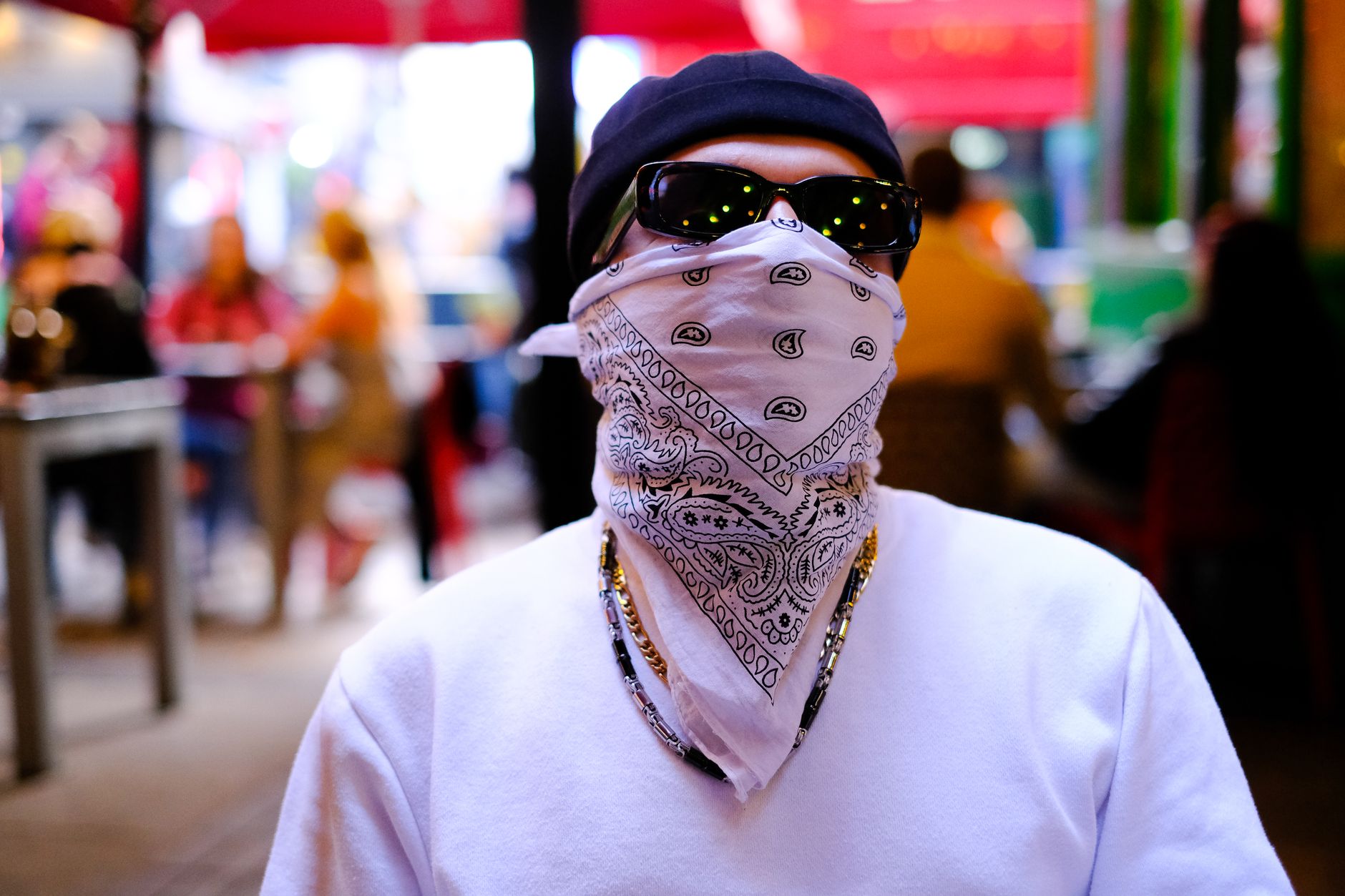
The law, approved by New York legislators, sought to require federal agents operating in the state to show their faces and display identification during enforcement actions. Supporters argued the measure was necessary for public accountability, saying masked agents made it difficult for New Yorkers to distinguish legitimate law enforcement from impersonators and eroded public trust in policing.
Why the Judge Sided With the Federal Government
According to The Associated Press, the court found that the state law improperly intruded on the federal government’s authority to determine how its own personnel carry out federally authorized duties. The ruling leans on a long-standing legal doctrine known as intergovernmental immunity, which generally bars states from regulating the conduct of federal employees performing federal functions.
Attorneys for the Trump administration had argued that face coverings serve legitimate safety purposes for agents, who they say have faced increased threats, doxxing and harassment while conducting immigration operations in New York and other cities. They contended that a state cannot dictate operational protocols to federal officers without running afoul of the Constitution’s Supremacy Clause.
New York’s Response
New York officials, including state lawmakers who championed the bill, have defended the law as a public safety and transparency measure rather than an attempt to obstruct federal immigration enforcement. They pointed to numerous incidents in which masked, plainclothes agents made arrests in public spaces, prompting confusion among bystanders and, in some cases, community members it was uncertain if the encounter was a legitimate law enforcement action or something else entirely.
The debate intensified after several high-profile incidents this year in which ICE agents wearing masks and unmarked clothing detained individuals in New York City neighborhoods, sparking protests and calls from City Council members and Governor Kathy Hochul’s allies for greater transparency from federal immigration authorities. Critics of the practice argued that concealing agents’ identities makes it harder to hold officers accountable for misconduct.
New York’s law was among the most aggressive state-level attempts to regulate how federal agents present themselves during enforcement operations, setting up a direct legal clash between state authority and federal supremacy.
Part of a Broader National Fight
New York is not alone in pushing back against masked federal agents. Other states and cities, including California and Massachusetts, have floated or passed similar measures amid a broader surge in immigration enforcement activity under the Trump administration. The administration has significantly expanded ICE operations in Democratic-led cities this year, often drawing sharp criticism from local officials over tactics used during arrests.
The ruling is likely to be cited by the federal government in similar disputes elsewhere, reinforcing the argument that states lack the power to impose operational restrictions, such as face-covering bans, on federal law enforcement personnel. Legal experts say the case underscores the tension between states’ interest in local policing accountability and the federal government’s broad authority over immigration enforcement, an area of law long recognized as primarily a federal responsibility.
What Happens Next
New York officials have not said whether they will appeal the ruling. If they do, the case would head to the U.S. Court of Appeals, where similar disputes over the limits of state authority to regulate federal agents could eventually be resolved on a broader scale, potentially setting precedent for other states considering similar legislation.
In the meantime, ICE and other federal agents operating in New York will be permitted to continue wearing face coverings during enforcement actions, a practice the agency has defended as necessary for officer safety amid what it describes as rising threats against personnel. Advocacy groups and some elected officials, meanwhile, say they will continue pressing for other forms of oversight, including body cameras and identification requirements, that might survive legal challenges the mask ban could not.
The dispute reflects a broader pattern this year of legal fights over protest rights and law enforcement transparency, including concerns raised after arrests at demonstrations elsewhere in the country. NarwhalTV has previously reported on related free speech concerns tied to protest arrests, part of a wider national conversation about the balance between security operations and public accountability.