A growing number of restaurants, pubs and theatres across the United Kingdom are banning Meta’s Ray-Ban smart glasses from their premises, citing concerns that the camera-equipped eyewear allows patrons and staff to be secretly filmed or photographed without consent. The bans, first reported by The Guardian, mark one of the most visible pushbacks yet against the wearable AI devices since Meta began mass-marketing them.
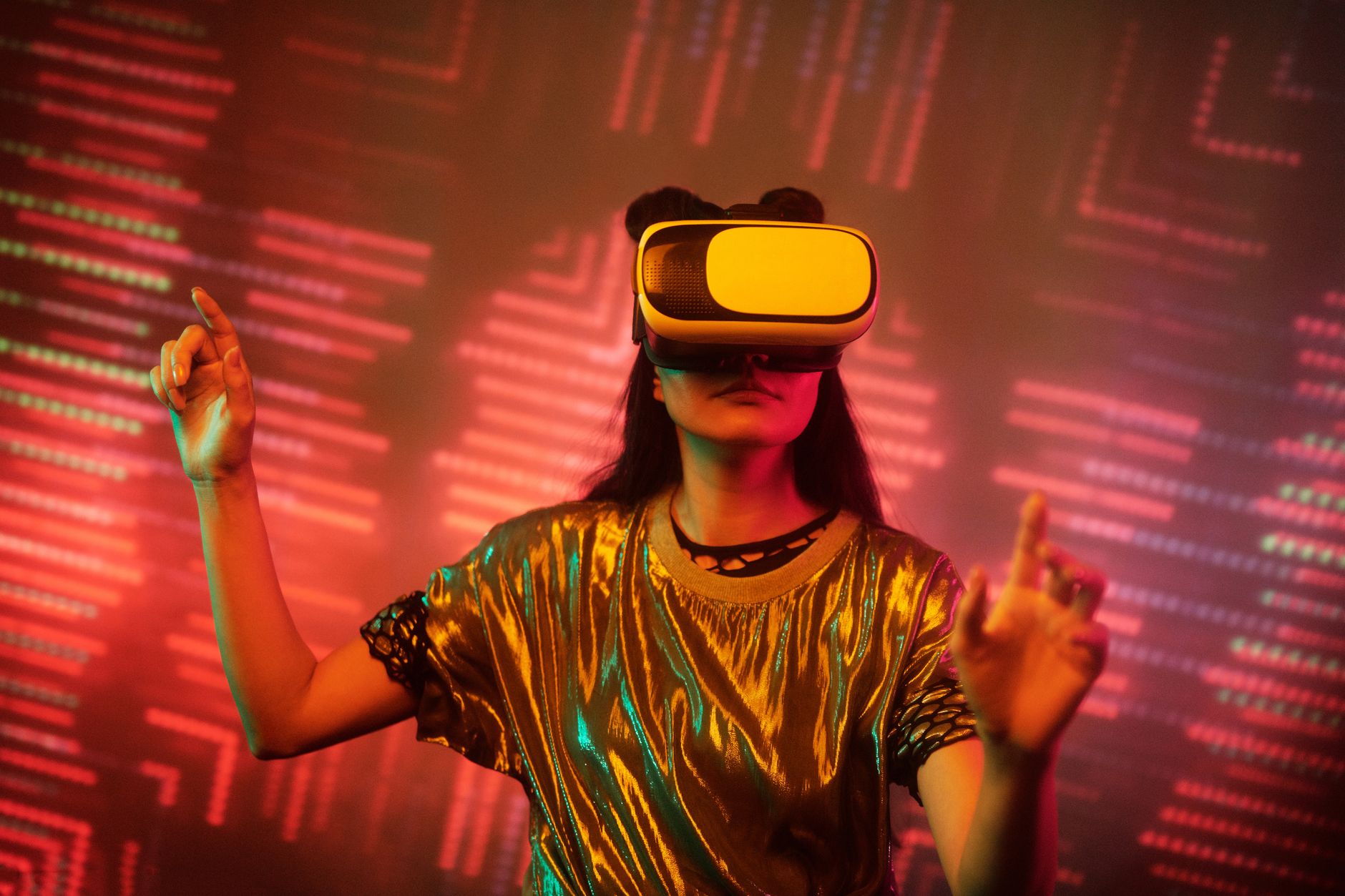
Venue owners say the glasses, which look nearly identical to standard Ray-Ban sunglasses but contain a built-in camera and microphone, make it difficult for other people in a room to know when they are being recorded. Several hospitality and entertainment businesses have now added the devices to existing no-recording policies typically reserved for smartphones and camcorders.
Why Venues Are Pushing Back
Meta’s smart glasses let wearers capture photos and video, livestream to social media, and query an AI assistant, all through voice commands or a small button on the frame. The company has marketed the product as a hands-free way to document everyday life, and it has sold briskly since its wider rollout began.
But the design has drawn criticism because the only outward sign that recording is underway is a small LED light near the camera lens. Privacy advocates and now venue operators argue that light is easy to miss in dim lighting, easy to obscure with a finger or piece of tape, and unfamiliar to most bystanders, who have no reason to associate it with active recording.
Theatre operators in particular have cited concerns about unauthorized recording of live performances, which can violate copyright agreements with playwrights and production companies. Restaurant and pub owners point to more personal worries: diners photographed without consent, private conversations picked up by onboard microphones, and staff feeling surveilled while working.
Industry groups say the bans reflect a broader unease with wearable cameras that blend into ordinary eyewear, making consent nearly impossible to obtain in shared public spaces.
How the Bans Are Being Enforced
Enforcement varies by venue. Some establishments have posted signage at entrances alongside existing no-photography or no-recording notices, asking guests to remove or store the glasses before being seated. Others have instructed staff to politely ask patrons wearing the devices to take them off, similar to existing policies around vaping or outside food.
Because the glasses are visually indistinguishable from ordinary sunglasses at a glance, enforcement largely depends on customers voluntarily disclosing that they are wearing a smart version, or staff recognizing the distinctive Meta branding on the frame’s temple. That has led some critics to question how consistently the bans can actually be applied in practice.
Meta’s Response
Meta has said its smart glasses were built with privacy protections in mind, including the visible recording indicator and a requirement that users explicitly activate recording rather than have it run continuously in the background. The company has previously stated it takes misuse of the devices seriously and can suspend accounts found to violate its policies, such as disabling the capture indicator.
Critics, however, argue that policy enforcement after the fact does little to protect people in the moment a photo or video is taken without their knowledge. Similar concerns have shadowed other AI-connected hardware and surveillance tools in recent months, including scrutiny of automated camera networks; one former employee at the license-plate reading company Flock Safety recently resigned and accused the company of silencing internal activists raising similar privacy alarms about pervasive monitoring technology.
A Wider Pattern
The UK bans follow similar friction in other countries since Meta’s smart glasses became widely available. Bars, gyms, and casinos in parts of the United States have imposed comparable restrictions, often grouping the glasses with other prohibited recording devices. Some jurisdictions have also fielded complaints from individuals who say they were unknowingly filmed and later found the footage posted online.
The pushback comes as wearable AI devices from multiple manufacturers are becoming more common, raising broader questions about how public spaces will define acceptable recording in an era when cameras are no longer confined to phones held up in the open. Legal experts note that most countries, including the UK, do not have clear-cut laws specifically addressing discreet wearable cameras, leaving venues to write their own rules in the absence of formal regulation.
What Comes Next
Hospitality trade groups say more venues are likely to adopt similar policies as awareness of the technology spreads, particularly in settings where confidentiality matters, such as private dining rooms, therapy-adjacent businesses, and legal or medical waiting areas. Whether such bans meaningfully curb covert recording, or simply push it further underground, remains an open question as the devices grow more common and harder to distinguish from ordinary eyewear.
For now, businesses say they would rather err on the side of caution. As one hospitality operator quoted by The Guardian put it, guests should be able to enjoy a meal or a show without wondering whether the stranger at the next table is filming them.