The Pentagon is reportedly weighing a substantial reduction of US troops and military assets stationed across the Gulf, according to a report from The Times of Israel, as officials reassess the risks of maintaining a large, concentrated American footprint in the region following last year’s war with Iran.
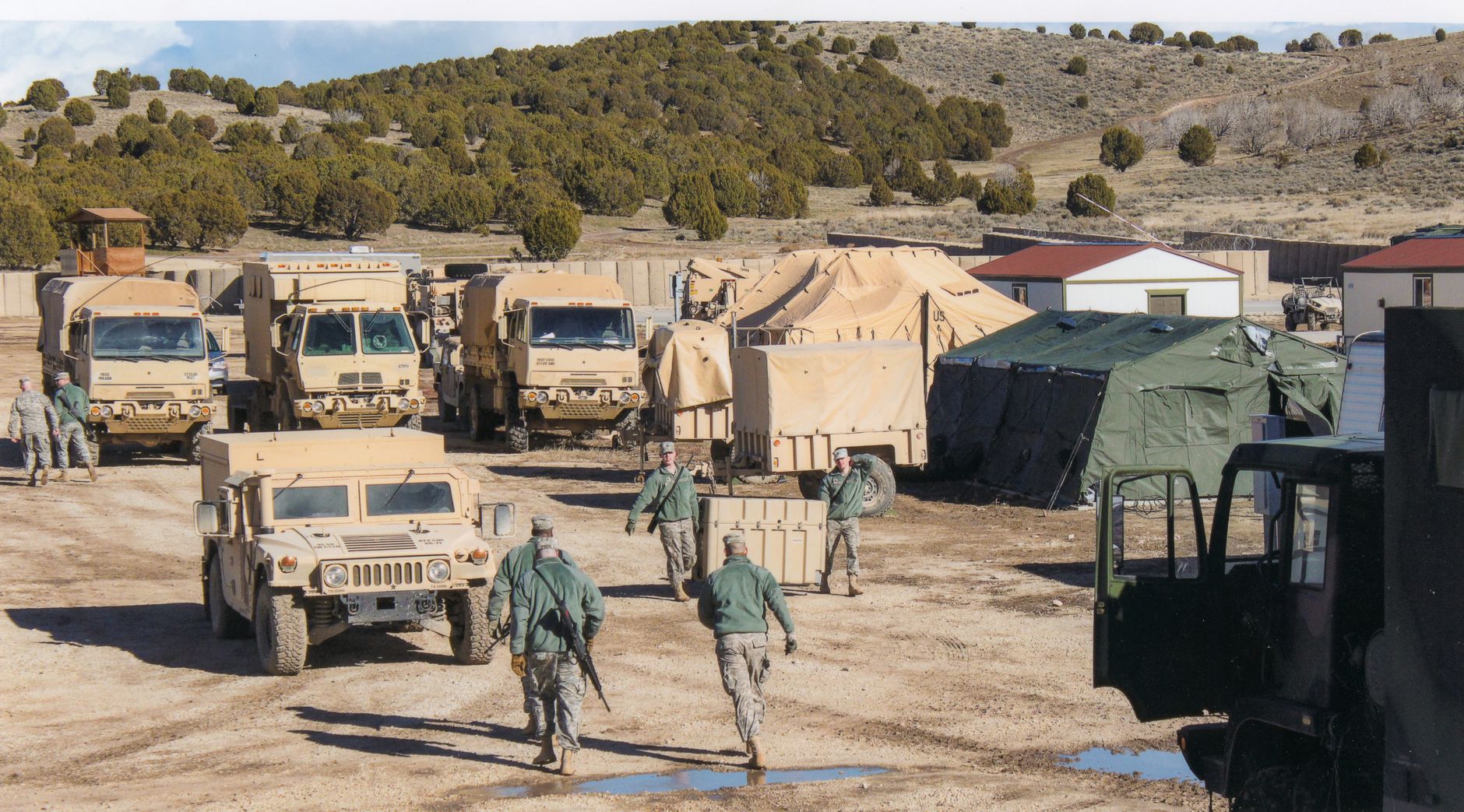
The internal review, described by people familiar with the discussions, comes more than a year after Iranian forces struck the sprawling Al Udeid Air Base in Qatar in June 2025, in retaliation for US strikes on Iranian nuclear facilities during the 12-day conflict between Israel and Iran. While the strike caused limited casualties, it exposed the vulnerability of fixed US installations within range of Iranian missiles, a fact defense planners have reportedly been grappling with ever since.
What the Review Reportedly Covers
According to the report, discussions inside the Pentagon and US Central Command have centered on scaling back the number of troops permanently based at facilities in Qatar, Bahrain, Kuwait, and the United Arab Emirates, while potentially shifting toward a more rotational, less predictable presence. The Gulf has hosted tens of thousands of US personnel for decades, anchored by Al Udeid, the US Navy’s Fifth Fleet headquarters in Bahrain, and logistics hubs across Kuwait and the UAE.
Officials cited in the report say the goal is not a full withdrawal but a restructuring meant to reduce the exposure of large, easily targeted bases while preserving the ability to surge forces back into the region if needed. That approach mirrors a broader Pentagon doctrine shift over the past several years toward dispersed, harder-to-hit force postures in contested theaters.
Fallout From the Iran War
The review is described as a direct consequence of the war’s aftermath. The June 2025 conflict began when Israel launched strikes on Iranian nuclear and military sites, prompting US strikes on facilities including Fordow, Natanz, and Isfahan. Iran responded with a missile barrage against Al Udeid, and a ceasefire was reached shortly after. The episode marked one of the most direct confrontations between US and Iranian forces in decades, and it reportedly rattled planners who had long treated Gulf bases as relatively secure rear-area assets.
Tensions from that period have lingered. Iran’s leadership has continued to signal that its missile and drone capabilities remain intact despite the damage to its nuclear program, and US officials have said they expect Tehran to keep rebuilding both its military and its regional proxy networks. That uncertainty is part of what is reportedly driving the current reassessment, alongside broader questions about troop safety raised during the same period, including a separate report that Iran had tracked a hotel used by President Trump in Turkey, underscoring how far Iranian intelligence and targeting efforts extended during the conflict.
Budget and Strategic Pressures
Cost is also reportedly a factor. Maintaining large, fixed installations across the Gulf is expensive, and Pentagon budget planners have faced pressure to free up resources for other priorities, including the Indo-Pacific, where concerns about China’s military buildup have dominated strategic planning for years. Some officials cited in the report argue that a smaller, more flexible Gulf presence would allow the US to redirect funding and personnel without abandoning the region entirely.
Congressional and defense analysts have long debated whether the US footprint in the Middle East, built up over decades since the Gulf War and the post-9/11 wars, remains proportionate to current threats. Supporters of a drawdown argue that advances in long-range strike capability, satellite surveillance, and rapid deployment reduce the need for permanent troop concentrations. Critics counter that a reduced presence could embolden Iran and unsettle Gulf partners who have built their own security planning around the assumption of a reliable American backstop.
Regional Reaction
Gulf governments, particularly Qatar and Bahrain, have invested heavily in hosting US forces, viewing the arrangement as central to their own deterrence against Iran. Any significant pullback would likely prompt concern in Doha, Manama, Abu Dhabi, and Riyadh about whether Washington remains committed to the region’s security architecture, especially after the shock of watching Iranian missiles reach a major US base directly.
Officials familiar with the talks stressed that no final decisions have been made and that any changes would likely be implemented gradually rather than as an abrupt withdrawal.
The report notes that the discussions remain in early stages, and it is unclear how much support the proposals have from senior Pentagon leadership or the White House. Any formal drawdown would likely require consultation with Gulf partners, many of whom have quietly pressed Washington for reassurances since the 2025 conflict rather than signals of retreat.
What Comes Next
For now, the review appears to be an internal planning exercise rather than an announced policy shift. But the fact that it is happening at all reflects how deeply the 2025 war reshaped US thinking about troop vulnerability in the Gulf. Whether the outcome is a modest restructuring or a more sweeping reduction, the process is likely to be watched closely by Iran, Israel, and Gulf capitals alike as a signal of how committed Washington remains to its long-standing military footprint in the region.
Defense officials have not publicly confirmed a timeline for when any decisions might be finalized, and the Pentagon has not issued an official statement addressing the specifics of the report.