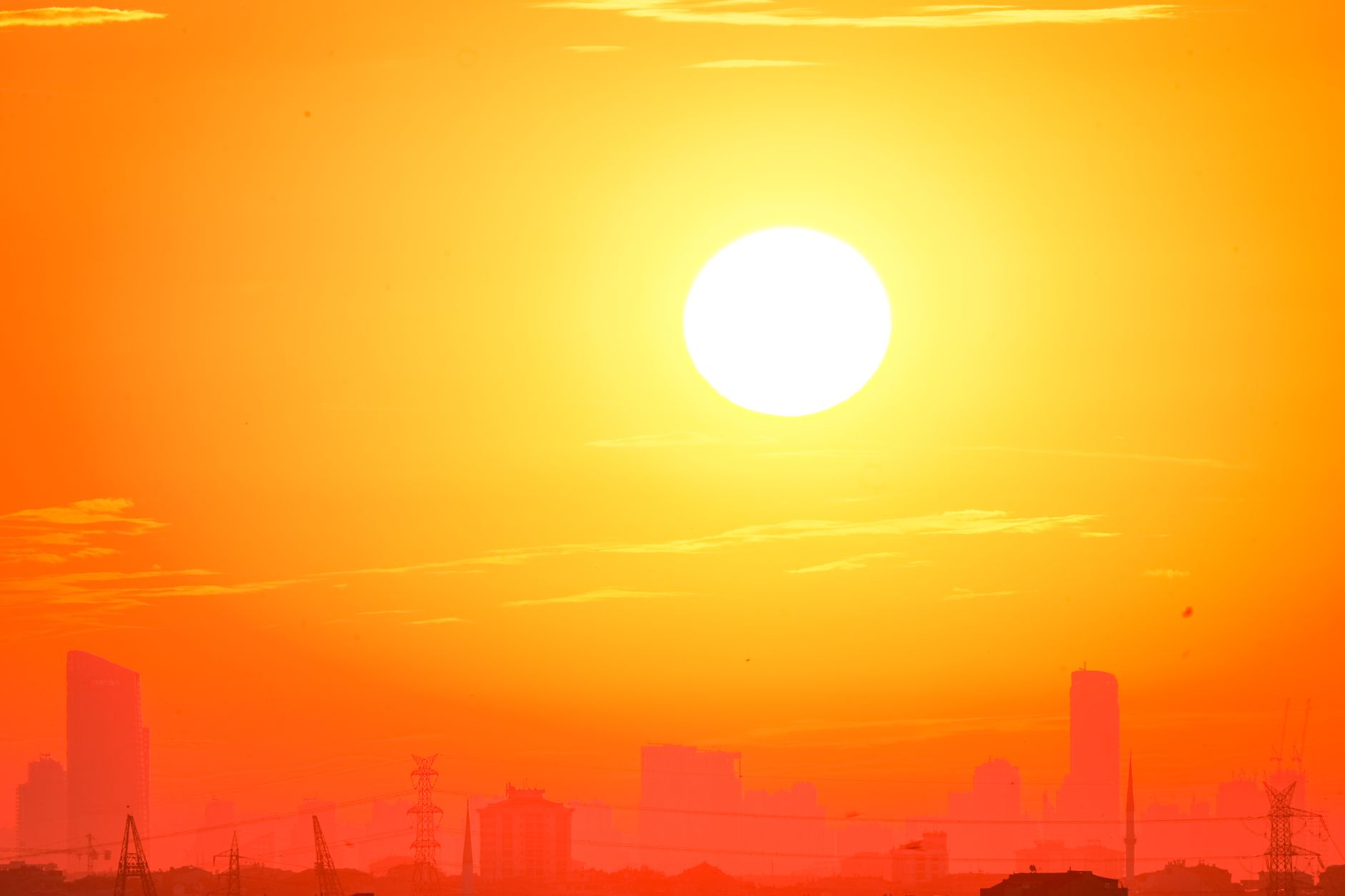
The contiguous United States has just recorded its hottest summer since the National Oceanic and Atmospheric Administration began keeping national climate records in 1895, surpassing the previous benchmark set during the Dust Bowl summer of 1936. NOAA’s National Centers for Environmental Information (NCEI) released the data this week, confirming that the June-through-August period of 2026 edged out nine decades of prior heat records.
How the Numbers Compare
According to NCEI’s monthly climate summary, the average temperature across the Lower 48 states for summer 2026 came in slightly above the mark set during the historic drought years of the mid-1930s, when poor land management combined with severe heat and dust storms to devastate the Great Plains. Unlike the Dust Bowl, however, this year’s record heat was not tied to a single dramatic agricultural collapse but rather to a sustained pattern of above-normal temperatures stretching from the Pacific Northwest to the Gulf Coast.
NOAA scientists noted that while 1936 saw extreme spikes concentrated in the central Plains, the 2026 record was driven by more widespread warmth. Nearly every climate region tracked by NCEI reported summer temperatures in the top five warmest on record, with several states — including Texas, Arizona, and Florida — posting their single hottest summer ever measured.
What Drove the Heat
Meteorologists attribute the record to a combination of factors: a series of persistent high-pressure heat domes that parked over large portions of the country for weeks at a time, unusually warm ocean temperatures feeding humidity into heat waves, and the broader backdrop of long-term human-caused warming. The finding follows closely on the heels of another troubling milestone — the world’s oceans hitting their hottest recorded temperature just last month, a factor scientists say likely amplified atmospheric heat and moisture across coastal regions.
“We’re seeing the fingerprints of a warming climate system stacked on top of natural weather variability,” NOAA climatologists said in the agency’s summary release. “Heat domes that once might have lasted days are now lingering for weeks, and that has real consequences for public health, agriculture, and infrastructure.”
Impacts on the Ground
The extreme heat translated into tangible strain across multiple sectors this summer:
- Public health: Emergency rooms in several major cities reported spikes in heat-related illness, with vulnerable populations — including older adults and outdoor workers — most affected.
- Agriculture: Farmers in the Midwest and South reported stressed crops and higher irrigation demands, echoing some of the agricultural strain seen during the 1930s, though modern irrigation and drought-resistant crop varieties have prevented the scale of collapse seen during the Dust Bowl.
- Energy grids: Utilities in Texas, California, and the Southeast issued multiple conservation appeals as air-conditioning demand pushed electricity usage to seasonal highs.
- Wildfires: Dry conditions combined with the heat contributed to an active fire season in parts of the West, straining firefighting resources already stretched thin.
A Historical Echo, With Modern Differences
Climate historians caution against drawing too direct a comparison between 2026 and the Dust Bowl era. The 1930s heat was compounded by poor soil conservation practices that turned vast stretches of farmland into airborne dust, displacing hundreds of thousands of families in what became one of the defining ecological disasters of the 20th century. Today’s heat record, by contrast, is unfolding against a backdrop of improved land management and agricultural technology — but also against a steadily warming baseline climate that scientists say makes such extremes more frequent and more intense over time.
NOAA’s data shows that eight of the ten hottest US summers on record have now occurred since 2000, a trend consistent with global warming patterns documented by federal and international climate agencies. The agency’s scientists emphasized that while any single season can be influenced by short-term weather patterns, the broader trajectory over the past several decades points toward more frequent record-breaking heat events.
What Comes Next
NOAA is expected to release its full autumn outlook in the coming weeks, which will indicate whether the unusually warm pattern is likely to persist into fall. In the meantime, researchers say the summer 2026 record adds urgency to ongoing conversations about heat preparedness, from updated building codes to expanded cooling-center access in cities that have historically not needed them.
For now, the record stands as a stark marker: nine decades after the Dust Bowl reshaped American agriculture and migration patterns, the country has once again logged a summer for the history books — this time driven not by dust storms, but by a steadily warming atmosphere.