Organizers of the 2032 Brisbane Olympics have confirmed that a Queensland river estimated to be home to roughly 500 crocodiles will host rowing and canoe sprint competitions. The announcement, made this week by the Games’ venue planning committee, has drawn attention to how officials intend to keep athletes safe on a waterway shared with one of Australia’s most formidable predators.
A Venue Chosen for Its Course, Not Its Wildlife
According to organizing officials, the river was selected primarily for its length, width and straight-line flow, which meet the technical requirements for Olympic rowing and canoe sprint racing. The waterway sits within the broader Brisbane 2032 venue footprint, which spans multiple sites across South East Queensland rather than concentrating events solely within the city center.
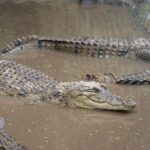
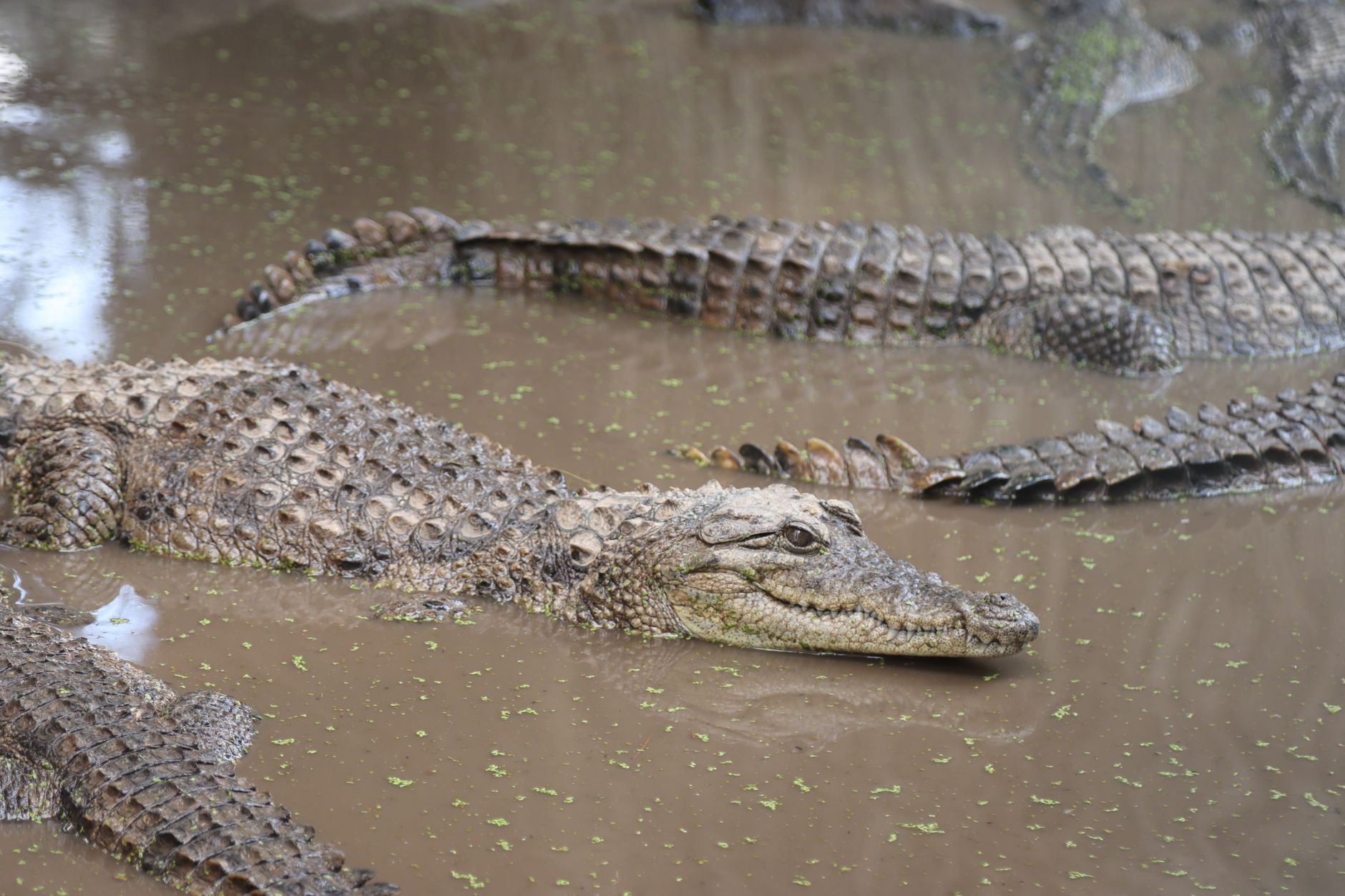
Wildlife surveys conducted as part of the environmental review process estimated the river’s saltwater crocodile population at approximately 500 individuals, a figure organizers say is consistent with historical population data for the region. Queensland’s rivers, particularly those with tidal or brackish sections, have long supported crocodile populations, and wildlife authorities routinely monitor numbers as part of ongoing conservation and public safety programs.
Safety Measures Under Development
Games officials say a multi-layered management plan is being developed in coordination with Queensland’s Department of Environment and Science. Measures under consideration include:
- Temporary exclusion netting along competition lanes to prevent crocodiles from entering racing zones
- Increased aerial and boat-based monitoring in the weeks leading up to events
- Relocation of crocodiles identified near venue infrastructure during pre-Games surveys
- On-site wildlife response teams stationed during training and competition periods
Officials emphasized that similar mitigation strategies have been used successfully at other Australian sporting and community events held near crocodile habitats, though the scale of an Olympic Games introduces logistical challenges not previously tested at this level.
Athlete and Federation Reaction
Reaction from athletes and international federations has been mixed. Some competitors expressed confidence in the safety measures being proposed, while others called for more detailed contingency planning before committing to training schedules on the river.
“We race in open water all over the world, but this is a different kind of risk profile,” one national rowing federation representative said. “We want to see the netting and monitoring systems tested well ahead of competition, not finalized at the last minute.”
Canoe sprint athletes, who typically train closer to shorelines and shallower sections of a course, voiced similar concerns about proximity to riverbanks where crocodiles are more frequently sighted. International federation officials have requested a formal risk assessment be shared with participating national teams ahead of qualification events.
Environmental and Community Concerns
Environmental groups have raised questions about the ecological impact of temporary netting, dredging or other infrastructure work on the river’s ecosystem. Crocodiles are a protected species in Queensland, and any relocation efforts must comply with existing wildlife protection regulations.
Local residents near the proposed venue have voiced a mix of excitement and apprehension. Community meetings held in recent weeks have focused on how construction and increased foot traffic during the Games might affect both public safety and the river’s natural habitat.
Queensland tourism officials, meanwhile, have noted that the region’s crocodile population is already a feature of local eco-tourism, with guided river tours operating safely for years using established protocols. Organizers say those existing frameworks will inform the safety plan for Olympic events.
What Comes Next
The venue announcement is part of a broader wave of infrastructure and safety planning ahead of the 2032 Games, following earlier decisions on transportation corridors, athlete housing and security protocols. A detailed environmental and safety report is expected to be released for public review in the coming months, giving international federations, athletes and local communities a chance to weigh in before construction begins.
Olympic organizers have faced unconventional venue challenges before, from extreme heat concerns to water quality issues at open-water events in past Games. How Brisbane 2032 manages a densely populated crocodile habitat alongside elite competition will likely serve as a case study for future host cities considering similar natural waterways.
For now, officials say the river remains the confirmed site for rowing and canoe sprint events, with additional details on safety infrastructure expected to be finalized well ahead of the 2032 opening ceremony.