Canada’s exports to China climbed roughly 30% in the first half of 2026 compared with the same period a year earlier, according to trade figures cited by Canadian officials and industry groups, as Ottawa pushes to reduce its economic reliance on the United States amid an escalating tariff dispute with Washington.
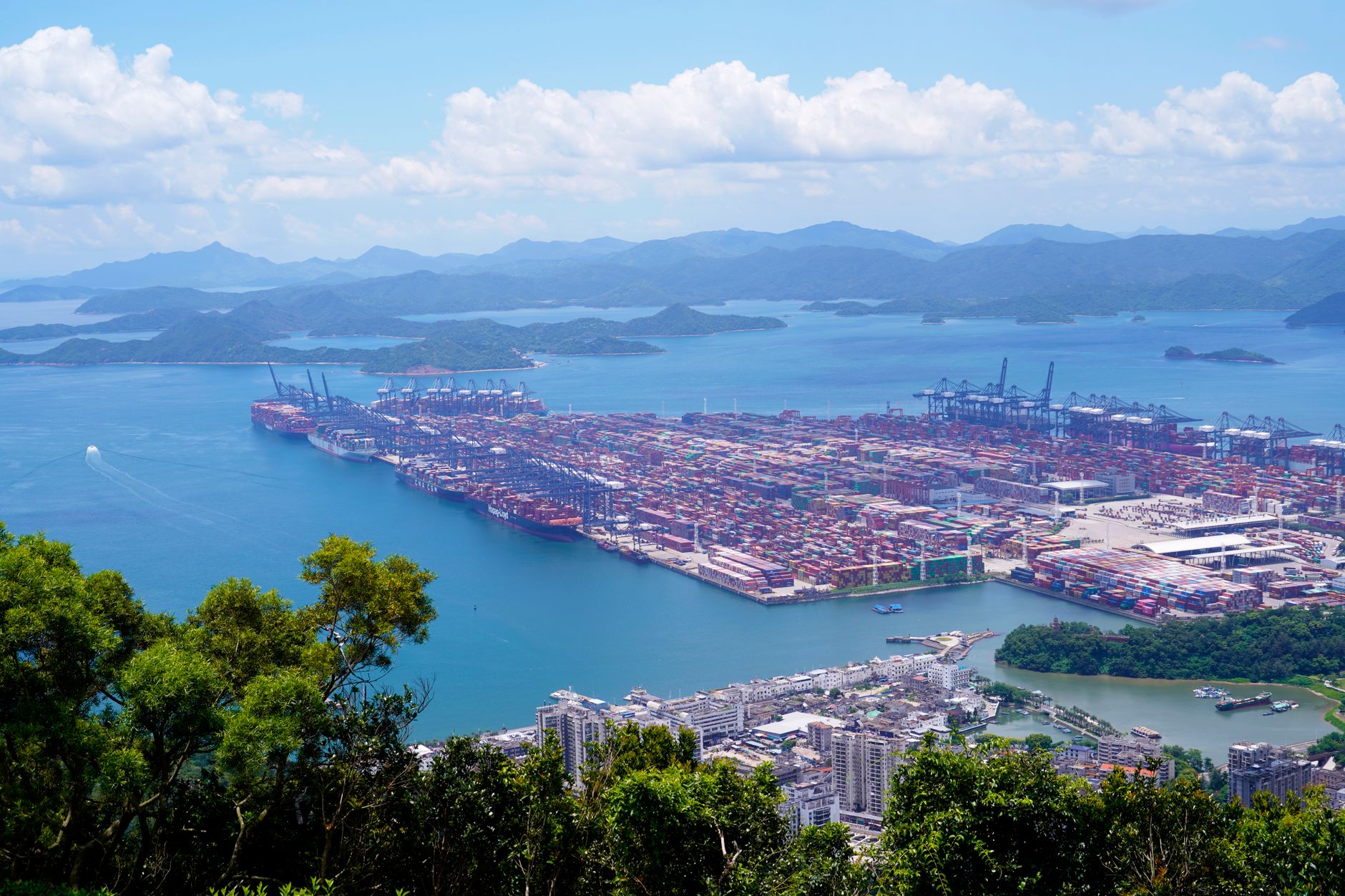
The increase spans agricultural products, energy commodities, minerals, and forestry goods, sectors that have borne the brunt of tariffs imposed by the Trump administration over the past year. Canadian exporters and provincial trade offices say Chinese buyers have stepped up purchases as Canadian firms actively seek alternatives to the US market.
A Deliberate Pivot
The shift is not accidental. Since renewed US tariffs hit Canadian steel, aluminum, autos, and agricultural products earlier in 2026, Prime Minister Mark Carney’s government has signaled a broader strategy of trade diversification, seeking closer economic ties with Europe and Asia rather than depending on a single trading partner.
That strategy has already produced headlines beyond China. Carney has reportedly explored associate membership with the European Union as part of a wider effort to hedge against US trade volatility. Analysts say the China export numbers fit the same pattern: Ottawa spreading its economic bets rather than absorbing tariff losses passively.
“Exporters go where the demand is,” said one Canadian trade economist. “When one market becomes unpredictable, businesses look elsewhere, and China has been willing to buy.”
What’s Driving the Numbers
Several sectors account for the bulk of the increase:
- Canola and agricultural products: Chinese demand for canola oil, seed, and other agricultural commodities has risen as Beijing diversifies its own supply chains.
- Critical minerals and metals: Chinese manufacturers have increased purchases of Canadian nickel, copper, and other inputs tied to battery and electronics production.
- Energy products: Liquefied natural gas and crude shipments from Canada’s west coast have found buyers in Chinese markets as export infrastructure has expanded in recent years.
- Forestry and pulp: Wood products exporters, long squeezed by US softwood lumber duties, have reported growing interest from Chinese construction and paper industries.
Provincial trade delegations, particularly from British Columbia and Saskatchewan, have made multiple trips to Chinese trade fairs in 2026 to court buyers directly, according to public itineraries released by provincial governments.
Political Backdrop
The export shift arrives against a backdrop of friction between Ottawa and Washington that has intensified since the Trump administration reimposed and expanded tariffs on Canadian goods earlier this year. Canadian officials have pushed back sharply against pressure from Washington on trade and sovereignty issues.
Former Prime Minister Jean Chrétien recently underscored that sentiment publicly, declaring that Canada “bows to no one” in its dealings with the United States, a remark widely read as reflecting broader frustration within Canadian political circles over the tariff dispute.
The Canadian government has not abandoned trade with the US, which remains by far its largest trading partner, accounting for the majority of Canadian exports even after the China increase. But the magnitude of the shift toward China, a market Ottawa had approached cautiously in recent years over human rights and security concerns, signals how significantly the tariff war has reshaped Canadian trade calculations.
Risks and Caveats
Trade analysts caution that the 30% figure reflects growth off a comparatively smaller base, since China accounts for a modest share of total Canadian exports relative to the US. They also note that reliance on Chinese demand carries its own risks, including exposure to Beijing’s economic slowdown, geopolitical tensions, and past instances where China has used trade access as diplomatic leverage, as it did during a prior period of strained relations with Ottawa.
Some business groups argue the export gains, while notable, are unlikely to offset losses in the US market given the sheer scale of cross-border trade between Canada and the United States, which has historically totaled hundreds of billions of dollars annually.
What Comes Next
Canadian officials say further trade missions to China and other Asia-Pacific markets are planned for the remainder of 2026, alongside continued talks with European counterparts. Whether the export surge to China proves durable, or whether it represents a temporary adjustment while the US-Canada tariff dispute plays out, remains to be seen.
For now, the figures offer Ottawa a data point to cite as it argues that Canada has options beyond its southern neighbor, even as officials continue to signal openness to resolving the underlying tariff dispute with Washington.