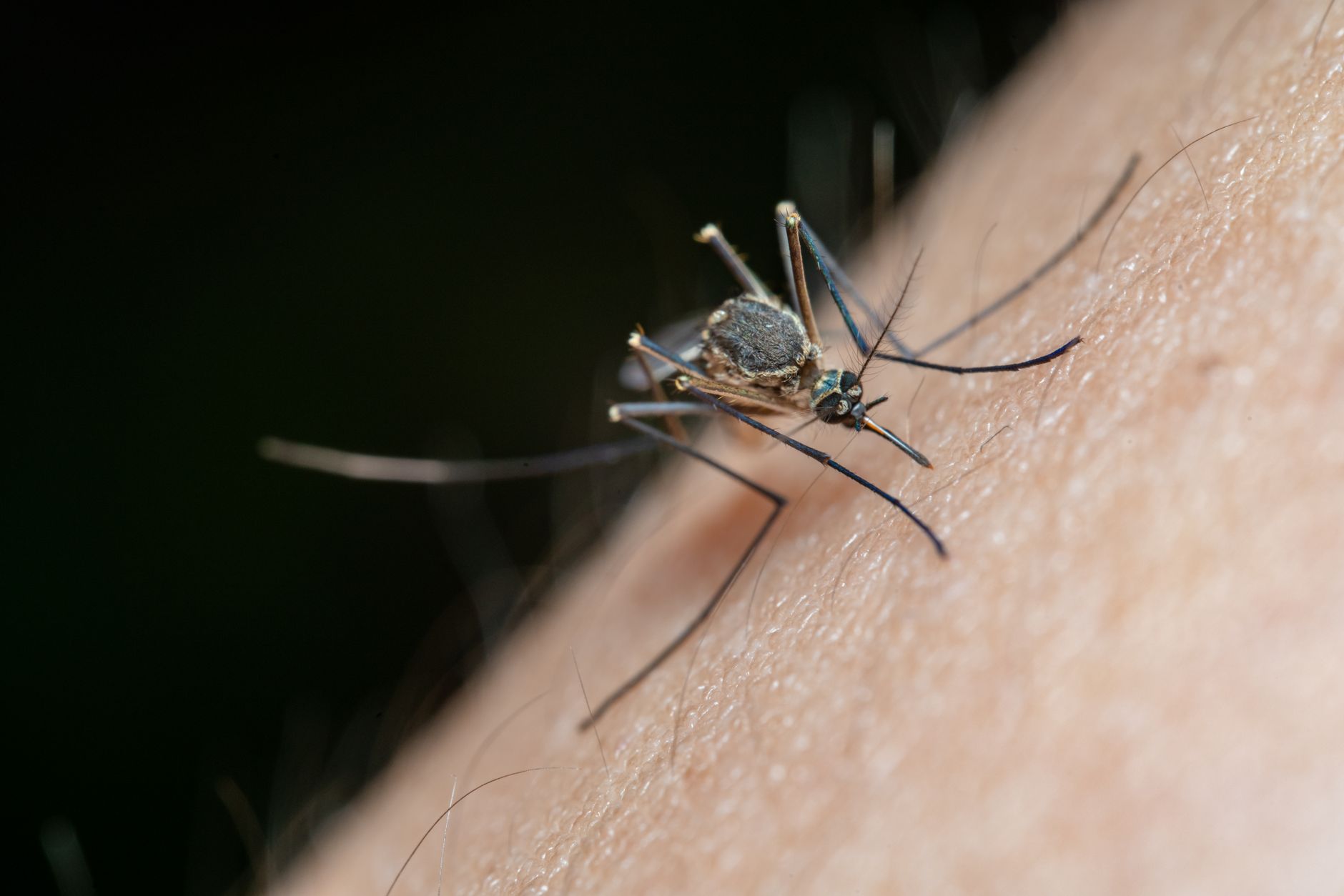
Three Tampa Bay counties are under local states of emergency as Florida faces its largest recorded dengue outbreak from home-grown infections. Pasco County declared its emergency on September 23, 2026, and Hillsborough and Pinellas counties followed on September 24, as health officials counted 190 cases of locally acquired dengue statewide, 179 of them in those three counties.
The declarations let county administrators speed up mosquito control spending and seek state or federal reimbursement. Hillsborough County, home to Tampa, accounts for 170 of the state’s 190 local cases this year.
Which counties declared emergencies, and when
The Pasco County Board of County Commissioners acted first, on September 23. A notice shared by the City of San Antonio, Florida, said: “The Local State of Emergency is in effect for 7 days or until rescinded by the County Administrator if it’s no longer needed.”
On September 24, Hillsborough County Administrator Bonnie Wise signed an executive order declaring a state of local emergency under the county’s Emergency Management Ordinance and Chapter 252 of the Florida Statutes. According to the Hillsborough County announcement, the order gives emergency managers authority to “quickly take certain actions to ensure the health, safety, and welfare of the community.” It runs for seven days unless rescinded or extended, and it also makes eligible expenses available for federal reimbursement.
The same day, the Pinellas County Board of County Commissioners declared its own emergency, giving County Administrator Barry Burton authority to approve mosquito control spending without delay. Pinellas has since extended its declaration through October 8. The county said seven of the Tampa Bay area’s 179 confirmed cases were in Pinellas, and that it was also seeing increased West Nile virus activity in its sentinel chicken flocks.
Dengue outbreak by the numbers
The most recent weekly figures come from the Florida Department of Health’s arbovirus surveillance report for Week 37, covering September 13-19. It states:
In 2026, 190 cases of locally acquired dengue and 17 mosquito pools have been reported from six counties.
Thirty-eight of those local cases were reported in that single week. The county breakdown in the report is:
- Hillsborough: 170
- Miami-Dade: 7
- Pinellas: 7
- Orange: 3
- Pasco: 2
- Palm Beach: 1
By date of illness onset, 21 local cases began in July, 139 in August and 30 so far in September. The September figure is likely to rise as reports catch up. Of the 171 local cases that have been typed by lab testing, 169 were the DENV-2 serotype and two were DENV-3, pointing to one dominant strain circulating in the Tampa area.
The scale is new for that part of the state. Hillsborough reported one local dengue case in 2025, and Florida’s statewide local total last year was 62. The 2026 count has already passed the recent high of 176 local cases set in 2023.
Local cases versus travel-associated cases
Florida separates dengue picked up from a mosquito bite inside the state from infections caught abroad. The Week 37 report lists 212 travel-associated cases in 2026, including 26 reported that week. Those travel-associated cases are concentrated in South Florida: Miami-Dade reported 126 of them, followed by Broward with 18. Hillsborough logged 12 travel cases.
A local case means mosquitoes in Florida are carrying the virus. The state also reported 17 mosquito pools that tested positive for dengue this year, another sign of active local transmission.
A death in Tampa and no vaccine
The dengue outbreak has already been fatal. The Florida Department of Health confirmed on September 19 that an 80-year-old Hillsborough County woman died on September 4 of dengue complications that included septic shock and multi-organ failure. Her family has said she was bitten near her home on Bayshore Boulevard in Tampa. Deaths from dengue are rare in the United States.
There is currently no dengue vaccine available in the United States; the CDC notes that production of Dengvaxia was discontinued in 2024.
How counties are fighting mosquitoes
Hillsborough has been running aerial treatments over neighborhoods including Palm River, East Lake and South Tampa, along with larvae treatments and a push to collect old tires, a common breeding site. Residents can sign up for alerts on where treatments are happening and reach Hillsborough County Mosquito Management Services at (813) 635-5400.
In Pinellas, county crews are going door to door near treatment areas to help residents find and treat breeding spots, but only with the resident’s approval. The county says staff wear Pinellas County uniforms and ID badges. Pasco residents can contact the Pasco County Mosquito Control District at 727-376-4568. The stepped-up mosquito control work follows a summer that was the hottest on record in the U.S., as NarwhalTV reported earlier.
Drain and Cover: official prevention advice
The Florida Department of Health’s main guidance is known as Drain and Cover. Its advice includes:
- Drain standing water. The department says to “Drain water from garbage cans, buckets, pool covers, coolers, toys, flowerpots, or any other containers where sprinkler or rainwater has collected.” It also advises removing discarded items and maintaining birdbaths weekly.
- Cover skin. Wear long sleeves and long pants outdoors when mosquitoes are active, and use an EPA-registered repellent such as DEET, picaridin, IR3535, oil of lemon eucalyptus, para-menthane-diol or 2-undecanone, following the label.
- Cover doors and windows. Repair damaged screens on windows, doors, porches and patios.
The CDC gives similar advice: use insect repellent, wear loose-fitting long-sleeved shirts and pants, and control mosquitoes in and around the home. It also advises people to “See a healthcare provider if you develop a fever or have symptoms of dengue.” Travelers returning from places where dengue is common should keep preventing mosquito bites for three weeks, according to the CDC.
Pinellas residents who suspect a mosquito-borne illness can contact the Florida Department of Health in Pinellas at (727) 824-6932, and Pasco residents can call the department’s Pasco office at 727-619-0300. For more on how climate patterns can affect health, NarwhalTV has also covered a study projecting El Niño-related deaths.