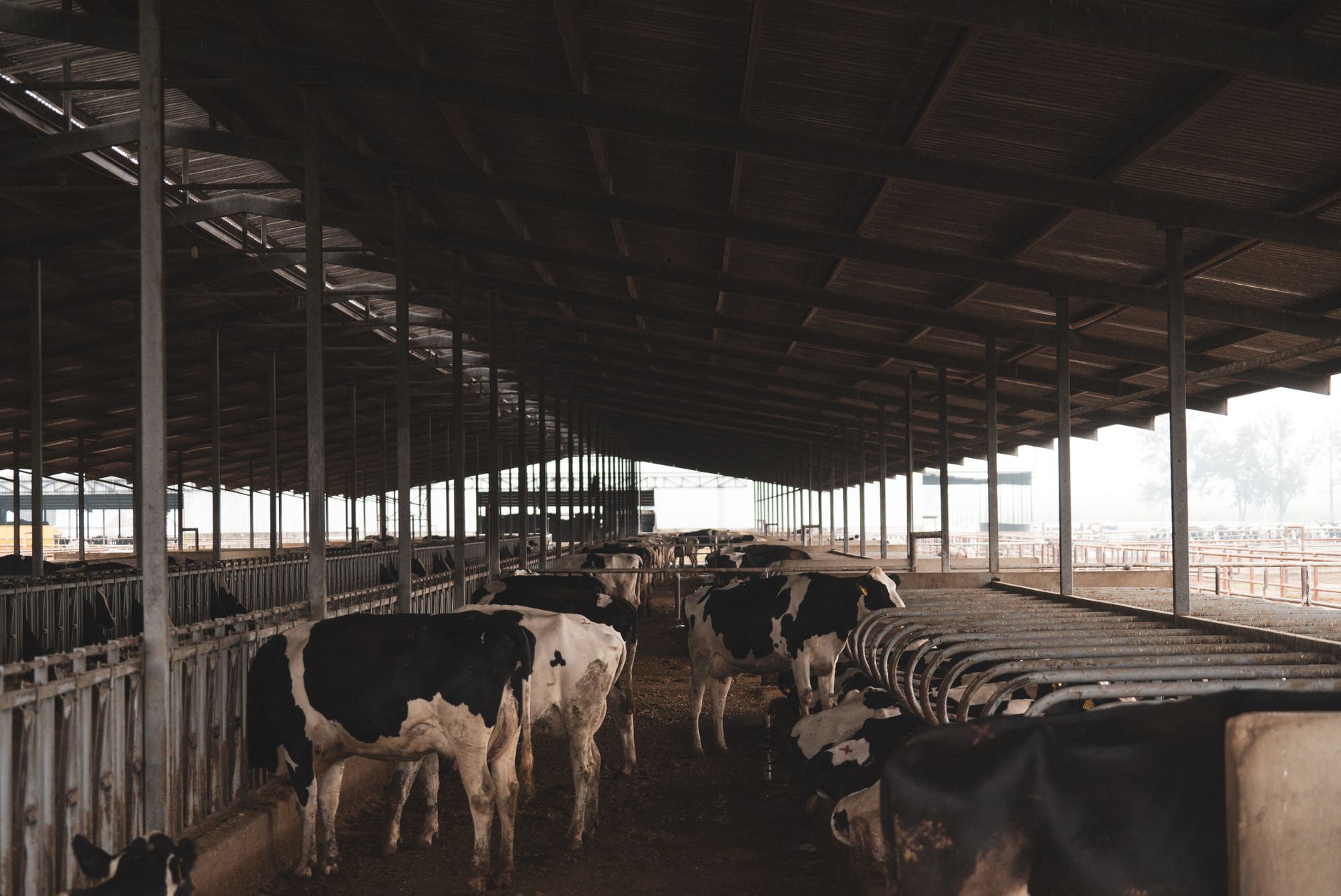
A bird flu outbreak is spreading through dairy cattle and poultry across the United States, with infections confirmed in herds in six states and flocks in 17 states during a recent 30-day period. Denver7 reported on Nov. 13, citing Centers for Disease Control and Prevention data, that the spread is raising concerns among public health experts as seasonal influenza begins circulating more widely.
The concern centers on opportunities for animal and human influenza viruses to infect the same host and exchange genetic material. Denver7 reported that there is currently no evidence of sustained human-to-human transmission of H5N1, even as scientists monitor the possibility that the virus could evolve.
Bird flu reaches cattle and poultry across states
The CDC figures cited by Denver7 covered confirmed H5N1 infections over the preceding 30 days. The poultry detections involved both backyard and commercial flocks, while the cattle infections involved dairy herds.
Denver7 described Washington state as particularly severely affected and reported that H5N1 was being blamed for at least one human death there. The outbreak has raised concerns about exposure among people whose work brings them into close contact with infected animals.
For now, the virus remains primarily an animal health threat, according to the report. Human infections have generally been associated with exposure to infected animals. Continued circulation among cattle and poultry nevertheless creates further opportunities for people to encounter the virus and for the virus to evolve.
Farmworker union warns infections may go unreported
Health officials may not know the full extent of human infections, Denver7 reported. The United Farm Workers union warned that increased immigration enforcement could discourage agricultural workers from reporting possible infections or seeking help from public health agencies.
“Given the current and ongoing ICE surge … many or most of the workers are understandably reluctant to proactively engage with public agencies,” the union said in a social media post.
The union’s warning concerns workers’ willingness to contact public agencies when they may need assistance. It adds a reporting concern to the exposure risks facing people who work closely with infected animals, without establishing how many human infections may have gone undetected.
Seasonal influenza overlap draws scientific concern
Dr. Jennifer Nuzzo, director of Brown University’s Pandemic Center, told Denver7 that scientists’ concerns about H5N1 long predate the current outbreak.
“This H5N1 virus has been the top of our future pandemic worry list for a really long time, for 25 years,” Nuzzo said.
One of the biggest concerns identified by scientists monitoring the outbreak, according to Denver7, is the overlap between the ongoing bird flu outbreak and the start of the traditional influenza season. As seasonal infections increase, scientists are watching the possibility that avian and human influenza viruses could infect the same host.
“When you have a whole lot of bird virus circulating, at the same time that you have a whole lot of human virus circulating, it just raises worries that those two viruses are gonna find each other and swap genes,” Nuzzo explained.
Gene exchange is the risk scientists are watching
The exchange of genetic material between influenza viruses is known as genetic reassortment. Denver7 reported that this process could potentially produce a new influenza virus with characteristics that make it more dangerous to humans.
Nuzzo described the worst-case scenario as a virus against which people have little or no immunity and which can spread easily from person to person. Her warning concerned a possible outcome of viral evolution, rather than evidence that H5N1 has already acquired those characteristics.
The simultaneous circulation of animal and human influenza viruses is therefore central to the concern she described. Scientists are closely monitoring developments as seasonal infections become more widespread.
No sustained human-to-human spread reported
Despite the concerns about bird flu and seasonal infections circulating at the same time, Denver7 reported no evidence of sustained H5N1 transmission between humans. The distinction separates the documented spread through animal populations from the potential pandemic scenario outlined by Nuzzo.
The immediate picture remains an expanding animal outbreak, human exposure concerns and uncertainty about the full extent of human infections. Scientists’ monitoring is focused on the continuing spread among dairy herds and poultry flocks, along with opportunities for viral evolution as the influenza season progresses.