Acer chairman and CEO Jason Chen said this week that personal computer prices, which have climbed sharply in 2026 due to a global memory chip shortage, could begin falling again by 2027. Speaking to reporters at a technology industry event, Chen also accused some competitors of exploiting the shortage to pad profit margins rather than simply passing along higher component costs.
The comments come as PC makers across the industry have raised prices on laptops and desktops in recent months, citing a squeeze on DRAM and NAND flash memory supply. Chen’s remarks were among the most pointed public criticism yet from a major manufacturer of how rivals have responded to the shortage.
What Chen Said
According to Chen, the current spike in memory prices stems from a combination of tight manufacturing capacity and surging demand from data center operators building out artificial intelligence infrastructure. Memory chipmakers have been prioritizing high-margin server and AI accelerator orders, leaving less supply available for consumer electronics including PCs, smartphones, and gaming consoles.
Chen said Acer has tried to absorb some of the added cost rather than fully passing it on to consumers, though he acknowledged the company has still had to raise prices on some models. He contrasted that approach with what he described as opportunistic pricing by unnamed competitors, suggesting some manufacturers have raised prices beyond what rising component costs alone would justify.
Chen indicated that once memory supply normalizes, expected as soon as 2027, prices should retreat closer to pre-shortage levels, assuming competitive pressure forces manufacturers to give back some of the margin gained during the tight-supply period.
Why Memory Prices Spiked
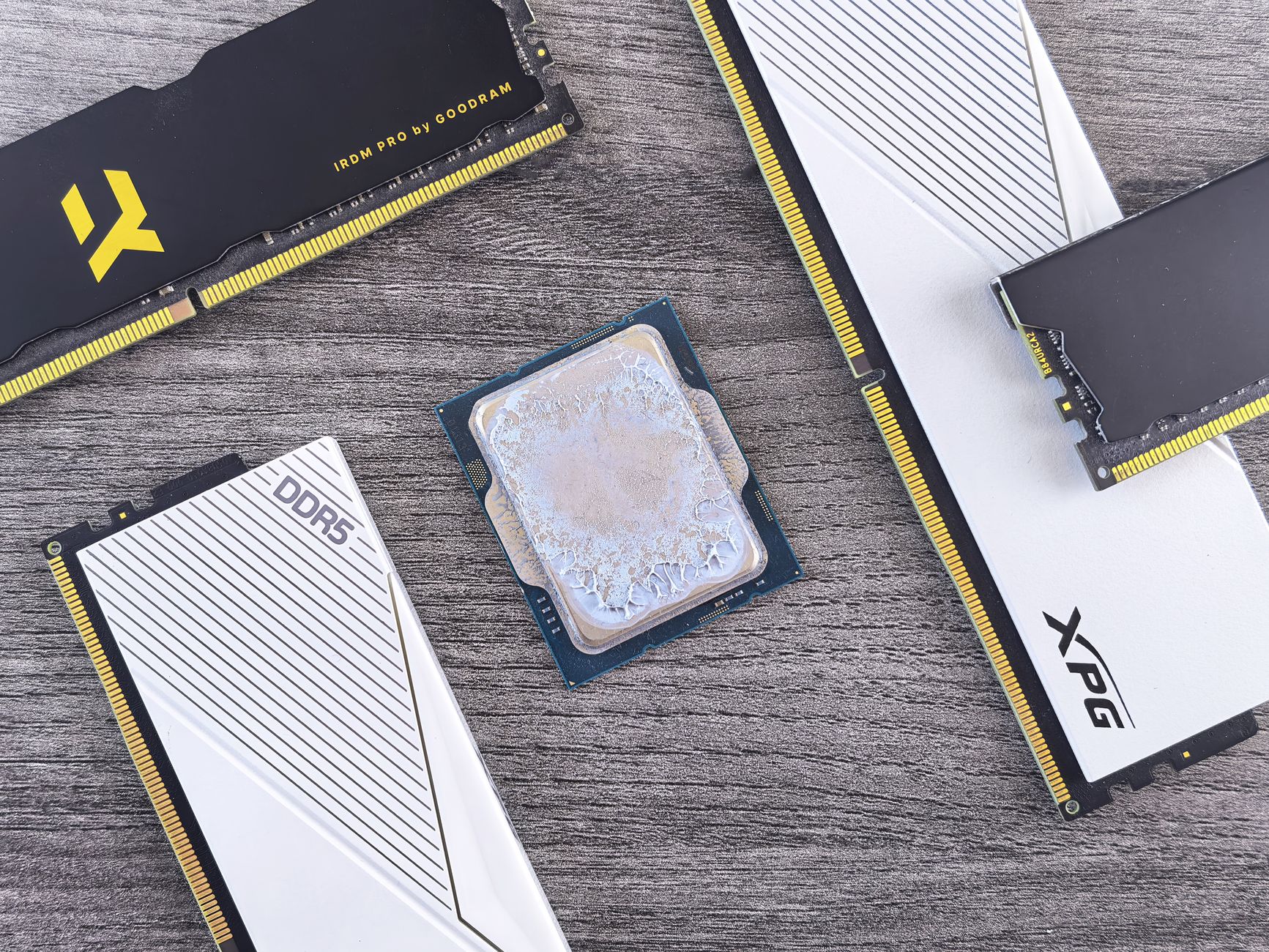
The memory shortage has been building for much of 2026. Major DRAM and NAND producers, including Samsung, SK Hynix, and Micron, have shifted significant production capacity toward high-bandwidth memory used in AI servers, where profit margins are substantially higher than in consumer-grade memory chips.
That reallocation has tightened supply for the DDR4 and DDR5 modules that go into everyday laptops and desktops. Analysts tracking the memory market have reported contract prices for standard DRAM rising by double-digit percentages over multiple quarters this year, with spot prices at times climbing even faster.
The result has rippled through the broader electronics supply chain. Smartphone makers, console manufacturers, and PC builders have all cited memory costs as a factor in recent price adjustments, though the degree to which companies have passed those costs to consumers has varied.
Industry Reaction and Skepticism
Chen’s accusation that some rivals are using the shortage as cover for excess profit-taking is difficult to verify independently, since PC makers do not typically disclose granular cost breakdowns for individual products. Industry analysts have noted that pricing decisions during supply crunches often reflect a mix of genuine cost pressure and calculated margin expansion, making it hard to separate the two from the outside.
Still, the dynamic Chen described is not unprecedented. Component shortages in the past, including the semiconductor crunch during the COVID-19 pandemic, prompted similar accusations that manufacturers used supply disruptions to justify price increases larger than the underlying cost increases warranted.
Some market watchers have pointed out that Acer, as one of the world’s largest PC vendors, has its own incentive to frame the narrative in a way that positions the company favorably against competitors. Chen’s remarks were not accompanied by specific pricing data from other manufacturers to substantiate the claim.
What It Means for Consumers
For buyers considering a new laptop or desktop, Chen’s comments suggest little immediate relief. He was clear that any price correction is unlikely before 2027, meaning consumers shopping for PCs over the next year should expect prices to remain elevated compared with 2025 levels.
Analysts have offered similar timelines, projecting that memory supply constraints will persist through at least the first half of 2027 as chipmakers gradually expand production capacity to meet both AI and consumer demand. Some have cautioned that new capacity investments take years to come online, meaning the shortage could extend longer if AI-related demand continues to grow faster than expected.
Broader Tech Cost Pressures
The memory shortage adds to a list of cost pressures facing the consumer electronics industry, including tariffs, currency fluctuations, and ongoing supply chain realignment. Companies across the sector have had to navigate these overlapping factors while trying to remain competitive on price.
- DRAM and NAND flash memory prices have risen sharply through 2026 amid AI-driven demand.
- Major chipmakers have prioritized high-margin server memory over consumer-grade components.
- Acer’s CEO projects prices could ease by 2027 as supply stabilizes.
- Some rivals are accused of using the shortage to boost margins beyond cost increases.
Whether Chen’s prediction proves accurate will depend largely on how quickly memory manufacturers can bring new production online and whether AI infrastructure demand continues to absorb a disproportionate share of global chip output. For now, PC buyers are likely to keep paying a premium, with any meaningful price relief still more than a year away.