Indonesian search and rescue teams scrambled ships, aircraft and coast guard vessels on Sunday after a passenger ferry carrying at least 240 people lost contact with authorities off the country’s coast. The National Search and Rescue Agency, known as Basarnas, confirmed the vessel had not checked in as scheduled and that its last known position placed it in waters affected by rough seas.
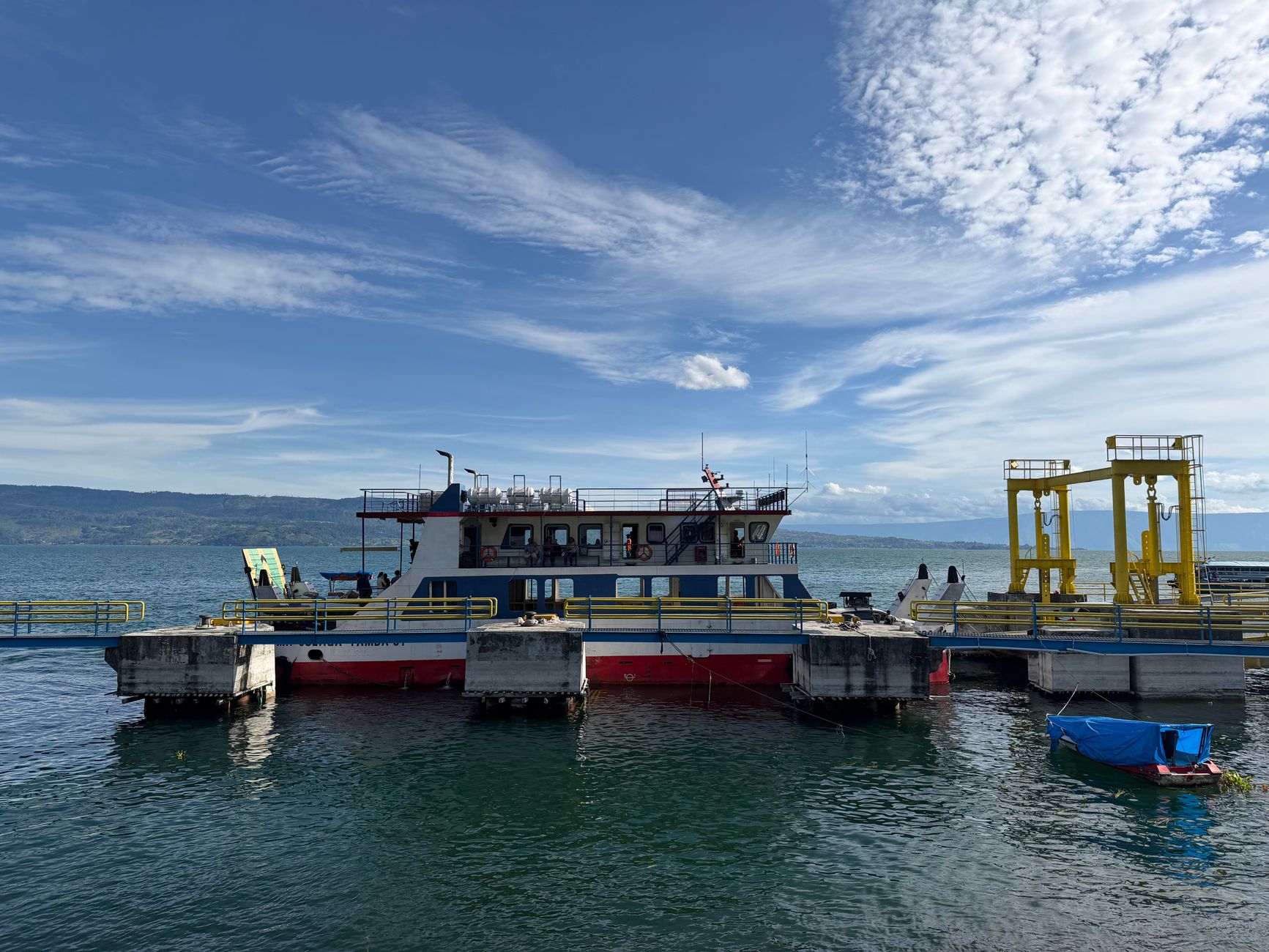
The ship departed from a domestic port earlier in the week on a routine interisland route common across Indonesia’s sprawling archipelago, which relies heavily on ferries to move passengers and cargo between islands. Authorities have not yet released the vessel’s name or exact route pending verification of manifest records.
What We Know So Far
Basarnas said search operations began within hours of the ship missing its scheduled contact window. Multiple naval vessels, a coast guard cutter and at least one helicopter have been deployed to scan the suspected area, according to the agency. Officials cautioned that the search radius remains wide because the ship’s precise last transmitted coordinates have not been fully confirmed.
- The vessel was reportedly carrying more than 240 passengers and crew, based on preliminary manifest figures.
- Contact was lost during a period of adverse weather in the region, complicating radar and satellite tracking.
- No debris, distress signals, or confirmed casualties have been publicly reported as of Sunday afternoon local time.
- Search teams are coordinating with local fishing vessels that may have visibility in the area.
Indonesia’s History With Maritime Disasters
Indonesia, the world’s largest archipelagic nation, has faced repeated ferry and shipping incidents over the past two decades, often tied to overcrowding, aging vessels, and unpredictable weather across its more than 17,000 islands. Maritime safety advocates have long called for stricter enforcement of passenger limits and equipment inspections on interisland routes, which remain a primary mode of transportation for millions of Indonesians who lack access to air travel.
“Search and rescue capacity across our maritime zones has improved, but the sheer scale of Indonesia’s waters means response times can vary significantly depending on where an incident occurs,” a regional disaster management official said in comments carried by local media.
Past incidents have prompted government pledges to modernize fleet safety standards, though implementation across thousands of smaller operators has been uneven. Analysts note that many ferries operating on remote routes are decades old and may lack updated tracking systems capable of transmitting real-time location data during severe weather.
Families Await Word
At ports near the ship’s scheduled departure and arrival points, relatives of passengers have gathered seeking updates, according to local reporting. Authorities have set up hotlines and information posts to assist families, though officials have urged patience given the ongoing nature of the search.
Indonesian officials said manifest verification is ongoing to confirm the exact number of people aboard, noting that passenger counts on some interisland routes can be difficult to finalize immediately due to walk-on ticketing practices at smaller ports.
International and Regional Response
Neighboring countries with maritime rescue capabilities have offered to assist if requested, a pattern consistent with past regional disaster responses in Southeast Asia. Indonesia’s government has not yet formally requested outside assistance, saying domestic assets remain adequate for the current search phase.
Weather forecasters have flagged the possibility of continued rough seas in the search zone over the coming days, which could further hamper visibility for both aircraft and surface vessels. Rescue coordinators say they are prioritizing areas along the ship’s likely drift path based on current and wind data.
What Happens Next
Basarnas said it will provide updates as search teams cover additional grid sectors. Investigators are also expected to review the vessel’s maintenance and safety certification records once the immediate rescue phase concludes, a standard step in Indonesian maritime incident reviews.
For now, officials say the priority remains locating the ship and any survivors. The scale of the search — spanning open water with variable weather — means a full outcome may not be known for several days.
NarwhalTV will continue to follow developments as Indonesian authorities release further details on the missing vessel and the ongoing search effort.