Images chosen by Narwhal Cronkite
For the Average Price of a Car in the US, You Could Buy 5 New Chinese EVs
The global automotive market is undergoing a seismic shift, and nowhere is this more apparent than in the growing price disparity between U.S. vehicles and Chinese electric vehicles (EVs). While American consumers grapple with rising car prices—now averaging $48,000 in 2026, according to Reuters—China is taking a radically different approach. Chinese automakers have flooded their domestic market with affordable EV options, many of which cost as little as $10,000. With advancing technology and growing exports, the disproportionate pricing has far-reaching implications for global competition, consumer choices, and sustainability.
Sticker Shock vs. Bargain Pricing: A Tale of Two Markets
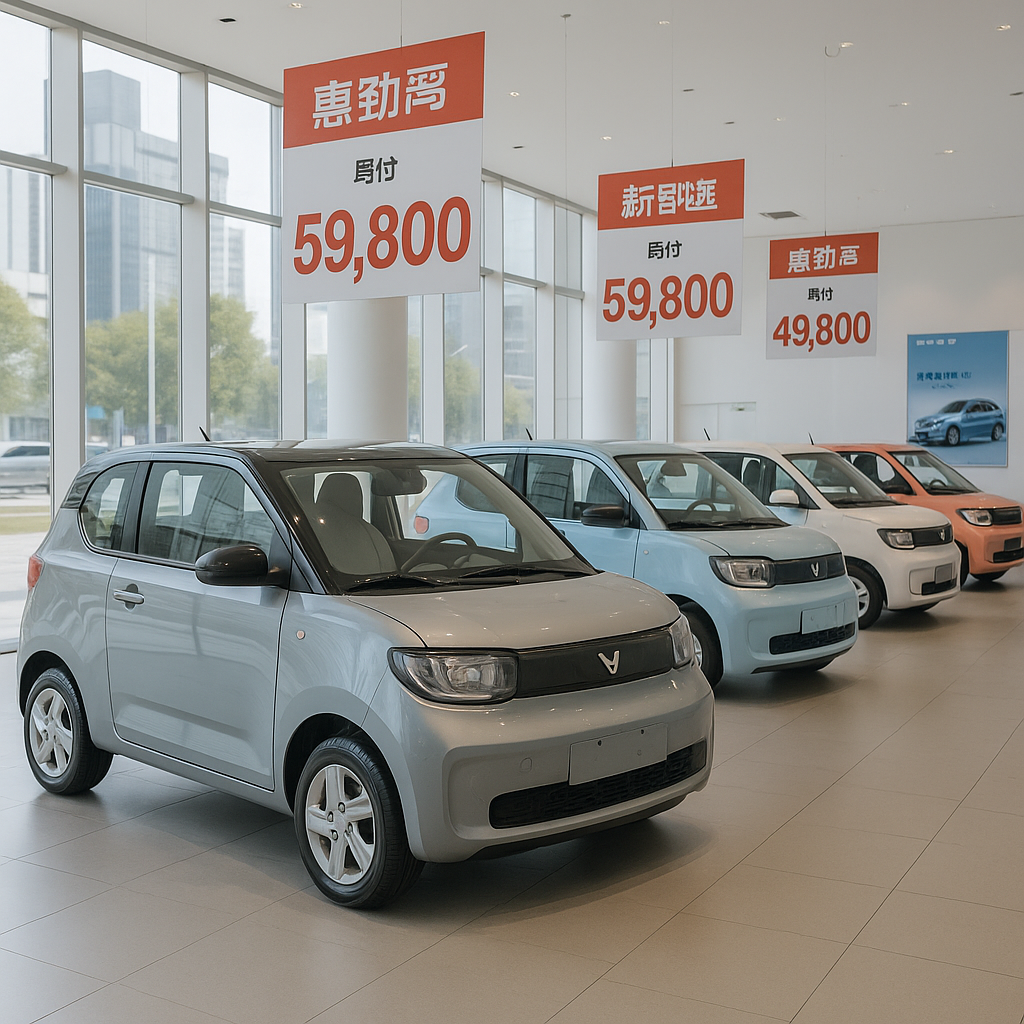
According to data cited by Reuters, the average cost of a car in the United States has surged to nearly $48,000, driven by supply chain disruptions, rising material costs, and a shift toward premium models. Meanwhile, in China, automakers such as BYD, Wuling, and Nio are redefining affordability in the EV sector. The Wuling Hongguang Mini EV, for instance, retails for just $5,000—far less than the smallest gas-powered cars on sale in the US.
“We’re observing one of the biggest contrasts in global automotive markets,” says Jane Carter, an industry analyst who studies EV trends. “While American automakers are competing on performance and range, Chinese manufacturers are focusing on entry-level models that cater to both urban commuters and first-time car buyers.”
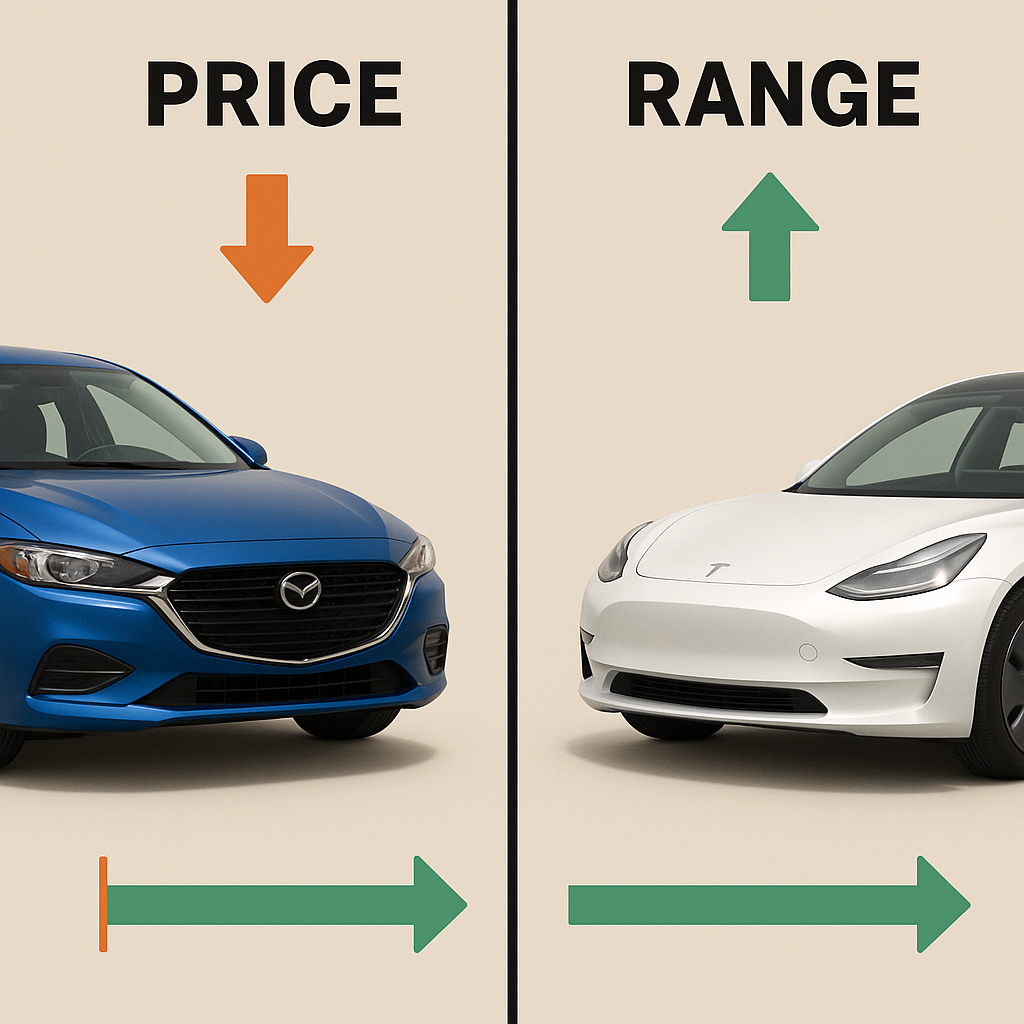
The affordability chasm reflects deep strategic differences in how automakers position themselves. US automakers, particularly Tesla, have prioritized innovation in battery range and premium features. Tesla’s recent struggle with high gasoline prices, as noted by The Next Web, underscores how pricing and premium branding may create headwinds even in markets that appear ripe for EV adoption.
The Role of Government Policy and Strategy
China’s aggressive push for affordable EVs lies at the intersection of government policy and consumer demand. Generous subsidies, low-interest loans for new energy vehicles (NEVs), and massive investment in battery technology have allowed Chinese automakers to scale production while keeping prices low. As reported in a Yahoo article, this strategy aligns with China’s broader green energy goals, as well as its ambition to dominate the global EV supply chain.
By contrast, US policy has taken a more inconsistent approach to supporting EVs. While federal tax credits and incentives exist, they often favor consumers purchasing higher-end models and those with higher disposable incomes. This has created a market ripe for luxury EV adoption but leaves budget-conscious buyers underserved.
“There’s a striking policy mismatch,” says Edward Yuan, an international trade economist. “China subsidizes affordability, while the U.S. subsidizes innovation. Both approaches have merit, but one may prove more transformative for electric mobility worldwide.”
Technology, Batteries, and the Race for Range
Another factor contributing to the price divide is each country’s focus on EV technology. As reported by Yahoo Entertainment, many automakers are battling to achieve 800-mile driving ranges with next-gen solid-state batteries. While this technology promises lighter, safer, and more energy-dense batteries, it also adds significant R&D costs to EV production, a cost that is passed down to consumers.
Chinese automakers, on the other hand, have largely ignored the range arms race for their entry-level EVs. Affordable models like the Wuling Mini EV offer ranges between 100 and 200 miles—perfectly adequate for urban and suburban driving. By prioritizing sufficient rather than cutting-edge performance, Chinese manufacturers roll out cars that are practical and accessible, especially for densely populated cities with shorter commutes.
This “good enough” tech strategy allows them to scale aggressively across emerging markets, positioning Chinese EVs as both affordable and functional. “The idea of a $5,000 car is radical to most Americans, but it’s a game-changer in regions where incomes are lower,” Carter explains.
Can Chinese EVs Disrupt Global Markets?
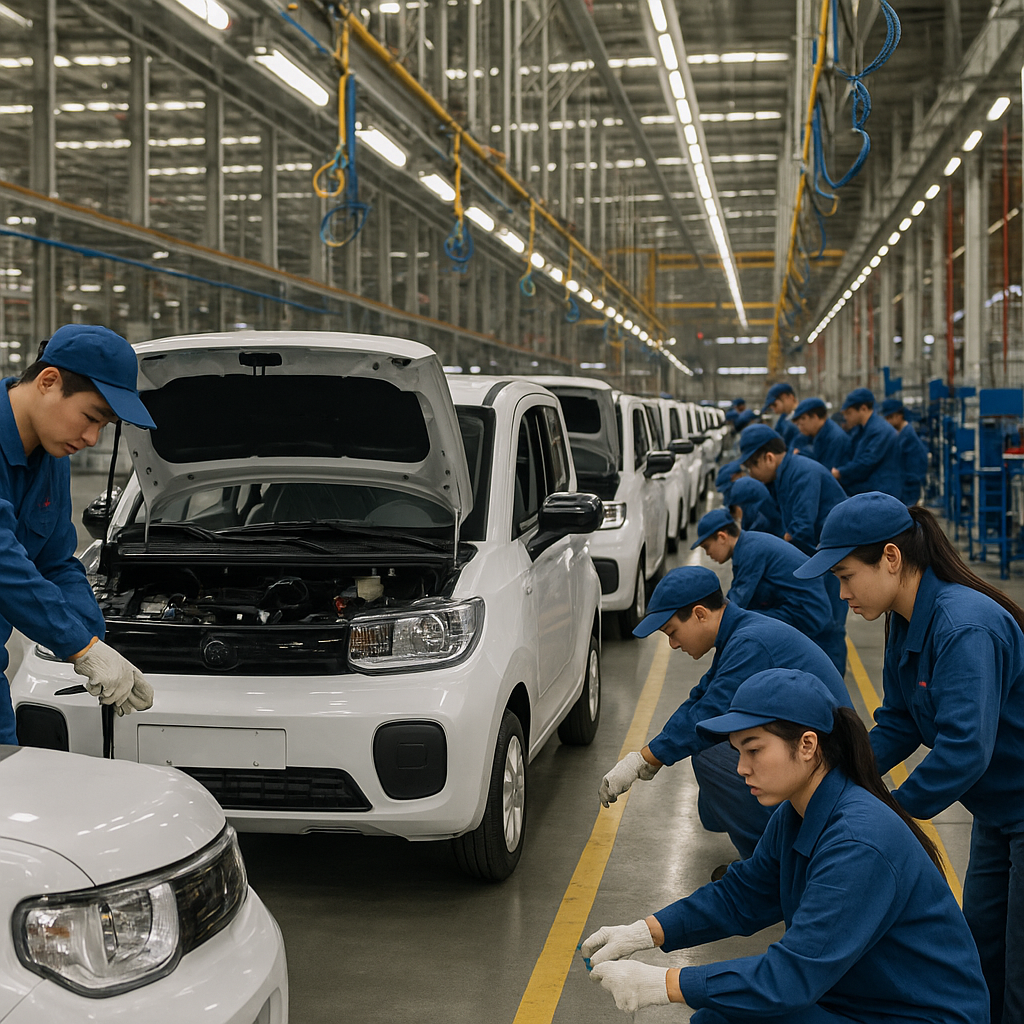
The affordability of Chinese EVs is no longer confined to their domestic market. Exports are rising sharply. BYD, one of China’s leading automakers, is rapidly increasing its presence in Europe, targeting price-conscious buyers with sub-$20,000 models that rival European offerings priced far higher.
However, Chinese automakers face significant challenges entering the U.S. market. Import tariffs, regulatory hurdles, and safety standards often drive up the final cost of overseas models, potentially reducing their price competitiveness. Furthermore, geopolitical tensions between China and the U.S. add an extra layer of difficulty for manufacturers seeking to make inroads.
Nevetheless, early signs of disruption are already evident in international markets, particularly in Southeast Asia and Africa, where consumers prioritize affordability and practicality over luxury features. “Chinese automakers are combining volume production with localization strategies, allowing them to undercut competitors in ways that were unimaginable a decade ago,” says Yuan.
What Lies Ahead?
The growing disparity in EV pricing serves as a harbinger of broader trends in global automotive manufacturing. For consumers, the implications are significant. If Chinese EVs find a way to scale globally without major cost markups, they could make electric mobility accessible to millions of people who would otherwise be priced out of the market. This could accelerate the shift away from internal combustion engines, supporting global efforts to cut greenhouse gas emissions.
For U.S. automakers, the competition is heating up. Whether or not they can adopt strategies to match China’s scale and affordability will determine their ability to hold ground in a rapidly changing market. According to Carter, “Competing with Chinese automakers will require policy changes as much as business innovation. Without greater investments in affordable EV platforms, the U.S. risks losing its competitive edge.”
The road ahead will not be smooth. Trade tensions, infrastructure challenges, and the complex interplay of national policies will shape how this competition unfolds. For now, one thing is clear: as Chinese automakers export an increasing volume of cost-efficient EVs, Western automakers must adapt to a rapidly shifting global landscape.
How quickly this transformation occurs—and how successfully companies adapt—will determine the winners and losers in the great EV race.