Images chosen by Narwhal Cronkite
Even Though I Can’t Download You, You Will Always Be on My Phone
In an age where smartphone usage dominates our daily lives, the phrase “Even though I can’t download you, you will always be on my phone” has taken on a deeper resonance. Whether it evokes thoughts of your most-used apps, unshakable emotions tied to virtual memories, or the evolving relationship between our devices and digital personas, one thing is certain: this sentiment underscores how intertwined technology has become with human connection and behavior.
As apps evolve to reflect not just functionality but an emotional bond with users, questions about data privacy, sustainability, and device ownership come center stage. This article explores the growing complexities of our relationship with smartphone apps and what the future might hold for this intimate dynamic.
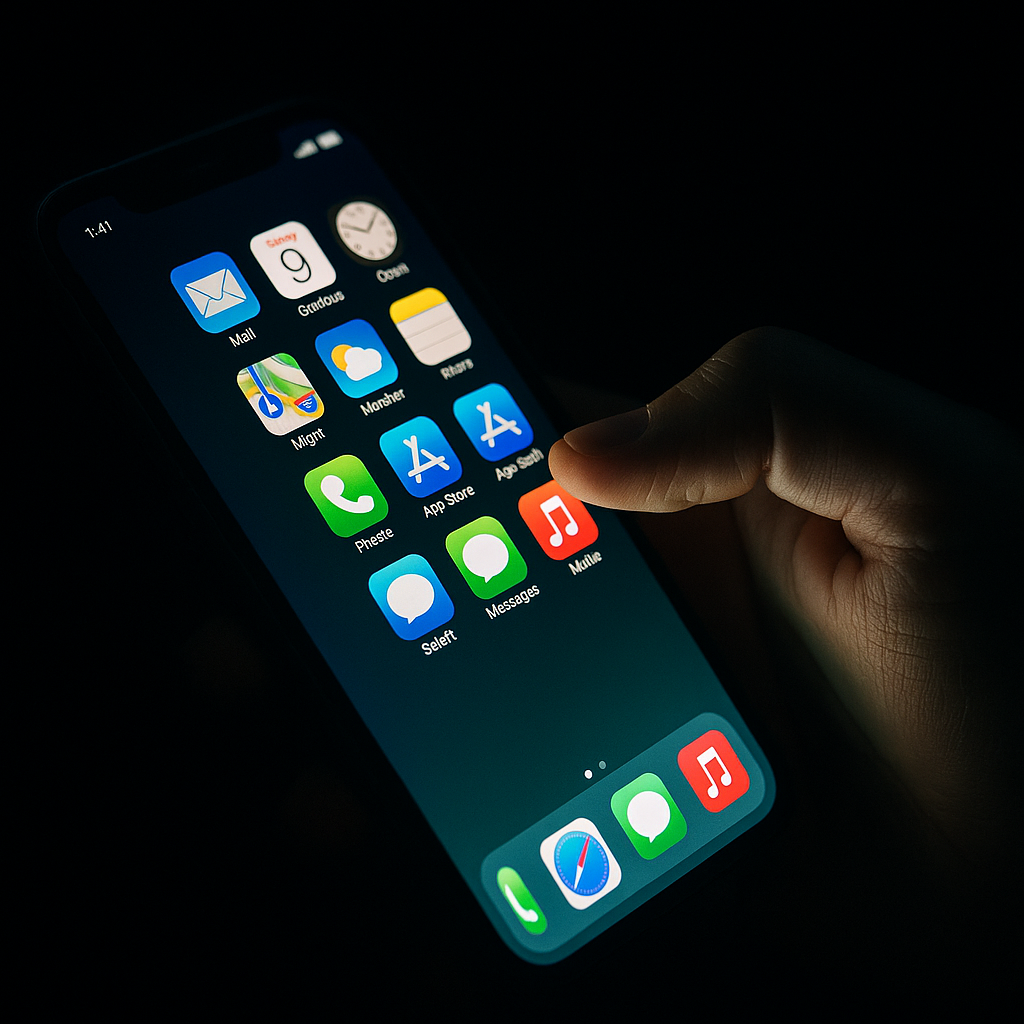
The Hidden Impact of Your Go-To Apps
Although apps provide convenience, entertainment, and efficiency, many come at an unspoken cost: battery performance and system resource overload. Research has shown that certain apps, beloved by millions, often misuse background processes, draining battery life unnecessarily. A recent report from Android Police highlighted Google’s latest move to penalize developers releasing battery-hogging apps. According to the report, a Play Store update now actively warns users about the energy consumption of apps even before installation. The goal? To curb developer behavior in favor of more resource-efficient solutions.
Such measures demonstrate how app design directly impacts user experience. Developers face mounting pressure not just to meet functionality expectations but also to adhere to ethical design principles. “Battery-conscious design is no longer optional,” an industry analyst commented. “It’s a demand from informed users who want to maximize the lifespan of their devices without sacrificing performance.”
Data Tracking: A Relationship That Cuts Both Ways
While apps are celebrated for their ability to create seamless user experiences, the cost of convenience often lies in data tracking practices. Platforms like Forbes have recently spotlighted rising concerns about unchecked data collection, particularly when used without transparent user consent. A recent warning from the FBI urged smartphone users to audit their app tracking settings, citing potential misuse by malicious developers.
“Apps that seem like ‘can’t-live-without’ tools often operate under opaque terms of service agreements,” explained a cybersecurity expert. While users accept these terms in exchange for services or entertainment, the information gathered—ranging from GPS locations to personalized preferences—leaves many vulnerable. The risk goes beyond privacy. According to experts, such data could be leveraged for targeted advertising, exploitative financial schemes, or even identity theft in more extreme cases.
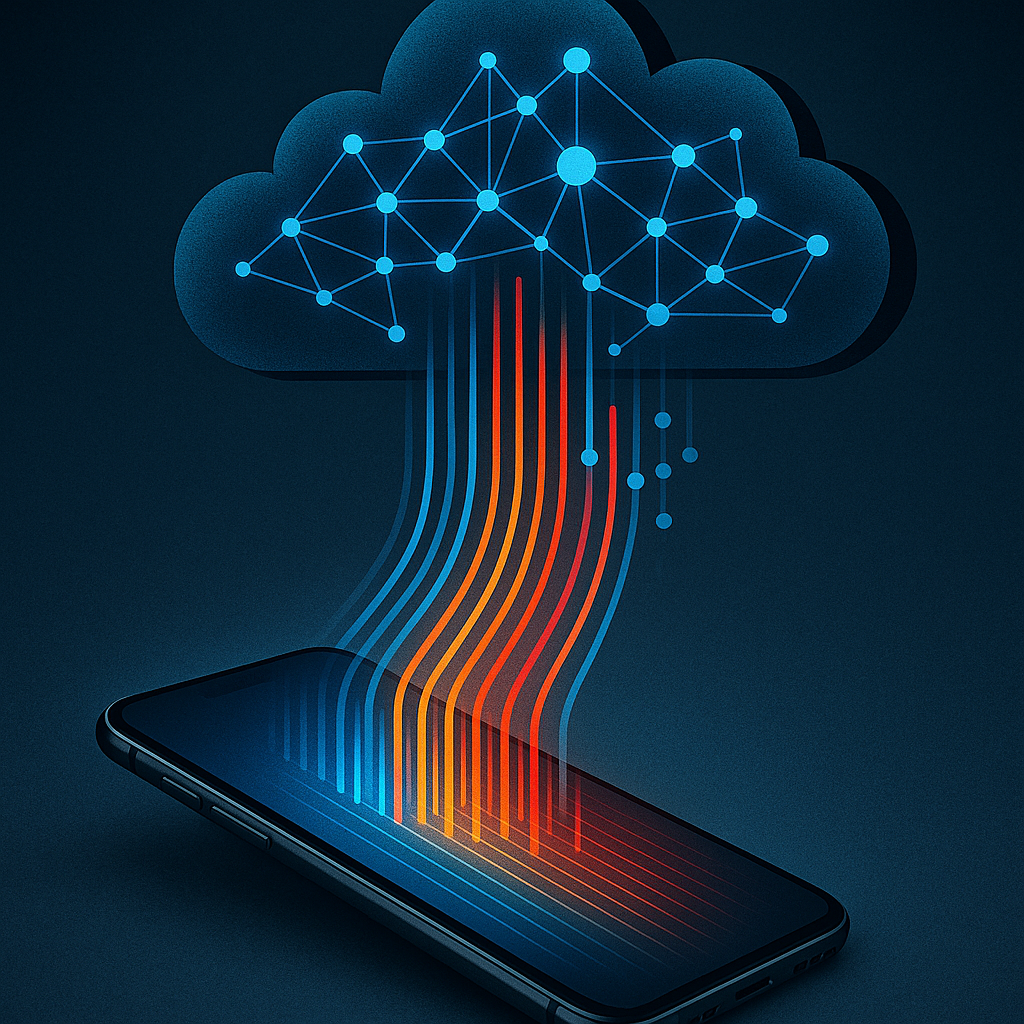
What It Means to ‘Own’ a Device in 2026
Device ownership is no longer as straightforward as simply buying hardware. Today’s smartphones are effectively lifelines to countless third-party ecosystems where users trade their data for digital services. A report from KeepAndroidOpen outlines Google’s upcoming initiative to expand its control over app developers who fail to register under stringent guidelines. Beginning September 2026, Android apps lacking proper developer certification will no longer function, even if previously installed.
This controversial move raises important debates about control and autonomy. Supporters argue it enhances app ecosystem security, reducing the spread of predatory or malicious apps. Critics, however, claim it represents a concerning shift toward monopolistic practices that limit user choice. “Your phone may soon stop being yours,” declared one technology advocacy group in response to the announcement, noting that stringent policies restrict users’ ability to sideload apps or support alternative marketplaces.
As smartphones become more integrated into daily life, striking a balance between security, resource efficiency, and user autonomy is increasingly complicated. “We don’t just want a secure phone; we want a free phone,” one tech expert emphasized in the ongoing debate.
The Emotional Bond with Technology
At the heart of the phrase “even though I can’t download you…” lies a deeper conversation about how emotionally invested we’ve become in smartphone use. Apps such as reminders, photo albums, or messaging tools often feel inseparable from our identities. As devices evolve to track habits, suggest improvements, or preserve treasured digital memories, they also become emotional crutches. Losing access to one’s favorite app can feel akin to losing a personal connection.
Some tech enthusiasts argue this bond reflects the broader trends of humanizing technology. “Phones are more than functional tools—they’re reservoirs of trust, capability, and even companionship,” commented a psychologist specializing in digital behavior. However, this dependency raises questions on mental health, especially when users feel overwhelmed by the need to check notifications or maintain constant connectivity. Striking the right balance may become as important as deciding which apps to keep or delete.

What’s Next? Toward a Harmonized App Experience
The good news is that evolving policies and expectations bring opportunities for positive change. Developers are increasingly motivated to design resource-friendly apps, culminating in more secure ecosystems. Companies like Google, through its regulatory measures, may help users regain autonomy over their device usage by ensuring unethical apps are filtered out.
As users, staying informed and proactive is key. Regularly updating app permissions, using transparent platforms, and respecting battery or data conservation efforts are steps in the right direction. Additionally, advocacy for digital rights and fair competition can ensure that the future of smartphones remains balanced between corporate innovation and user empowerment.
Ultimately, the ways we interpret and act on the bond between ourselves and our devices will define the next phase in smartphone evolution. Whether it’s conserving resources, mitigating risks, or cherishing the emotional connection to apps we cherish most, our individual decisions play a vital role in shaping this ever-expanding digital landscape.