Images chosen by Narwhal Cronkite
Trump Declares Hostilities with Iran ‘Terminated’: What It Means for Global Stability
In a move that reignites speculation about U.S. policies in the Middle East, President Donald Trump declared that hostilities between the United States and Iran are “terminated” during remarks on May 1, 2026. The announcement comes amid a complex geopolitical environment and follows extended months of military and diplomatic maneuvering involving ceasefires, sanctions, energy market disruptions, and regional tension. This proclamation raises questions about its accuracy, implications, and future ramifications for the Persian Gulf.
How Did We Get Here? A Timeline of Key Events
Trump’s remarks followed an intricate series of developments that unfolded throughout 2026. Earlier reports suggested that a temporary ceasefire with Iran, brokered after months of dialogue, was unlikely to be extended beyond April 22. According to NaturalNews, diplomatic talks were held in Pakistan that same week, but they failed to yield substantive progress.
Further complicating matters, global energy markets have been rattled by disruptions in the Strait of Hormuz. As noted NakedCapitalism‘s Satyajit Das described, the Persian Gulf remains a strategic choke point whose stability profoundly affects global energy prices. In addition, Jezebel reports that U.S. naval forces intensified their blockade efforts after Iran allegedly broke the ceasefire agreement earlier in April, underscoring the volatile state of relations.
Amid these tumultuous developments, Trump’s assertion that hostilities have ended is viewed skeptically by critics, who argue that material conditions on the ground contradict his rhetoric. According to Jezebel, hostilities remain active, with skirmishes reported and diplomatic efforts frequently undermined by inflammatory public statements.
Decoding Trump’s Statement: Fact vs. Spin
Trump’s choice of words, specifically declaring hostilities “terminated,” has drawn mixed reactions from analysts. While it may signal an intent to transition away from active conflict, the reality appears far murkier. Contrary to his declaration, multiple reports point to ongoing tension.
Israeli state media also chronicled escalating regional hostilities, including an Israeli strike in southern Lebanon on April 22 that killed one person, as reported by CBC News. The strike occurred during a window of ceasefire, prompting concerns about whether such regional incidents could destabilize broader U.S.-Iranian peace efforts.
So far, the absence of formal documentation or a publicly acknowledged peace treaty further clouds Trump’s claims. As Jezebel highlights, his comments may amount to political optics more than a substantive policy breakthrough. Political neutrality, coupled with adequate skepticism, suggests that while Trump’s declaration may shift public discourse, observers should approach it with cautious optimism grounded in the current lack of concrete progress.

Energy Markets in Flux: The Persian Gulf’s Role
The strategic importance of the Persian Gulf in global energy markets cannot be overstated. As reported by NakedCapitalism, Gulf states could serve a pivotal role in unblocking the current impasse between the U.S. and Iran. However, energy analysts remain concerned that ongoing instability in the region might have ripple effects across global supply chains, triggering higher fuel costs and inflationary pressure in consumer economies.
Industry observers note that disruptions at the Strait of Hormuz often reverberate far beyond the Middle Eastern region. With any faltering peace jeopardizing oil exports, the stakes are seismic for countries reliant on Persian Gulf energy resources. Whether Trump’s proclamation facilitates—or complicates—this dynamic remains to be seen.
What’s Next for the Region and Global Diplomacy?
Looking forward, several critical flashpoints merit close attention. Scheduled talks between Israeli and Lebanese officials in Washington later this week may offer regional insights, with potential implications for broader peace efforts. Energy market reactions will also likely serve as early indicators of whether hostilities between the U.S. and Iran are genuinely winding down.
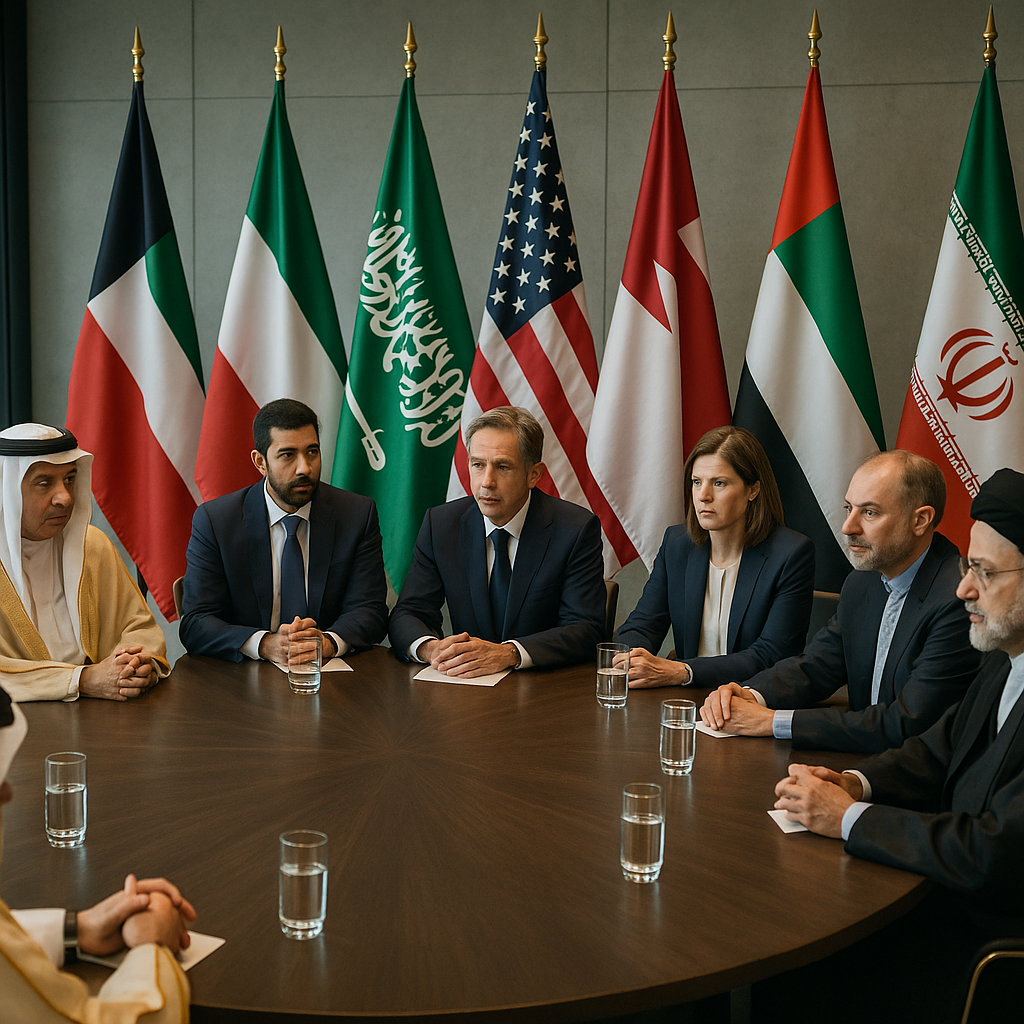
Further complicating matters, the Gulf Cooperation Council (GCC) nations have shown increased assertiveness in advocating regional solutions, blurring traditional lines of U.S. dominance in Middle Eastern affairs. Observers hope this could pave the way toward innovative diplomatic frameworks, although entrenched mistrust remains a significant hurdle.
Implications and What to Watch For
Trump’s declaration may shift public perception but leaves critical questions unanswered. Analysts caution against interpreting his remarks as an official conclusion to hostilities without verified commitments from both sides. Industry experts agree that true peace hinges on strategy, multilateral cooperation, and sustained decreases in military aggression rather than bold political pronouncements.
In the weeks ahead, watch for additional commentary from major geopolitical figures, energy market fluctuations, and further discussions involving GCC members. Regional stability remains uncertain, but evolving narratives can shape outcomes in unpredictable ways.
Ultimately, whether declared hostilities against Iran are “terminated” or merely rebranded remains unclear. But with the stakes as high as they are, this unfolding story will continue to dominate headlines and capture attention worldwide.