Microsoft has filed a patent application describing a system that could insert advertisements into video games at specific moments, including boss fights, loading screens, and cutscenes. The filing, surfaced this week and widely shared on gaming and technology forums, outlines a method for tracking gameplay context to determine when and where ads would appear during a session.
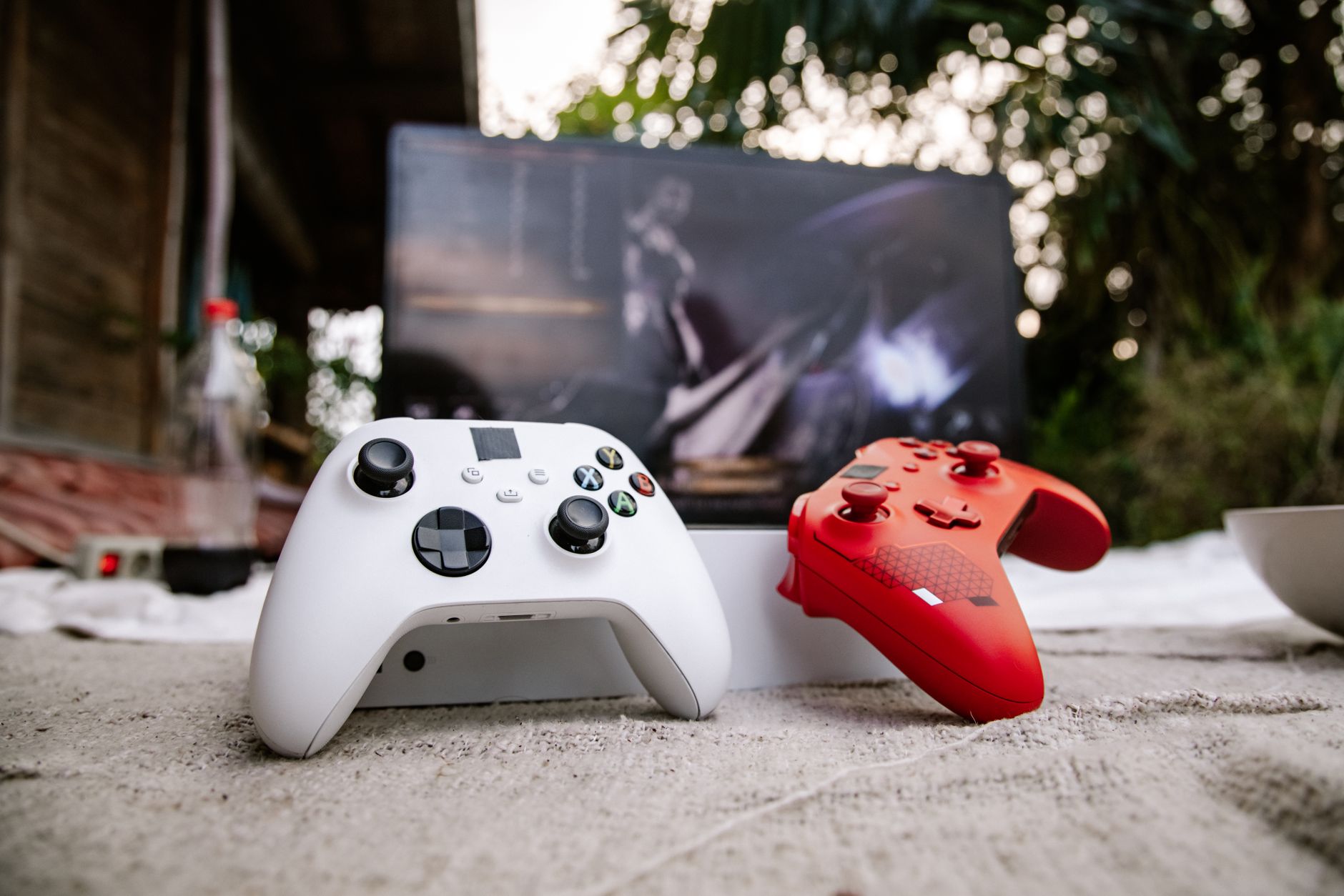
The patent, submitted to the U.S. Patent and Trademark Office, does not describe a product currently in development, and Microsoft has not issued a public statement confirming plans to implement the technology. Patent filings routinely cover speculative or defensive concepts that companies never bring to market, but the document has drawn sharp reaction from players wary of further monetization creeping into paid titles.
What the Filing Describes
According to details circulating from the application, the system would use in-game signals such as player health status, mission progress, or scene transitions to identify natural pause points for advertising. Loading screens and cutscenes are described as low-friction moments where a static or video ad could be displayed without interrupting active gameplay controls. More notably, the filing also references boss encounters and other high-engagement sequences as potential ad triggers, raising the possibility of promotional content appearing during moments players typically consider critical or climactic.
The patent reportedly outlines methods for measuring player engagement in real time, potentially adjusting ad frequency or placement based on how invested a player appears to be in a given session. Proponents of such systems argue this kind of dynamic targeting could make advertising less intrusive by avoiding moments of peak frustration or difficulty. Critics counter that using engagement data to time ads around dramatic story beats or combat sequences risks commercializing exactly the moments players value most.
Industry Context
In-game advertising is not new. Sports titles, mobile games, and free-to-play platforms have long incorporated billboard ads, sponsored content, and rewarded video spots. What distinguishes this filing is its focus on narrative and combat-driven moments in what appear to be premium or subscription-supported titles, a category where players have historically expected ad-free experiences in exchange for upfront purchase prices or services like Xbox Game Pass.
Microsoft has expanded its advertising business significantly in recent years, integrating ad-supported tiers across products including its cloud gaming service and, in some markets, its operating system. Industry analysts note that as subscription growth for services like Game Pass slows, advertising represents an additional revenue stream companies may explore to offset development costs, which have risen sharply for large-budget titles.
Gaming industry commentators have compared the filing to earlier controversies over monetization in premium titles, warning that ad placement during emotionally significant gameplay could alienate the exact players most invested in a franchise.
Player Reaction
Reaction across gaming communities has been largely negative, with many users pointing to the irony of paying full price for a game only to encounter advertising during a boss fight, a moment often considered a narrative and mechanical high point. Some commenters have drawn comparisons to how streaming services have introduced ad tiers even for previously ad-free subscriptions, suggesting gaming could follow a similar trajectory.
Others have noted that patents frequently describe technology far broader than what companies ultimately deploy, and that Microsoft, like most major tech firms, files defensive patents covering a wide range of hypothetical features to protect intellectual property rather than signal imminent product launches. Still, the timing has fueled skepticism given the company’s recent moves to broaden advertising revenue across its software and hardware ecosystem.
What Comes Next
Because the application is still under USPTO review, there is no confirmed timeline for whether any of the described technology will appear in future Xbox titles or services. Patent examiners can take months or years to approve or reject filings, and companies are not obligated to build products around granted patents.
Microsoft’s gaming division has not responded publicly to requests for clarification on the filing’s intent. For now, the patent serves primarily as a signal of where the company’s engineers are exploring potential monetization tools, even if none reach consumers directly.
The controversy adds to a broader pattern of tech companies filing patents that raise questions about consumer experience long before any product decision is made. Earlier this year, a separate patent filing from Meta describing AI systems that could continue posting on behalf of deceased users drew similar scrutiny over how far companies are willing to push automated and data-driven features into deeply personal or immersive spaces. Read more on that filing here.
Intellectual property disputes have also touched gaming and pop culture more broadly this year, including a legal warning issued by Tetris over parody arcade games referencing the White House, a reminder that patent and trademark filings can carry outsized cultural weight well beyond their original legal scope. See that story for context.
NarwhalTV will continue to monitor the patent’s status and any statements from Microsoft regarding its gaming advertising strategy.