Canada and France announced on September 21, 2026, that they will jointly develop shared space launch infrastructure, a move officials say will expand independent access to orbit for both countries and their commercial and scientific partners. The agreement, reached between the Canadian Space Agency (CSA) and France’s Centre National d’Études Spatiales (CNES), marks one of the most significant bilateral space undertakings either nation has pursued in decades.
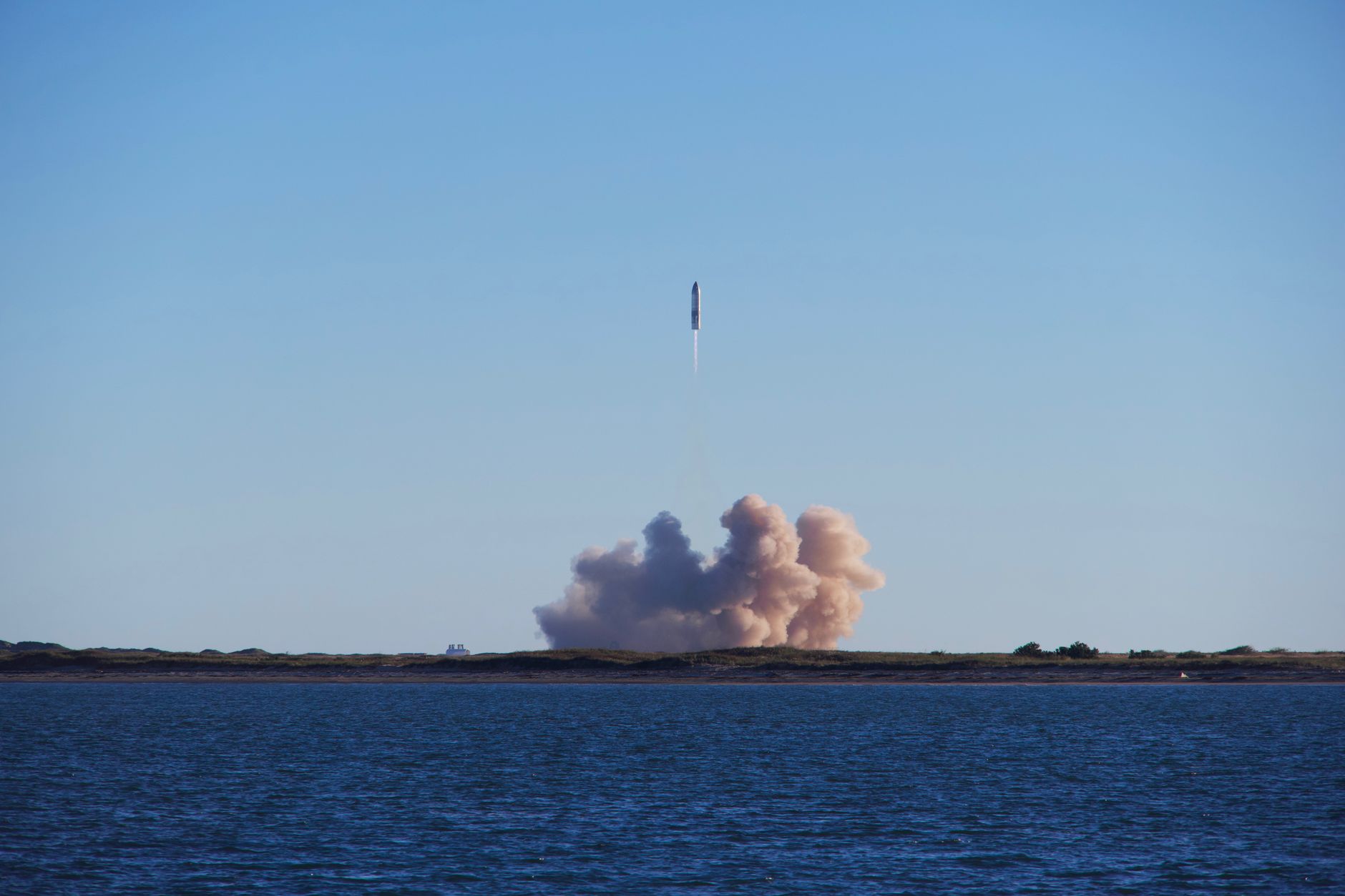
The partnership will focus on building and upgrading launch pads, tracking facilities and satellite integration sites that can support both countries’ growing rosters of commercial and government payloads. Officials described the effort as a response to surging global demand for launch capacity, driven by satellite constellations, earth-observation missions and renewed interest in lunar and deep-space exploration.
What the Agreement Covers
Under the framework, Canadian and French space agencies will coordinate on site selection, regulatory harmonization and shared funding for launch infrastructure that could serve rockets from multiple providers, rather than being tied to a single national launch vehicle. Canada has in recent years explored spaceport development on its Atlantic coast, including a long-discussed site in Nova Scotia that has drawn interest from private launch companies seeking access to polar and sun-synchronous orbits. France, meanwhile, brings decades of experience through its role in the European Space Agency and its stake in the Guiana Space Centre in French Guiana, one of the world’s most active spaceports.
By combining Canada’s northern latitude advantages for certain orbital trajectories with France’s established launch expertise and regulatory framework, the two countries aim to create a more flexible, redundant launch network less dependent on any single facility or provider.
Strategic and Economic Motivations
The announcement comes amid a broader push by mid-sized space powers to secure independent launch capacity. Rising demand for satellite deployment, coupled with congestion at major launch sites in the United States, has pushed several governments to diversify where and how they get payloads into orbit.
“This is about building resilient, sovereign access to space for both our countries,” a CSA official said in a statement announcing the partnership, adding that the collaboration would also create high-skilled jobs in aerospace engineering and manufacturing.
Economic officials in both countries framed the initiative as a way to strengthen domestic aerospace industries. Canada’s aerospace sector, concentrated in Quebec and Ontario, has long supplied components and technology for international space missions but has lacked large-scale domestic launch capability. France’s aerospace industry, anchored by companies such as ArianeGroup, has expressed interest in diversifying launch sites beyond French Guiana to reduce weather-related delays and logistical bottlenecks.
Timeline and Next Steps
Details on funding levels, specific site locations and construction timelines have not been finalized. Officials indicated that a joint working group will spend the coming months conducting feasibility studies, environmental assessments and consultations with local communities near candidate sites. Early estimates suggest initial infrastructure could become operational within four to six years, though officials cautioned that timelines depend on regulatory approvals and private-sector investment.
The partnership is expected to remain open to additional government and commercial partners, including European Space Agency member states and private launch providers seeking alternative sites for smaller payloads and rideshare missions.
Broader Context
The Canada-France announcement fits into a wider pattern of nations seeking to reduce dependency on a small number of dominant launch providers. Several countries have accelerated domestic space investments in recent years as satellite-based communications, navigation and earth-observation systems become increasingly central to both civilian infrastructure and national security.
Analysts note that shared infrastructure agreements like this one can lower costs for both governments while spreading technical and financial risk. They also allow smaller space programs to compete for a growing share of the commercial launch market, which has expanded rapidly alongside the rise of low-earth-orbit satellite constellations.
Neither Canadian nor French officials specified whether the new infrastructure would support crewed missions, though both countries have expressed interest in future lunar exploration initiatives, including potential contributions to international lunar gateway programs.
What Comes Next
The CSA and CNES are expected to release a more detailed roadmap in the coming months, including proposed site locations and estimated costs. Officials from both countries said further announcements would follow as feasibility studies progress, with formal agreements on funding and governance expected by early 2027.
For now, the announcement signals a deepening of transatlantic space cooperation at a moment when access to orbit has become an increasingly competitive and strategically significant resource for mid-sized nations seeking to reduce reliance on larger space powers.