Social media addiction is increasingly affecting older adults, not just teenagers, according to testimony gathered by the BBC. Researchers, mental health professionals, and family members described a growing pattern of compulsive scrolling, disrupted sleep, and social withdrawal among people aged 60 and older, prompting fresh scrutiny of how platforms are designed to capture attention across age groups.
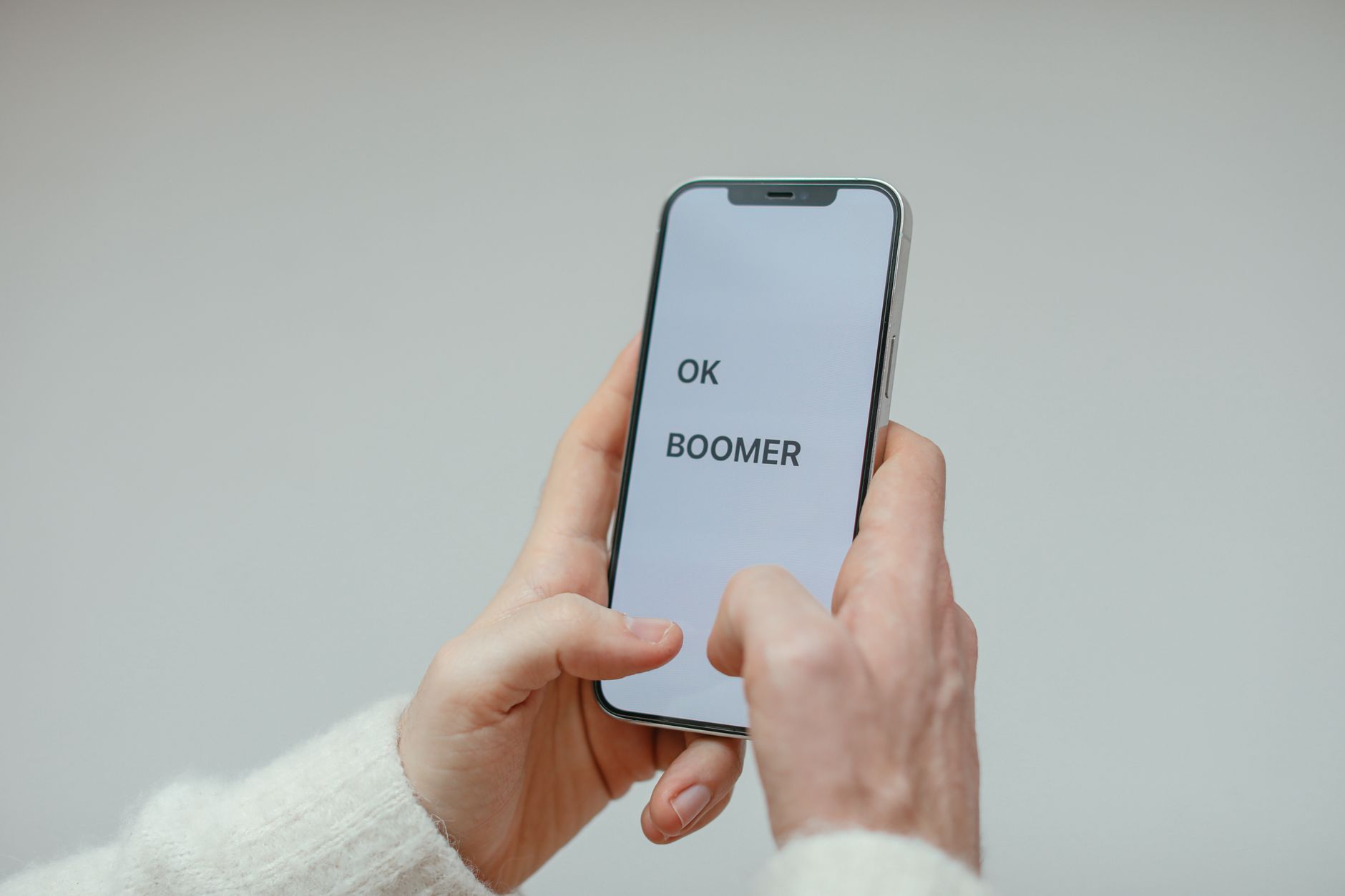
The reporting adds to a broader conversation about digital wellbeing that has largely focused on children and adolescents in recent years. Now, clinicians and advocacy groups say the so-called baby boomer generation — many of whom adopted smartphones and social platforms later in life — is showing similar signs of dependency, sometimes without recognizing the symptoms themselves.
What the BBC Heard
According to the broadcast, several older adults described spending hours a day on platforms such as Facebook, YouTube, and messaging apps, often citing loneliness, retirement, or the loss of a spouse as triggers for increased use. Family members told the BBC they noticed relatives skipping meals, staying up late scrolling, or becoming irritable when separated from their phones.
Health professionals interviewed said the compulsive behaviors mirror patterns long documented in younger users, including anxiety when notifications are ignored and a persistent urge to check for updates even during conversations or family gatherings.
Why Platforms Affect Older Users Too
Digital design researchers argue that the same mechanisms that keep teenagers engaged — infinite scroll, algorithmically curated feeds, and notification-driven engagement loops — are not age-specific. They are built to exploit basic psychological reward systems that respond to novelty and social validation regardless of the user’s generation.
- Infinite-scroll feeds remove natural stopping points, encouraging longer sessions.
- Algorithmic recommendations reinforce existing interests, creating narrow but highly engaging content loops.
- Push notifications and “like” counters trigger dopamine responses tied to social approval.
- Video autoplay features, especially on platforms like YouTube, extend viewing time without deliberate choice.
For older adults who may have more unstructured time following retirement, and who often report smaller in-person social circles, these design features can be especially effective at sustaining engagement, according to the specialists cited by the BBC.
Loneliness as a Driving Factor
Several of the witnesses linked heavy platform use directly to social isolation. Widowhood, retirement, reduced mobility, and geographic distance from family were repeatedly mentioned as circumstances that push older adults toward social media as a substitute for in-person contact.
Paradoxically, mental health experts warned that heavy reliance on social platforms can deepen isolation rather than relieve it. Passive scrolling — watching others’ updates without direct interaction — has been associated in prior research with lower reported life satisfaction, even though users often describe the habit as a way of “staying connected.”
Signs Families Are Watching For
Clinicians outlined a set of behavioral signs that may indicate problematic use among older relatives, including:
- Losing track of time while scrolling, often extending well past intended limits.
- Neglecting household tasks, meals, or medication schedules in favor of phone use.
- Becoming defensive or anxious when asked to reduce screen time.
- Withdrawing from in-person social invitations in favor of online interaction.
- Reporting disrupted sleep tied to late-night device use.
Experts stressed that occasional heavy use is not necessarily indicative of addiction, but a persistent pattern combined with distress or functional impairment warrants attention.
Calls for Age-Inclusive Digital Literacy
Advocacy organizations quoted in the report are pushing for digital literacy programs specifically tailored to older adults, arguing that most existing guidance and school-based curricula are designed with children and teenagers in mind. They also renewed calls for platforms to offer clearer, easier-to-use screen-time tools and simplified privacy settings that account for varying levels of tech familiarity.
Some researchers suggested that community centers, libraries, and primary care providers could play a larger role in screening for problematic technology use among seniors, similar to routine wellness checks already used for other lifestyle factors.
A Broader Pattern of Scrutiny
The BBC’s findings arrive amid continued global attention to how social media companies design their products and the effects on user wellbeing across demographics. Regulators in multiple countries have pressed platforms for more transparency around engagement algorithms, though most policy proposals to date have concentrated on protections for minors.
Whether that regulatory focus will expand to address older users remains unclear. For now, the BBC’s reporting underscores that the psychological pull of social media does not discriminate by age — and that families, caregivers, and health providers may need new tools to recognize and respond to it in the older adults they support.