The United States has been accused of pushing to remove climate change language from an official Antarctic science report, according to reporting by Australia’s ABC News published June 19, 2026. The dispute erupted during Antarctic Treaty Consultative Meeting (ATCM) negotiations, where member nations review and approve joint scientific documents about the continent’s environment.
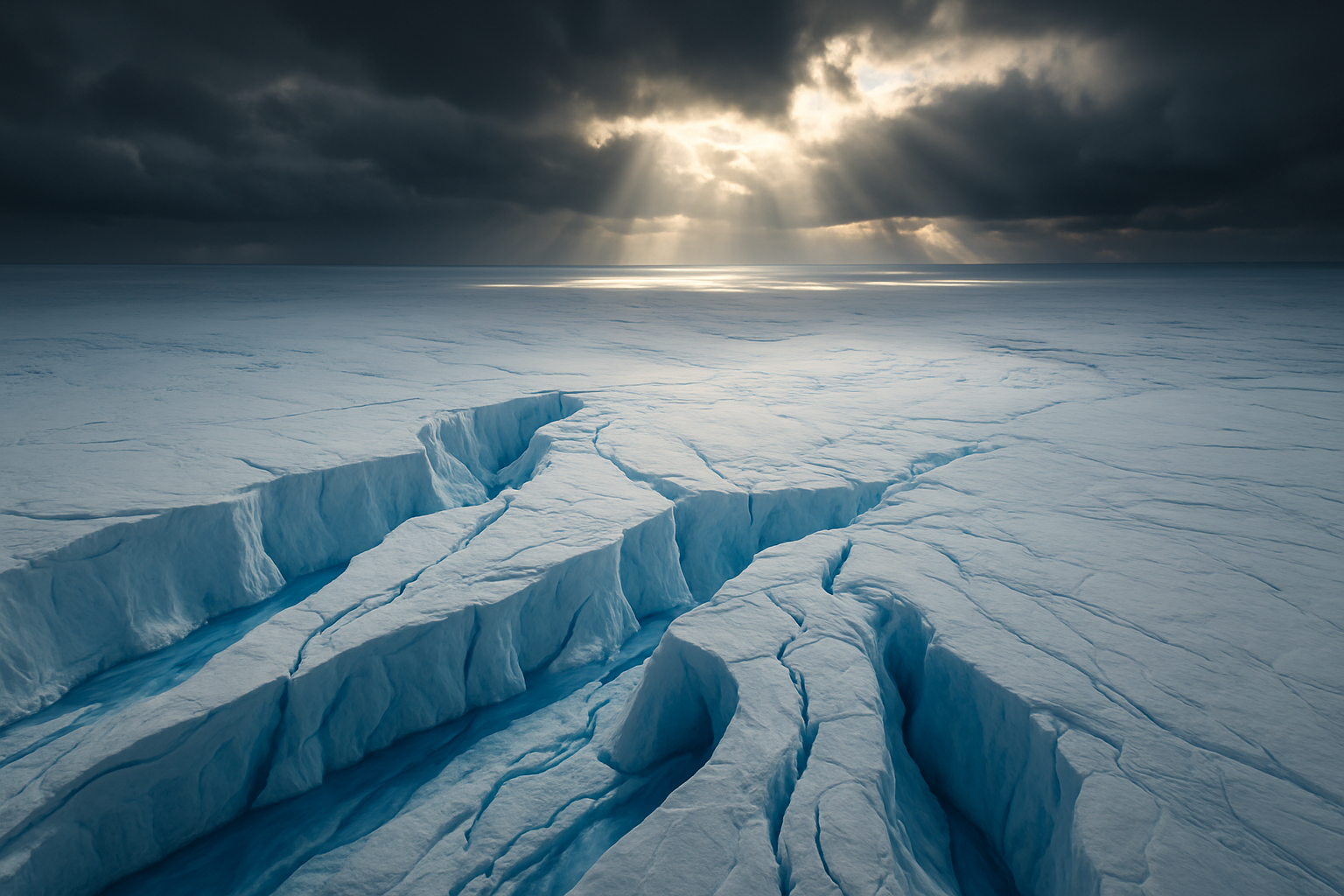
The non-obvious detail that sharpens the story: the effort allegedly targeted not just policy recommendations but the underlying scientific descriptions themselves — meaning the push was to alter how the shared document characterizes observed physical changes in Antarctica, not merely how governments should respond to them.
What the Antarctic Climate Report Actually Says
The Antarctic Treaty system brings together 56 nations to govern the world’s southernmost continent. Every year, member states meet to coordinate research and adopt joint reports. This year’s contested document covers environmental conditions across the Antarctic region, including ice loss, ocean warming, and ecosystem shifts — all areas where scientific consensus on global warming is well established.
According to ABC News, other delegations objected strongly to the proposed American edits. Several countries argued that stripping climate change language from a shared scientific document would misrepresent the findings of the researchers who produced it. The identity of specific delegates quoted in the story has not been independently verified by NarwhalTV, so we are not attributing paraphrased positions to named individuals beyond what ABC News reported.
The dispute reflects a wider tension playing out in multilateral scientific bodies in 2026, where some governments have pushed to soften or remove references to human-caused climate change in official documents, while research institutions and allied nations have pushed back to preserve the language of peer-reviewed science.
Why Language in These Documents Matters
Joint Antarctic reports are not just bureaucratic paperwork. They feed directly into international policy discussions, funding decisions for polar research programs, and the legal framework that governs activity on the continent. When climate change language is removed or weakened, it can affect what protections are considered justified under treaty rules — and which research gets prioritized in the years ahead.
Antarctica is one of the fastest-warming regions on Earth. The West Antarctic Ice Sheet in particular has been the subject of urgent polar research, with scientists documenting accelerating glacier retreat that has direct implications for global sea-level rise. Removing references to that warming trend from a consensus Antarctic climate report would contradict the body of evidence those same treaty nations have commissioned and funded.
This is also not the first time scientific consensus documents have become a diplomatic battleground. Similar disputes have emerged at Arctic Council meetings and within UN environmental bodies, where climate change language has been diluted or blocked in final communiqués.
International Reaction and What Comes Next
The ATCM meeting where the dispute occurred brings together nations with significant Antarctic research programs, including Australia, the UK, Germany, France, Norway, and Argentina, among others. Australia — whose ABC News outlet broke this story — operates several Antarctic stations and has a direct national interest in the continent’s environmental governance.
Other delegations reportedly resisted the proposed edits and sought to preserve the original scientific language. Whether a final agreed text will reflect the original wording, a compromise version, or a document with bracketed disagreements — a common treaty outcome when consensus breaks down — was not confirmed in the ABC News report at the time of publication.
The outcome matters beyond Antarctica. If member nations cannot agree on factual scientific descriptions in a regional environmental report, it signals how difficult global climate cooperation has become even in forums that have historically operated on scientific rather than ideological grounds.
For context on how geopolitical pressure can distort official narratives, see our earlier piece on how Putin’s crowds were exposed as paid extras — a reminder that official stagecraft and information management are tools governments of many stripes deploy. Meanwhile, the broader pattern of nations testing the boundaries of multilateral scientific bodies connects to ongoing debates about global governance, including Finland’s recent shift on nuclear weapons policy within NATO, which similarly redrew lines that had long been considered fixed.
The Bottom Line for Readers
The Antarctic climate report dispute is a concrete example of how scientific communication — not just policy — has become a contested space. When the facts themselves are up for negotiation in official documents, the downstream effects touch everything from research funding to international law.
Watch for the final ATCM communiqué, expected in late June 2026. If the climate change language survives intact, it will signal that the treaty system’s scientific norms held. If it doesn’t, researchers and environmental advocates have already indicated they will make the edited text public and challenge its legitimacy outside the formal treaty process.