An Australian billionaire has donated $10 million to transform more than 17,000 acres of private land into a permanent wildlife refuge, according to ScienceAim, which first reported the story. The funds will be used to secure the property under a conservation covenant, protecting it from future development in perpetuity.
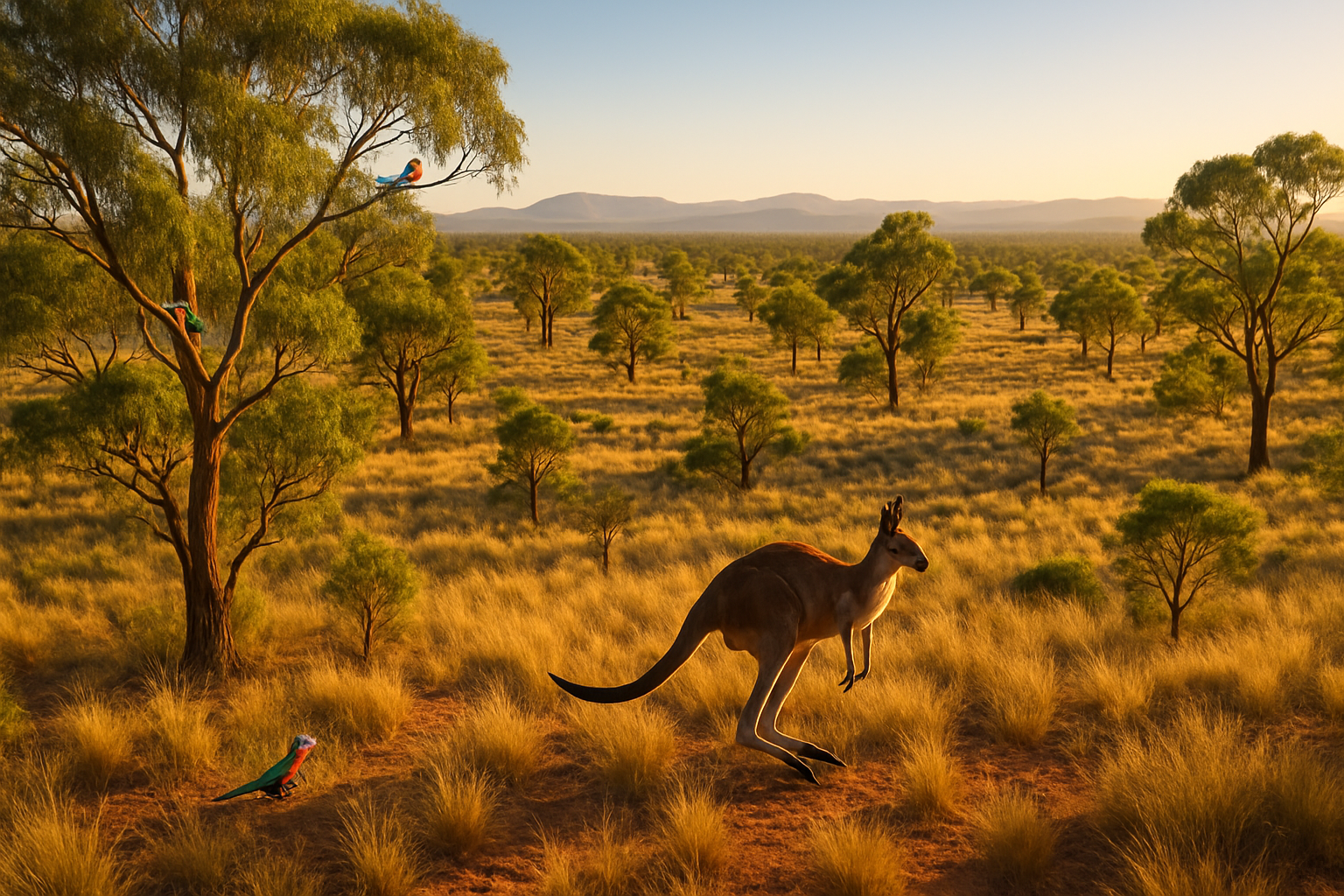
The non-obvious detail worth knowing upfront: the land will not simply be fenced off and left alone. The plan calls for active rewilding — reintroducing native species that have been locally extinct for decades, including small mammals wiped out by introduced predators like foxes and feral cats.
What the Australian Billionaire Wildlife Refuge Will Actually Look Like
The 17,000-acre tract sits in a biodiversity hotspot where urban sprawl and agricultural clearing have steadily shrunk native habitat over the past century. The donation covers land acquisition, fencing, and the long-term management budget needed to make the refuge self-sustaining. Conservation groups involved in the project say that scale matters: anything under roughly 10,000 acres rarely gives native wildlife enough territory to form viable breeding populations.
The rewilding component is the most ambitious part. Teams plan to erect predator-proof fencing around key sections before any reintroductions begin. That approach has already worked at smaller Australian sanctuaries, where bilbies, numbats, and eastern quolls have bounced back after being given a predator-free zone to establish themselves.
Why Land Donations Beat Annual Grants
Wildlife conservation funding typically flows through annual grants that can dry up when donor priorities shift. A single large capital donation tied to a permanent covenant sidesteps that problem entirely. Once the covenant is registered on the land title, no future owner — private or corporate — can legally clear, mine, or subdivide the property. The $10 million figure covers not just the covenant but an endowment-style management fund designed to keep rangers and ecologists on site without relying on future fundraising cycles.
That model is gaining traction globally. The IUCN’s work on privately protected areas shows that privately funded conservation covenants now cover tens of millions of acres worldwide — and retention rates are significantly higher than government-managed reserves that face budget cuts each fiscal year.
The Species in the Crosshairs — for the Better
Australia has one of the worst mammal extinction records of any country on Earth. Since European settlement, more than 30 native mammal species have been lost. The refuge targets several animals currently listed as vulnerable or endangered under Australian federal law:
- Eastern quoll — a cat-sized carnivorous marsupial eliminated from the mainland by foxes in the mid-20th century
- Bilby — a long-eared, burrowing marsupial whose population has collapsed to fragmented pockets across the outback
- Southern brown bandicoot — present in small numbers but under constant pressure from habitat loss and predation
- Regent honeyeater — a critically endangered bird with fewer than 400 individuals remaining in the wild
Establishing a 17,000-acre predator-managed zone gives wildlife managers enough room to test whether self-sustaining populations are viable before attempting broader landscape-scale reintroductions.
Rewilding Momentum Grows in 2026
This donation lands at a moment when large-scale rewilding has moved from fringe idea to mainstream conservation strategy. Several high-profile land protection projects across South America, Europe, and now Australia are proving that private capital can move faster and with fewer bureaucratic obstacles than government programs.
The protected habitat created by this gift also supports carbon sequestration goals. Native Australian bushland stores significant above- and below-ground carbon, meaning the refuge doubles as a climate asset — a fact that conservation economists say makes it easier to attract co-investors and corporate partners down the road.
For comparison, Australia’s federal government has pledged to protect 30% of the country’s land and oceans by 2030 under international biodiversity commitments. Private refuges like this one count toward that target, which gives philanthropic donors an additional policy lever — their money directly advances a national goal without waiting for a budget cycle.
If you’re tracking other stories where money is reshaping big-picture outcomes, check out our piece on how solar energy beat coal in the US for the first time — another milestone driven partly by private investment outpacing government timelines.
What Happens Next
Conservation teams expect the predator-exclusion fencing to be completed within 18 months. The first species reintroductions — likely eastern quolls and bilbies, which have the most established captive breeding programs — are tentatively scheduled to follow once the fencing is independently certified. Long-term ecological monitoring will track population growth and habitat recovery, with results expected to be published through partner universities.
The donor has not yet been publicly named, but the organizations managing the project have confirmed the covenant paperwork is already filed. When the ink dries, 17,000 acres of Australian land will be wild — permanently.