The Dawa Sherpa survival story has captivated the world: a veteran Nepali mountain guide, presumed dead after six terrifying days missing above 7,500 meters on one of the world’s highest peaks, walked himself down the mountain — without supplemental oxygen — and is now recovering in hospital, talking to his daughter.
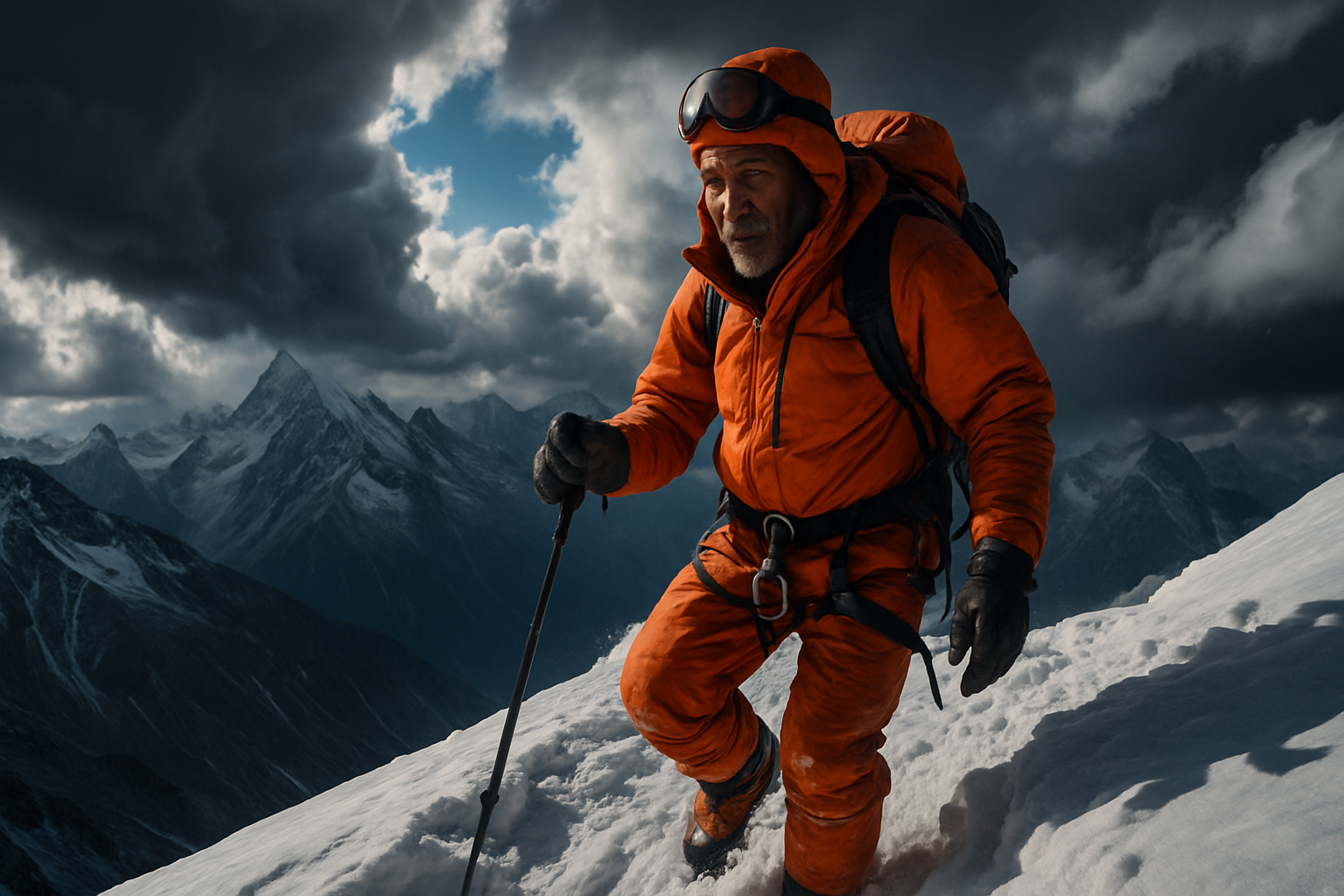
Dawa Sherpa Survival: What Happened on the Mountain
Dawa Sherpa set out from a high camp and did not return. Search teams feared the worst. Six days passed at extreme altitude — a zone where the human body rapidly deteriorates and survival without shelter or oxygen is considered nearly impossible.
Then, against every expectation, he appeared. He was descending on his own. No rescue team was guiding him down. No oxygen mask was strapped to his face. He was moving through terrain that climbers typically navigate only with fixed ropes and ladders, crossing it unaided in a weakened state after nearly a week alone.
Rescue teams reached him and brought him to safety. He is now in hospital and, remarkably, conscious and communicating. According to reports, one of his first acts was talking to his daughter — a moment that has moved people around the globe.
The BBC reports that Dawa was found coming down independently, having survived conditions that would defeat almost any trained mountaineer in the world.
The Science Behind High-Altitude Survival
At 7,500 meters, the air holds roughly one-third of the oxygen available at sea level. The human body begins to shut down quickly without supplemental gas. Cognitive function drops. Muscles fail. Frostbite sets in within minutes of exposed skin meeting wind.
That a Nepali mountain guide could endure six days in this environment is extraordinary by any medical standard. High altitude rescue operations are notoriously dangerous — search teams themselves face serious risk above the so-called “death zone” (above 8,000 meters).
Experienced high-altitude guides like Dawa develop remarkable physiological adaptations over years of work. Studies have shown that Sherpa communities carry genetic variants that help their bodies use oxygen more efficiently. Still, six days without supplemental oxygen at near-death-zone altitude pushes even those adaptations to the absolute limit.
Why Sherpa Guides Are the Backbone of Himalayan Expeditions
Sherpa guides do the most dangerous work on the world’s highest peaks. They fix ropes, carry loads, set camps, and escort climbers who could not summit without their expertise. Yet their names rarely make front-page news when expeditions succeed.
Dawa’s story is a reminder of the risks these guides take every single season. The Himalayan climbing industry depends on them entirely. Their skill, courage, and knowledge of the mountain are unmatched — and Dawa’s survival is the ultimate proof of that resilience.
Dawa Sherpa Survival Sparks an Outpouring of Relief
News of the Dawa Sherpa survival spread rapidly across social media and climbing communities worldwide. Mountaineers, adventure sports fans, and ordinary people shared the story with an emotional response rarely seen for high-altitude rescues.
The image of a man who was missing and presumed dead — walking himself off a frozen, oxygen-starved ridge after nearly a week — resonates far beyond the climbing world. It speaks to something fundamental about human endurance and the will to survive.
For his family, who spent six days not knowing whether he was alive, the relief must be immeasurable. The detail that he was speaking with his daughter from his hospital bed is the kind of ending that reminds people why these stories matter.
What Comes Next for the Missing Climber Found Alive
Doctors will now assess the full extent of Dawa’s injuries. Frostbite is a near-certainty after extended high-altitude exposure. Climbers who survive long ordeals at extreme altitude often face weeks or months of medical recovery, including potential tissue damage to fingers, toes, and other extremities.
Despite the physical toll, the sherpa oxygen-free descent he managed shows a core strength that gives medical teams reason for cautious optimism. He moved under his own power. He navigated difficult terrain. His mind was alert enough to find a route down.
Recovery will take time. But Dawa Sherpa has already beaten the odds in a way that will be studied and celebrated in mountaineering circles for years to come.
An Uplifting Reminder of Human Resilience
Stories like this are rare. In a news cycle often dominated by conflict and crisis, the Dawa Sherpa survival offers something different: a genuine miracle of endurance, a father and guide who refused to give up, and a family reunited against all odds.
If you enjoy stories of extraordinary courage, you might also be moved by the tragic contrast of a missing American student found dead in Japan — a reminder that not every missing-person story ends with the same relief.
Dawa’s story stands apart. He came back. He is talking to his daughter. And in a world that often feels short on good news, that is more than enough.