A trending post on Reddit’s r/technology community alleges that an improper redaction revealed water and electricity usage for a Google data center identified as being in Lincoln. As of this October 5, 2026, article, the available material consists only of the post’s headline; the location’s state or country, the document’s release date and the underlying figures have not been established.
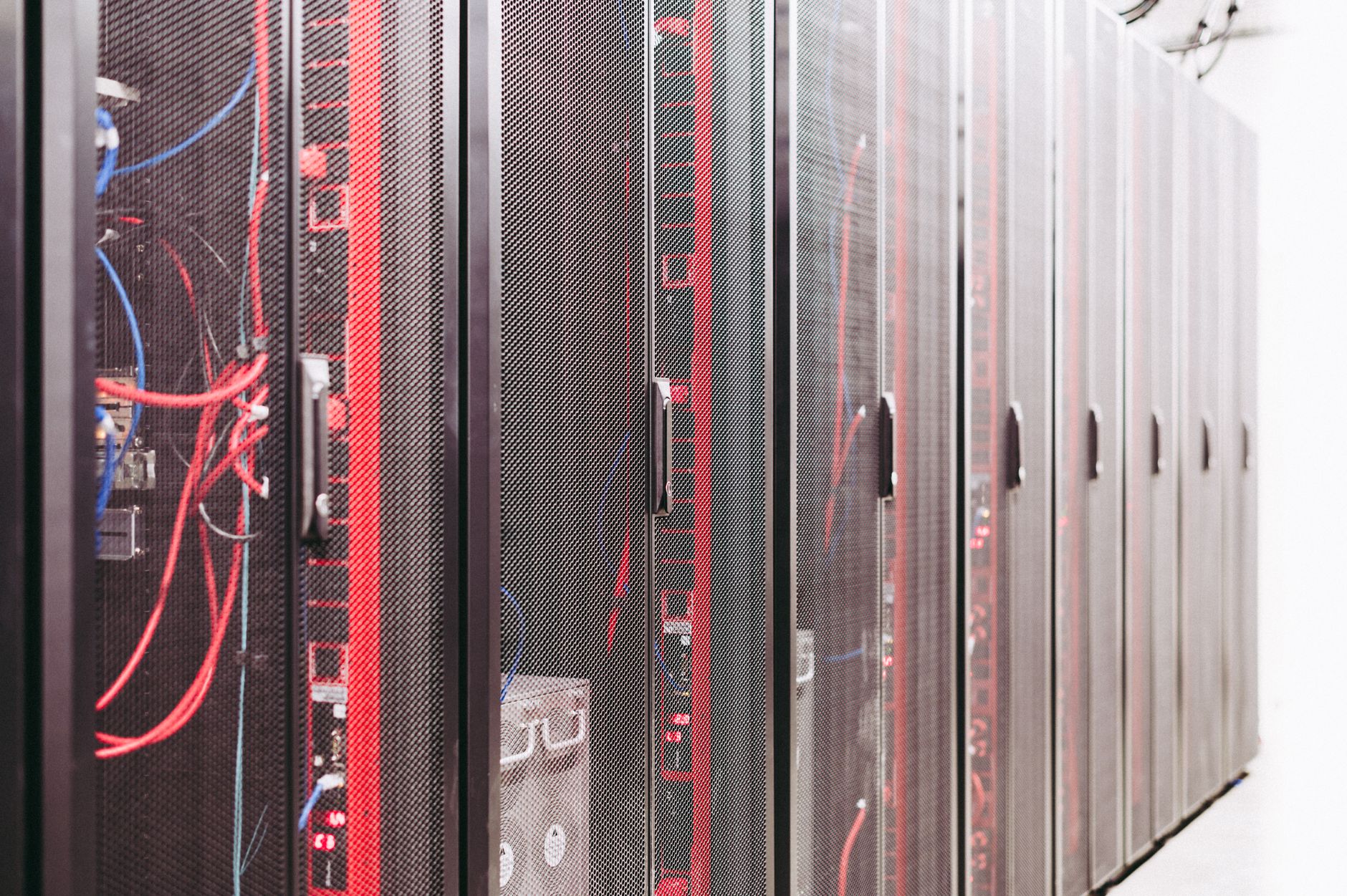
That limitation matters. The headline points to a potentially significant disclosure about the resources required to operate a data center, but it does not establish how much water or electricity was used, what period the records cover or who published them.
What the headline establishes—and what it does not
The supplied headline, “Improper redaction reveals Lincolns Google Data Center water and electricity usage,” makes two central claims: that information was intended to be concealed and that the concealment failed. Neither claim can be independently confirmed from the headline alone.
No underlying news report, utility record, public filing or downloadable document accompanied the material supplied for this article. There is consequently no basis here to report a consumption total, identify the agency responsible for the release or attribute a response to Google.
The word “usage” also needs scrutiny. A document might describe actual metered consumption, a forecast, a maximum service capacity or a contractual allocation. Those measures can all appear in discussions about data centers, but they answer different questions. Treating one as another could substantially distort the public’s understanding of a facility’s demands.
Why water and electricity figures matter
Data centers use electricity to operate computing equipment and supporting systems, including cooling. Depending on the cooling design, climate and operating conditions, a facility may also require substantial water supplies. Electricity generation can have its own water requirements, separate from water delivered directly to a building.
For communities considering or hosting these facilities, reliable figures can help explain potential effects on utility planning, infrastructure investment and local resources. But a large number, without a unit and a time period, says little about those effects.
Electricity demand and electricity consumption are particularly easy to confuse. Megawatts describe power at a particular moment or a level of capacity; megawatt-hours describe energy used over time. A projected peak load is not the same as average operating demand, and neither alone establishes an annual electricity bill.
Water records require similar care. A permitted withdrawal, an available connection capacity and actual annual consumption are not interchangeable. Whether water comes from a drinking-water system, a reclaimed-water supply or another source also changes the significance of the figure. Seasonal conditions and local water availability provide further essential context.
How an improper redaction can expose information
In a properly redacted digital document, the protected content is removed from the released file—not merely covered on the screen. A black rectangle placed over text may look convincing while leaving the underlying material intact. Other document components can also retain information that was meant to be excluded.
That is a general document-security risk, not a confirmed explanation of what happened in this case. Without the original file or reporting that describes the failure, it would be speculative to say which software, workflow or organization was responsible.
Organizations releasing records should use dedicated redaction functions, check the resulting file and have a second reviewer inspect the public version. The objective is straightforward: information approved for release should remain accessible, while material lawfully withheld should not survive invisibly inside the document.
A disclosure error does not settle the policy debate
Whether a redaction worked is separate from whether the information should have been withheld in the first place. Public-records rules vary by jurisdiction, and an assessment would require the applicable law, the document’s custodian and the stated reason for withholding particular details.
Utility transparency can help residents evaluate development agreements, infrastructure obligations and potential ratepayer exposure. At the same time, decisions about releasing records may involve commercial confidentiality or security considerations. Neither a blanket claim of secrecy nor an assumption that every withheld figure must be public resolves that legal question.
The broader issue of local technology oversight also appears in NarwhalTV’s reporting on unclaimed Flock cameras found on roads in St. Lucie County, Florida. That is a separate story, but it similarly directs attention to accountability for technology operating within a community.
What would clarify the Lincoln claim
The most useful next evidence would be the original reporting and the document at issue, followed by confirmation of its issuing authority, release date and measurement definitions. Responses from Google and the relevant utility or public agency would help establish whether any exposed numbers are accurate, current and being interpreted correctly.
Until that evidence is available, the responsible conclusion is limited: a trending headline alleges a redaction failure involving a Lincoln Google data center. It does not yet provide a verified account of the facility’s resource consumption or its consequences for residents.