A Texas woman is fighting to preserve land that was supposed to become a public park but could instead be developed as a data center, according to a headline shared on Reddit’s r/technology forum. As of October 5, 2026, the information available for this article does not identify the community, provide a timeline for the proposed change or establish whether officials have approved it.
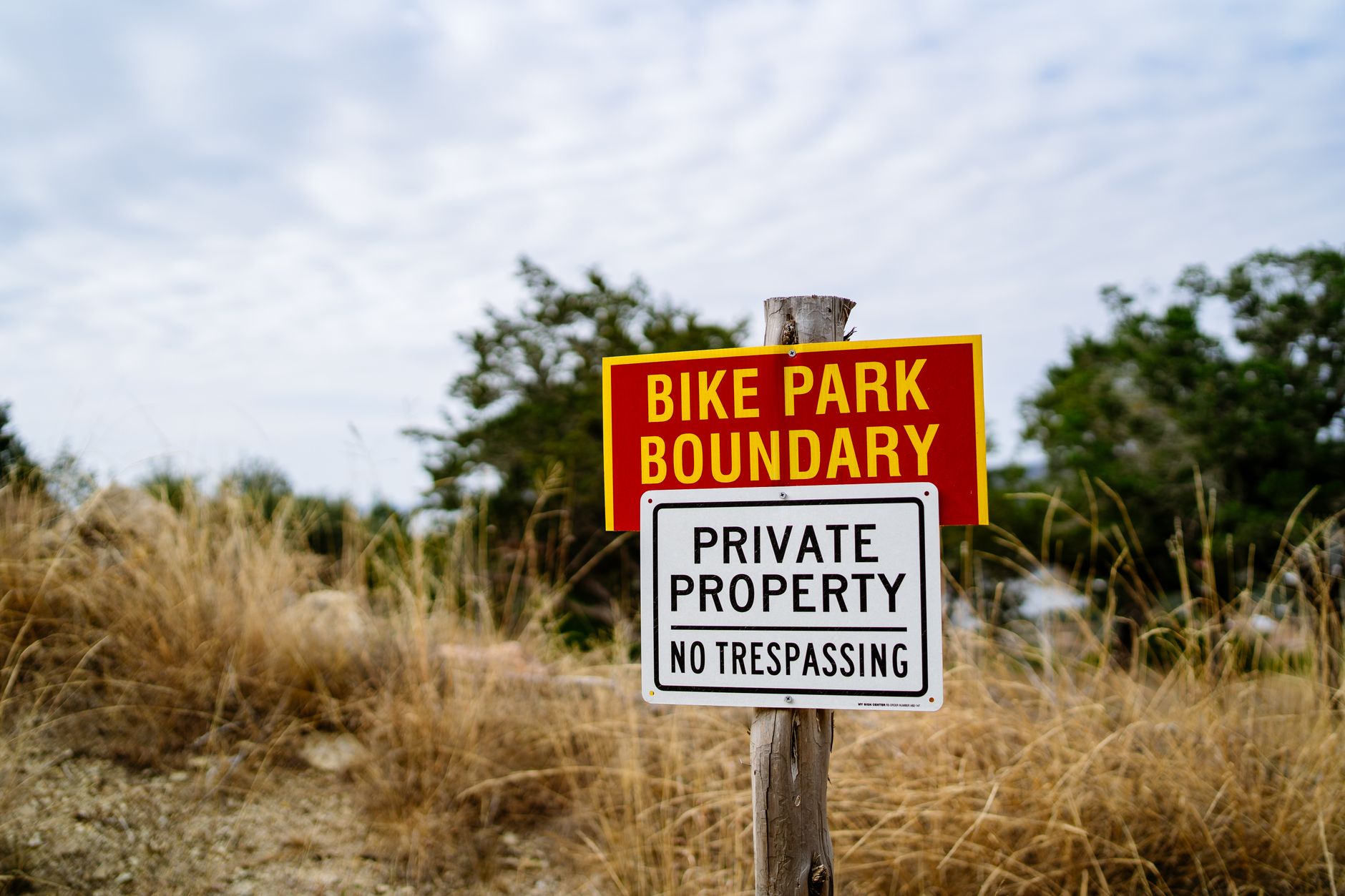
That leaves a consequential distinction at the center of the story: land envisioned as a park is not necessarily land legally protected for public recreation. Understanding what residents were promised—and what, if anything, was formally secured—is essential to assessing the woman’s effort and the proposed alternative use.
What the headline establishes—and what it does not
The headline describes a preservation effort involving a Texas property, an expectation that it would become a public park and the possibility of a data center instead. It does not establish that construction is imminent, that the property has been sold or that a government body has voted to abandon a park project.
No underlying news article, property records, planning documents or statements from the woman, a developer or local officials were supplied. The account therefore cannot support identifying a company, assigning responsibility for the potential change or describing specific environmental effects at the site.
Those limitations do not settle the merits of the dispute. They define what remains to be verified before a possible development can accurately be described as an approved project—or an anticipated park as a protected public asset.
Was the park a promise, a plan or a legal commitment?
The phrase “supposed to become a public park” can cover substantially different circumstances. A property might appear in a long-range planning document, be discussed publicly as a future recreation site or be subject to a written agreement. It might also have been acquired or dedicated specifically for public use.
Those situations are not interchangeable. A planning designation can signal a community’s intentions without providing the same protection as a deed restriction, conservation easement or binding dedication. Ownership also matters: privately held land contemplated for a future park presents different questions from property already owned and used by a public agency.
The key records would include:
- The property’s ownership history and any recorded restrictions.
- Adopted park plans, acquisition agreements and relevant meeting minutes.
- Any zoning application, development agreement or proposed land transfer.
- Public notices showing what decisions are pending and who can make them.
Without those documents, it would be premature either to conclude that officials broke a binding commitment or to dismiss residents’ expectations as having no basis.
A data center raises a different set of land-use questions
Data centers house computing equipment and supporting infrastructure. Depending on their size and design, they can require substantial electricity, cooling systems, network connections and backup power. Their local effects vary with the equipment installed, the site layout and the surrounding neighborhood.
For residents, relevant questions can include whether mechanical equipment would be audible from nearby homes, how stormwater would be managed, whether trees would be removed and what utility upgrades would be necessary. Water demand cannot be assumed from the label alone: cooling approaches differ, and a project’s actual design is needed to assess its requirements.
NarwhalTV’s coverage of Microsoft data center gardens and gas-power scrutiny addresses another aspect of the debate over computing infrastructure and its physical footprint. It is a separate story, not evidence about the Texas property.
What would the community gain or lose?
A proposed data center may be presented as a source of investment and tax revenue. Evaluating that case requires more than a headline investment figure: tax incentives, public infrastructure expenses and the distinction between temporary construction work and permanent employment all affect the local balance.
A park offers a different kind of value, including recreation, access to open space and potentially the preservation of vegetation and habitat. Those benefits depend on the property’s condition, accessibility and the facilities actually planned. A park that lacks acquisition funding or an operating budget is also different from a fully funded project awaiting construction.
A meaningful comparison would examine both proposals on their documented terms. Neither a developer’s projected benefits nor an opponent’s anticipated harms should be treated as established outcomes without supporting evidence.
The next decisive step is documentation
For this Texas dispute, the most important developments to establish are whether a formal data center proposal exists, which approvals it needs and whether the earlier park commitment imposes enforceable limits. Statements from the woman, the landowner and the relevant public authority would also help explain where their accounts agree or diverge.
Until those details are available, the story is a reported fight over a possible change in land use—not a confirmed account of a public park being demolished or a data center being built. The central question remains concrete: what was promised for this land, and what process would allow that promise to change?