Microsoft’s reported use of wetlands and native gardens at more than 20 data center sites is drawing attention on Reddit’s r/technology as of October 5, 2026. The circulating headline describes an effort to blend the facilities into nature while highlighting criticism of a reported 20-year gas-power agreement; it does not identify the sites’ locations.
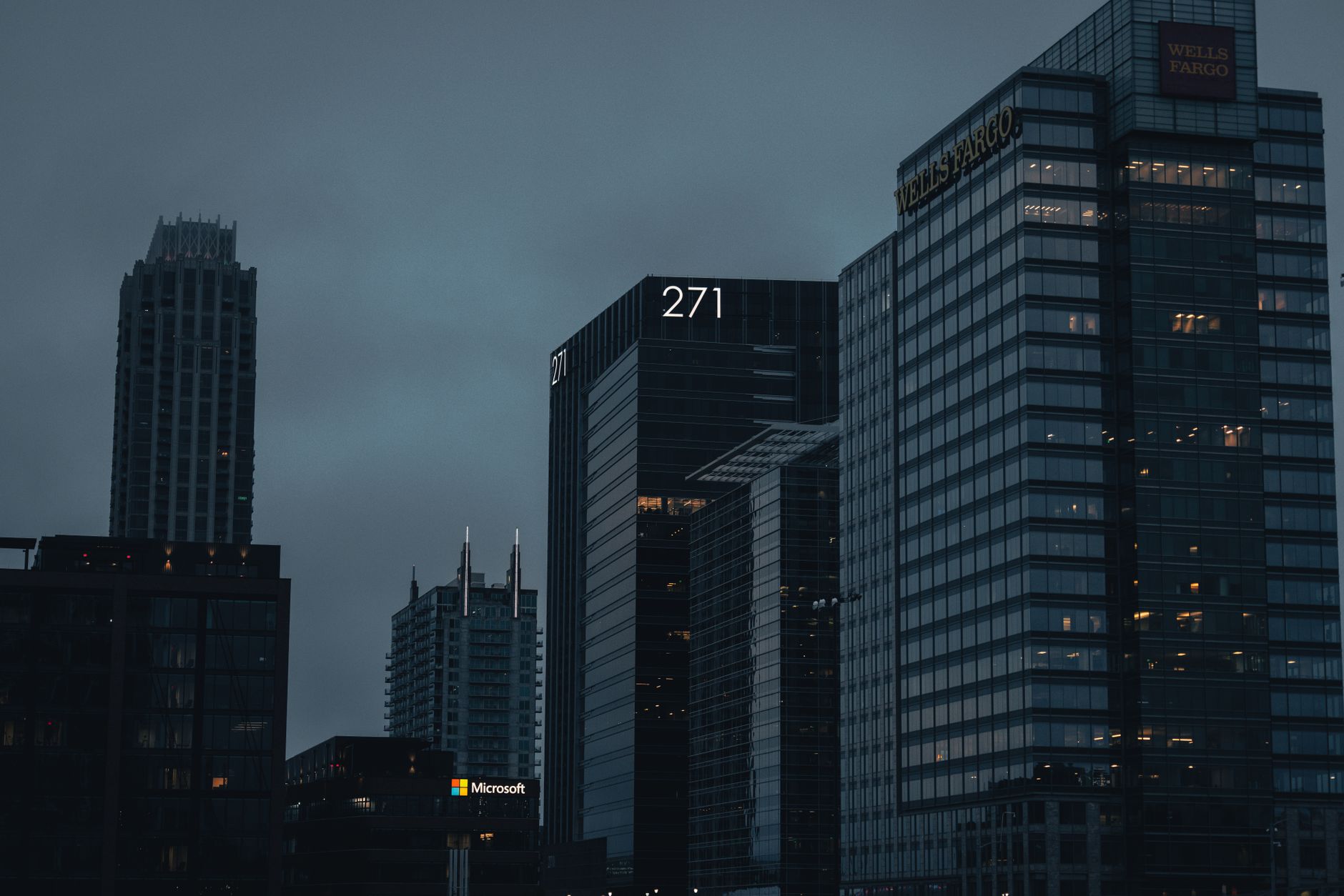
The dispute raises a straightforward question: how much environmental credit should a company receive for improving the land around energy-intensive infrastructure when concerns about its electricity supply remain unresolved?
The available source material is the headline, rather than the underlying article or project documents. Details including the locations, construction schedules, gas supplier, contract terms and Microsoft’s response cannot be established from that material alone.
What the headline says—and what remains unclear
The headline presents wetlands and native gardens as part of a Microsoft effort to make more than 20 data center sites fit more naturally into their surroundings. It describes the approach as biomimicry and characterizes critics’ response as “lipstick on a pig,” connecting that criticism to the reported gas agreement.
Those descriptions leave important distinctions unresolved. The headline does not say whether the wetlands are existing habitats being protected, damaged areas being restored or newly constructed features. Nor does it establish whether the gardens are already installed, under construction or planned.
It also does not establish whether the reported power agreement directly supplies the same facilities covered by the landscaping program. That connection matters: a company-wide comparison can be relevant, but it is not the same as a documented assessment of an individual project.
Landscaping can have benefits beyond appearance
Native planting can serve practical ecological purposes. When species are well matched to local conditions, planted areas can provide food and shelter for wildlife and may require less irrigation or intensive maintenance than conventional ornamental landscaping. Results depend on climate, soil, plant selection and ongoing care.
Wetlands can also perform valuable functions, including retaining stormwater, filtering some pollutants and supporting habitat. Their performance depends on hydrology, design, size and connections to the surrounding landscape. A decorative water feature is not automatically equivalent to a functioning wetland.
For nearby residents, vegetation can change how a large industrial facility looks from roads and homes. But visual screening is a separate outcome from biodiversity gains, water management or emissions reductions. Each requires its own evidence.
That distinction cuts both ways. Calling a project camouflage does not prove its ecological features are worthless. Calling those features nature-based does not demonstrate that the development as a whole has a low environmental impact.
Biomimicry is not a substitute for an energy plan
Biomimicry generally refers to drawing design ideas from biological systems and processes. Native landscaping and ecological restoration can overlap with nature-inspired design, but planting around a building does not, by itself, establish that its architecture or operations mimic an ecosystem.
Data centers need electricity to run computing equipment and supporting systems, including cooling. Their environmental footprint therefore extends well beyond the property boundary to the infrastructure that generates and delivers that electricity.
Natural gas combustion releases carbon dioxide. Producing and transporting gas can also release methane, a potent greenhouse gas. Although gas-fired generation generally emits less carbon dioxide at the power plant than coal-fired generation per unit of electricity, it is not carbon-free.
A reported 20-year agreement consequently raises questions about the duration and structure of fossil-fuel reliance. However, the contract’s length alone cannot establish its total emissions. That would require information about generation volumes, operating patterns, fuel sourcing and the agreement’s actual obligations.
What would substantiate the environmental claims?
A credible assessment would examine the landscaping and energy arrangements separately before considering their combined impact. Useful disclosures would include:
- Site details: which facilities are included, their locations and whether work is proposed or completed.
- Ecological baselines: what habitats existed before development and what was lost, preserved or restored.
- Measured results: evidence of habitat quality, stormwater performance, irrigation needs and long-term maintenance.
- Electricity commitments: the gas agreement’s counterparties, supply arrangements, expected generation and emissions implications.
- Independent oversight: environmental assessments, permit conditions and monitoring that communities can review.
Without those details, the headline supports a discussion of competing environmental priorities, not a definitive verdict on the program’s effectiveness or the power agreement’s full consequences.
The broader accountability question
Large technology infrastructure projects can affect land use, electricity systems and local communities simultaneously. Evaluating them requires more than choosing between an attractive landscape and an industrial building: the relevant questions concern what changed, who benefits and which impacts remain.
Financial accountability is a separate part of that debate. NarwhalTV’s related coverage, Warren Probes Reported $19B in Big Tech Tax Breaks, examines scrutiny of technology-sector tax benefits rather than the ecological performance of these sites.
For Microsoft’s reported landscaping effort, the central distinction remains clear. Wetlands and native gardens can provide local benefits, but those benefits do not cancel emissions from electricity generation. Establishing whether the projects represent meaningful environmental improvements requires site-level evidence—and assessing the reported gas agreement requires the contract details the headline does not supply.