A claim circulating widely on social media and on the r/worldnews forum this weekend states that the United States has destroyed 10 tankers linked to Iran, collectively worth billions of dollars. The post, which carries no named outlet, date, location or operation name, has been shared across platforms since Sunday and has drawn tens of thousands of reactions.
As of publication on October 12, 2026, NarwhalTV has not been able to match the claim to a confirmed announcement from US Central Command, the Department of Defense, the Department of the Treasury, the Iranian government or Iranian state media. Until one of those sources attaches names, dates and vessel identifiers to the story, the correct description is an unverified claim rather than a confirmed event.
What the claim actually says — and what it leaves out
The viral headline contains three assertions bundled together: that the US was the actor, that 10 tankers were destroyed, and that the vessels were worth billions of dollars and linked to Iran. Each element would normally be traceable to a specific document or briefing. In this case, several basic details are absent:
- No location. Tanker incidents are usually tied to a named body of water — the Gulf of Oman, the Red Sea, the South China Sea, the eastern Mediterranean.
- No vessel names or IMO numbers. Every commercial ship carries a permanent seven-digit International Maritime Organization number, which makes verification straightforward.
- No agency attribution. A military action would be announced by a combatant command; an economic action would come from the Treasury Department or the State Department.
- No casualty or crew information. Loaded crude carriers typically operate with 20 to 25 crew members. The destruction of 10 of them would be a major maritime casualty event with immediate insurance, salvage and environmental consequences.
Why the verb matters
One likely explanation for the mismatch between the dramatic framing and the thin sourcing is terminology. In sanctions reporting, phrases such as taken out, knocked out of service or even destroyed have repeatedly been used in aggregated headlines to describe vessels that were added to a sanctions blacklist — not vessels that were physically attacked.
The practical effect of a designation is severe. Once a tanker is listed by the Treasury Department’s Office of Foreign Assets Control, mainstream insurers, classification societies, port agents, bunker suppliers and banks generally refuse to deal with it. The hull remains afloat but its commercial value collapses, because it can no longer call at most ports or obtain protection and indemnity cover. Ten aging very large crude carriers, valued together in the high hundreds of millions to low billions of dollars depending on age and class, could plausibly be described in loose language as a loss of billions. Treasury publishes every designation with vessel names and IMO numbers in its press release archive, which is the first place to check such a claim.
That is one plausible reading, not a confirmed one. A second possibility is that the post garbles an incident involving a different actor or a different region. A third is that it is simply fabricated. Readers should treat all three as open.
The shadow fleet backdrop
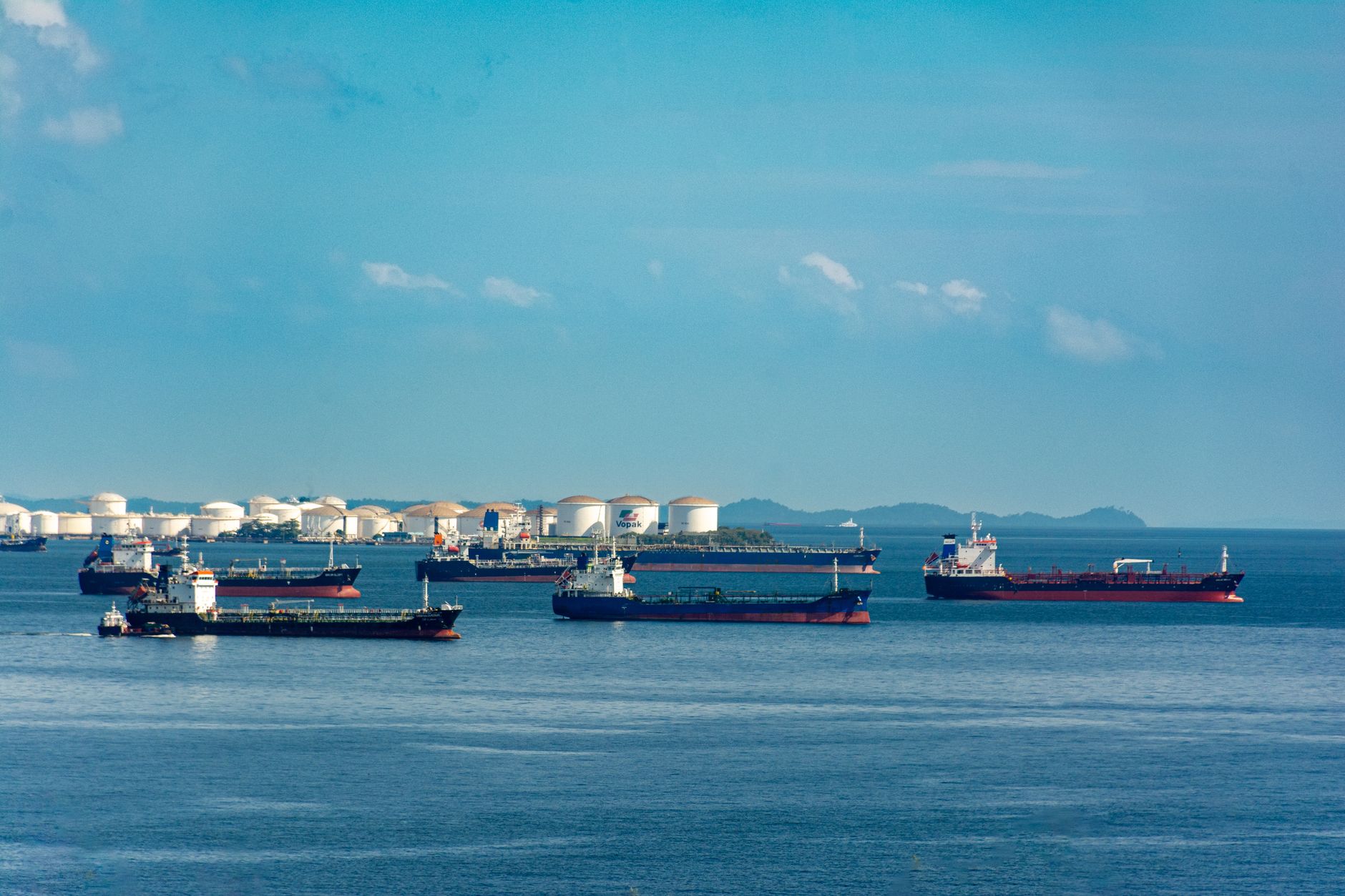
What is well established is the existence of a large opaque tanker network built to move sanctioned oil. Analysts and maritime trackers have documented hundreds of vessels, often more than 15 years old, that operate with frequently changing names, flags of convenience, murky beneficial ownership and insurance arranged outside the traditional London market.
Common operating patterns include:
- AIS manipulation — switching off automatic identification transponders or broadcasting false positions during loading and transfer.
- Ship-to-ship transfers at sea, which blend cargoes and obscure origin before delivery to a buyer.
- Document laundering — reissuing certificates of origin so sanctioned crude arrives labelled as blended product from a third country.
Western governments have responded primarily with designations, port-entry bans, insurance checks and occasional seizures authorised through courts rather than with military force. That distinction is central to assessing the viral claim: a sustained kinetic campaign against 10 loaded tankers would mark a sharp departure from the enforcement toolkit used over the past several years.
Energy market signals
Crude markets are a useful cross-check on maritime claims, because traders react to supply disruption within minutes. The simultaneous destruction of 10 loaded tankers would remove millions of barrels from the market, spike war-risk premiums for shipping through chokepoints and lift freight rates across the board. Readers tracking how quickly oil responds to Gulf tension can review our earlier coverage of crude surging past $100 a barrel amid escalation involving Iran.
Roughly a fifth of global petroleum liquids consumption passes through the Strait of Hormuz, a waterway about 21 miles wide at its narrowest point. That concentration is why even unconfirmed reports of tanker attacks move prices, and why disinformation about the region spreads quickly.
How to verify a claim like this
A maritime incident of this scale leaves a paper trail within hours: command statements, insurer notices, satellite imagery, AIS gaps and port authority bulletins. The absence of all of them is itself information.
Readers can check the following in sequence: the US Central Command and Department of Defense newsrooms for any operational statement; OFAC’s recent actions page for vessel designations with IMO numbers; the International Maritime Organization and relevant flag-state registries for casualty reports; and commercial ship-tracking services for sudden signal loss along known tanker routes. Wire services including Reuters and the Associated Press would also be expected to carry independent confirmation.
What to watch next
Three developments would resolve the claim quickly. First, an official statement naming vessels and a legal basis for any action. Second, Iranian acknowledgement or denial, which has historically followed maritime incidents within a day. Third, measurable movement in tanker freight rates and war-risk insurance quotes for the Gulf.
NarwhalTV will update this report if verified details emerge. Until then, the responsible position is that a dramatic headline is circulating without supporting documentation, and that the gap between a sanctions designation and a military strike is not a matter of semantics.