Estonian Prime Minister Kristen Michal has urged the European Union to help Ukraine dismantle Russia’s oil refining industry, arguing that the facilities bankrolling Moscow’s war should be destroyed rather than merely sanctioned. The comments, reported this week and widely circulated online, place one of NATO’s smallest front-line members at the sharpest edge of a debate European capitals have skirted for more than four years: how far the bloc should go in enabling Ukrainian strikes deep inside Russia.
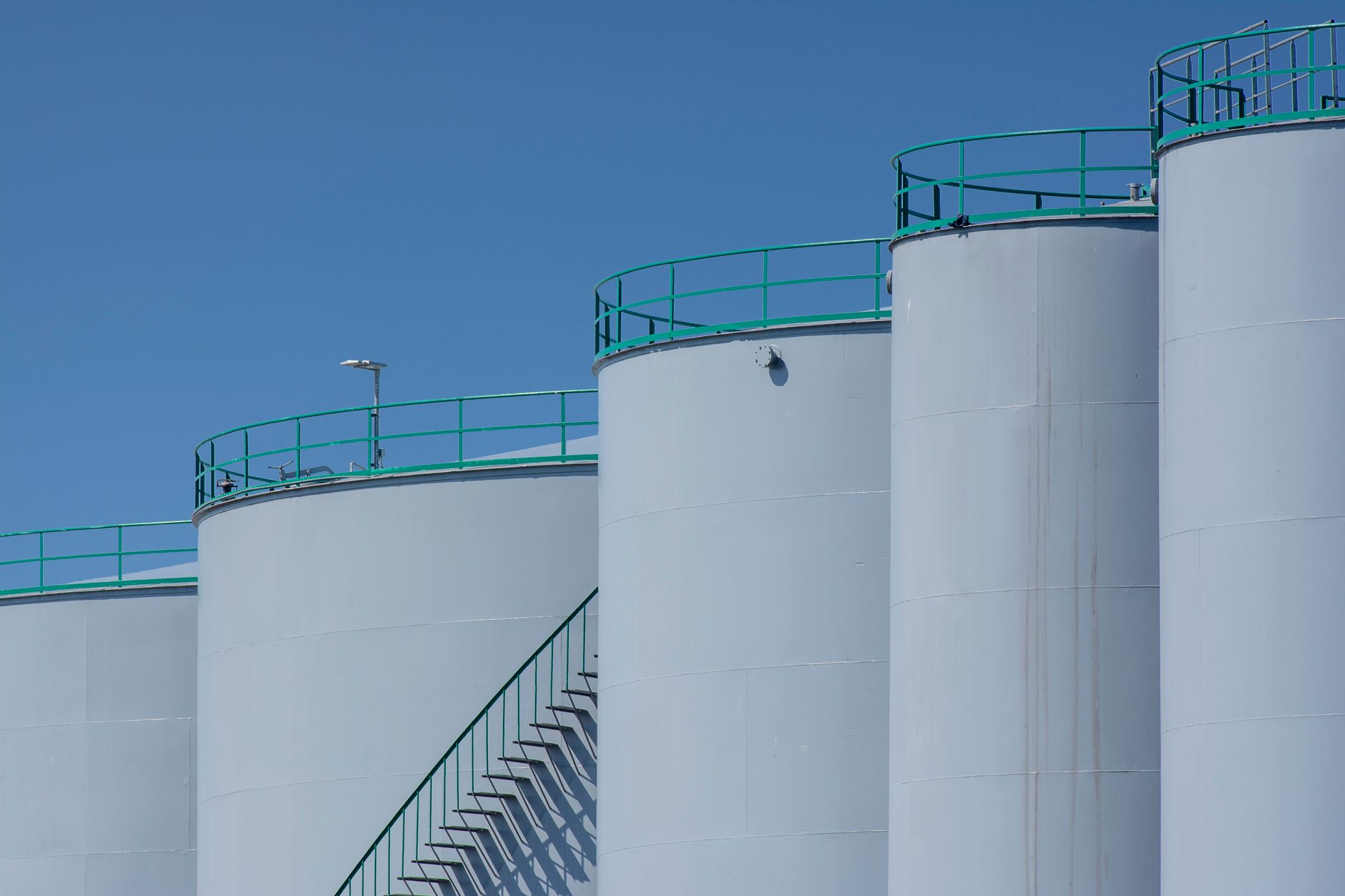
Michal, who leads Estonia’s Reform Party-led government from Tallinn and took office in July 2024, framed refineries as the financial engine of the invasion. In the phrasing that drew attention, he said the installations should be smashed “to smithereens.” NarwhalTV has not independently reviewed a full transcript of the remarks, and the precise setting and wording should be treated as reported rather than verified in full.
Why refineries, and why now
Oil and gas revenue has historically supplied a large share of Russia’s federal budget, and refined products — diesel, gasoline, jet fuel — carry higher margins than crude. That economics explains why Ukraine has shifted much of its long-range drone campaign away from symbolic targets and toward processing infrastructure since 2024.
Through 2025, Ukrainian drones struck refineries and export terminals across European Russia, including facilities in the Ryazan, Volgograd, Samara and Leningrad regions, as well as Baltic and Black Sea loading points. Russian authorities responded by restricting gasoline exports and, in some regions, imposing purchase limits during autumn 2025 fuel shortages. Independent energy analysts estimated at various points that a meaningful share of Russian refining capacity was offline simultaneously, though figures varied widely and Moscow stopped publishing granular output data.
Michal’s argument follows that logic to its conclusion: if sanctions slow Russian revenue, physical damage to refining capacity stops it faster. Critics of that approach counter that it risks global fuel price spikes and gives Moscow propaganda material about Western involvement.
What Estonia is actually asking for
Estonian officials have not described a scenario in which EU or NATO forces strike Russian territory directly. The practical request, as Estonian ministers have articulated it repeatedly, centres on three things:
- Weapons and range. More long-range missiles and drones for Ukraine’s own forces, with fewer restrictions on how they are used against military and military-industrial targets inside Russia.
- Money. Faster movement on using immobilised Russian sovereign assets — roughly €200 billion held in the EU, much of it in Belgium — to fund Ukrainian defence production.
- Enforcement. Tighter action against the “shadow fleet” of ageing, often opaquely insured tankers that move Russian crude above the Western price cap, which the EU and United Kingdom lowered in 2025.
Estonia has been among the most consistent advocates of each. It has also been one of the largest donors to Ukraine as a share of national output, and it raised defence spending to among the highest levels in the alliance.
A front-line state’s threat perception
Tallinn’s position is shaped by geography. Estonia shares a border with Russia, hosts a NATO multinational battlegroup, and has logged repeated incidents in its airspace and maritime approaches.
In September 2025, Estonia said three Russian MiG-31 fighters entered its airspace near Vaindloo island for about 12 minutes without clearance, prompting a request for NATO consultations under Article 4. Similar incidents have unsettled the wider region, including reported Russian jet incursions into Lithuanian airspace that triggered Italian-flown NATO intercepts. Poland, meanwhile, has investigated drone wreckage on its territory, including claims that Polish SIM cards were found in Russian drone components.
Those episodes have fed the Baltic push for a layered air and drone defence network along the eastern flank, often described in Brussels shorthand as a “drone wall.” GPS jamming affecting civil aviation over the Baltic Sea has added urgency.
Where the EU stands
The bloc has adopted successive sanctions packages since February 2022, including measures in late 2025 targeting Russian liquefied natural gas imports with a phase-out timeline and further shadow-fleet listings. Each round has required unanimity among 27 member states, and Hungary and Slovakia have repeatedly extracted carve-outs or delays, particularly on energy.
That unanimity requirement is the structural obstacle behind Michal’s rhetoric. Proposals that would use frozen Russian assets as the basis for a large loan to Ukraine have advanced slowly, with Belgium and the European Central Bank raising legal and financial-stability objections. The European Commission has continued to work on options.
The refinery debate is, in practice, a debate about whether the EU treats Russian energy infrastructure as an economic target or a military one — and whether member states are willing to accept the escalation risk that distinction implies.
The counterarguments
Several governments, including some of Ukraine’s largest backers, have been more cautious. Their concerns fall into familiar categories: the possibility of Russian retaliation against European infrastructure, including undersea cables and pipelines in the Baltic Sea; the effect of reduced Russian refined-product exports on global diesel prices; and the legal question of how directly a non-belligerent state can participate in target selection without altering its status under international law.
Supporters of Ukraine’s strike campaign note that international law recognises a state’s right to self-defence under Article 51 of the UN Charter, and that military-industrial and fuel-supply targets sustaining an invading army are generally treated as legitimate objectives. Ukraine has maintained that its long-range operations are conducted with domestically produced systems where Western restrictions apply.
What to watch
Three near-term indicators will show whether Michal’s appeal gains traction: the content of the EU’s next sanctions package and whether it survives Hungarian objections; movement on the frozen-assets mechanism at upcoming European Council meetings; and the operational tempo of Ukrainian strikes against refining and export infrastructure heading into winter, when Russian domestic fuel demand peaks.
For Estonia, the calculation is straightforward and has not changed since 2022. A government in Tallinn that measures its security in minutes of flight time sees Russian oil revenue as the variable most directly tied to how long the war can continue.