Crude oil held in the US Strategic Petroleum Reserve has fallen below 300 million barrels for the first time in more than four decades, leaving the country’s emergency supply cushion at its thinnest level since January 1983.
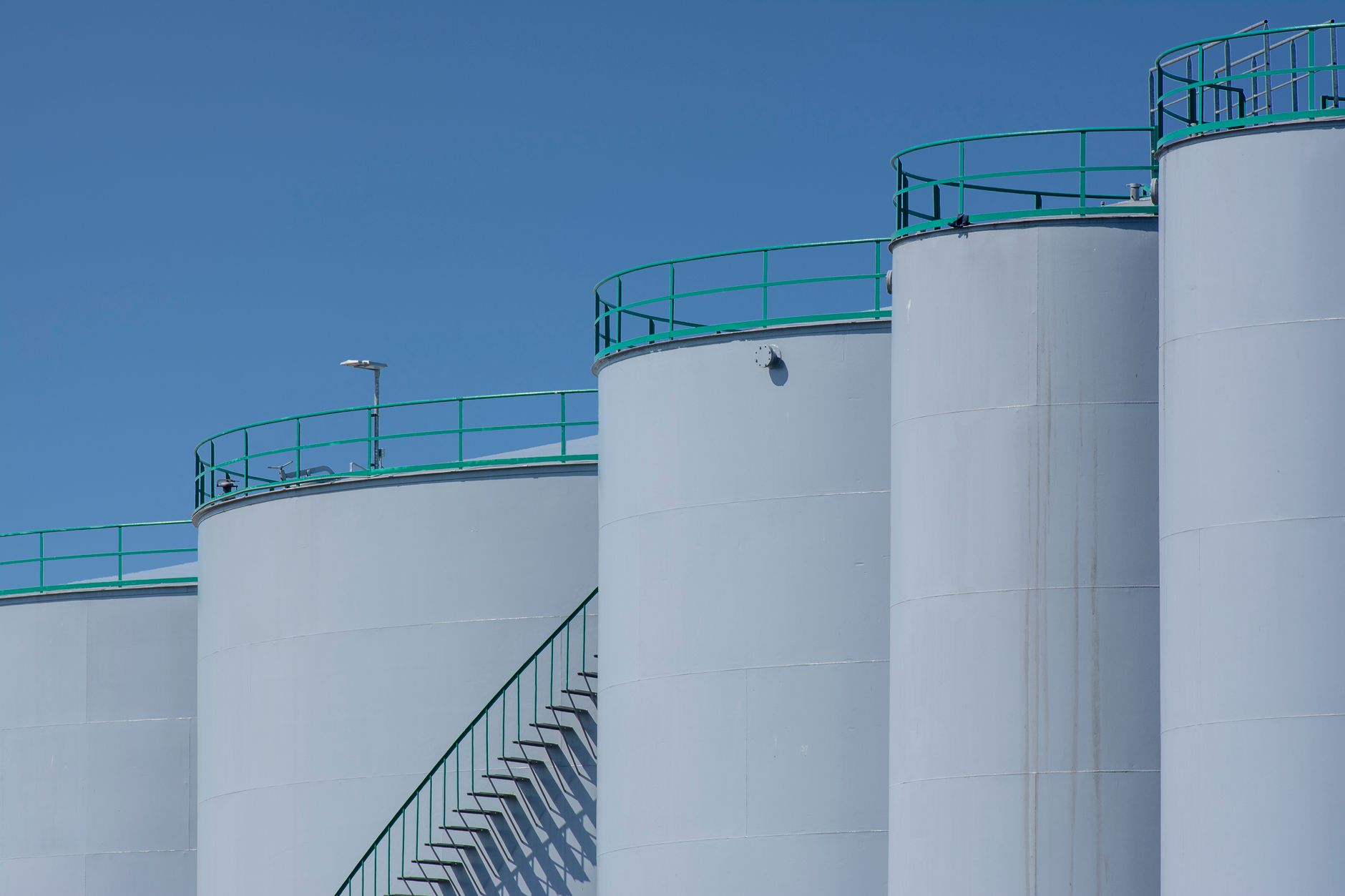
The reserve declined by 6.1 million barrels last week to 298.7 million barrels, according to Department of Energy data released Monday. The SPR was created in 1975, in the aftermath of the Arab oil embargo, precisely to prevent the kind of supply shock the country has spent this year absorbing.
How it got here
The dominant cause is a single decision. In March, President Donald Trump ordered the release of 172 million barrels after Iran choked off oil exports through the Strait of Hormuz, triggering what has been described as the largest disruption of crude oil supplies in history.
The Strait of Hormuz is the chokepoint through which roughly a fifth of global oil consumption passes, in a channel whose shipping lanes are only a couple of miles wide at their narrowest. There is no meaningful bypass capacity: pipeline alternatives across Saudi Arabia and the UAE can move only a fraction of the volume that normally transits by sea. A sustained closure is the single most severe supply event the oil market can experience, and the US response — drawing down the reserve at scale — was the tool the SPR exists for.
That the reserve worked as designed is the fair reading of the past five months. The question now is what happens if it is needed again.
The number under the number
Two facts make the headline figure worse than it appears.
First, the Energy Department has said the minimum volume needed to safely operate the SPR is around 70 million barrels. Below that level the physical system cannot function properly — the reserve stores oil in underground salt caverns along the Gulf Coast, and drawdown depends on pumping water in to displace crude upward. There is a floor beneath which the facility is not a reserve at all.
Second, and more immediately relevant, not all of the remaining 298.7 million barrels can actually be withdrawn. As of December 2025, more than a quarter of SPR inventory was unavailable for drawdown because of a combination of construction outages and cavern outages. Caverns degrade over decades of cycling, and the maintenance backlog at the facility has been a recurring subject of Congressional testimony.
Netting those out, the genuinely deliverable emergency supply is materially smaller than the reported inventory — and the gap between the headline number and the usable number is the part of this story with real consequences.
What the reserve is for
The SPR’s purpose is narrower than its politics suggest. It exists to bridge a physical supply interruption long enough for markets to reallocate cargoes and for producers to raise output — not to manage prices. The US also holds obligations under the International Energy Agency framework to maintain reserves equivalent to 90 days of net imports, though the shale era has changed how that calculation binds for a country that is now a large producer in its own right.
Being a major producer does not make the reserve redundant. Oil is priced globally; a disruption anywhere raises prices everywhere. And domestic production cannot be dialled up quickly — shale wells take months from decision to first oil, and refineries are configured for specific crude grades that domestic output does not always match.
Refilling is the hard part
Rebuilding the reserve has proven considerably harder than drawing it down, for reasons that are budgetary as much as physical.
Purchases require appropriated funds, and buying oil competes with every other line in the federal budget. There is also an unavoidable timing trap: the political appetite to refill is greatest when prices are low, but low prices typically coincide with periods when the urgency has faded. Refill contracts are placed months in advance and executed at market, so a purchase authorised at one price frequently settles at another. Physical intake capacity limits the pace regardless — the reserve cannot absorb crude faster than its infrastructure allows, and that infrastructure is the same aging system currently taking caverns out of service.
A serious refill from current levels would take years and cost tens of billions of dollars at prevailing prices.
The debate this has reopened
The drawdown has revived an argument that predates it. One camp holds that the SPR is a relic of the import-dependent 1970s, that a country producing more than 13 million barrels a day does not need a government stockpile, and that the reserve should be scrapped or shrunk rather than expensively refilled. The counterargument is that the past five months are the exact scenario the sceptics said would not happen, and that a reserve is worth having precisely because the events it insures against are rare and severe.
Both positions have to contend with the same physical constraint: the caverns are aging, and maintenance costs accrue whether the reserve is full or empty.
What to watch
The weekly DOE inventory release is the primary indicator — specifically whether the decline has stopped or is continuing at the recent pace. Beyond that: any appropriation request for refill purchases, updated figures on how much inventory remains unavailable for drawdown, and the status of the Hormuz corridor itself, since the reserve’s adequacy is entirely conditional on whether it is called on again.
Energy supply constraints are colliding with rapidly rising industrial demand elsewhere in the economy, including the power requirements behind projects such as Amazon’s Texas AI power plant.