Tesla is recalling more than 20,000 vehicles in the United States after federal regulators determined that the cars’ low-beam headlights shine brighter than allowed under safety standards, according to a report published by Reuters on August 11, 2026. The excessive brightness can create glare that temporarily impairs the vision of oncoming drivers, raising the risk of a crash.
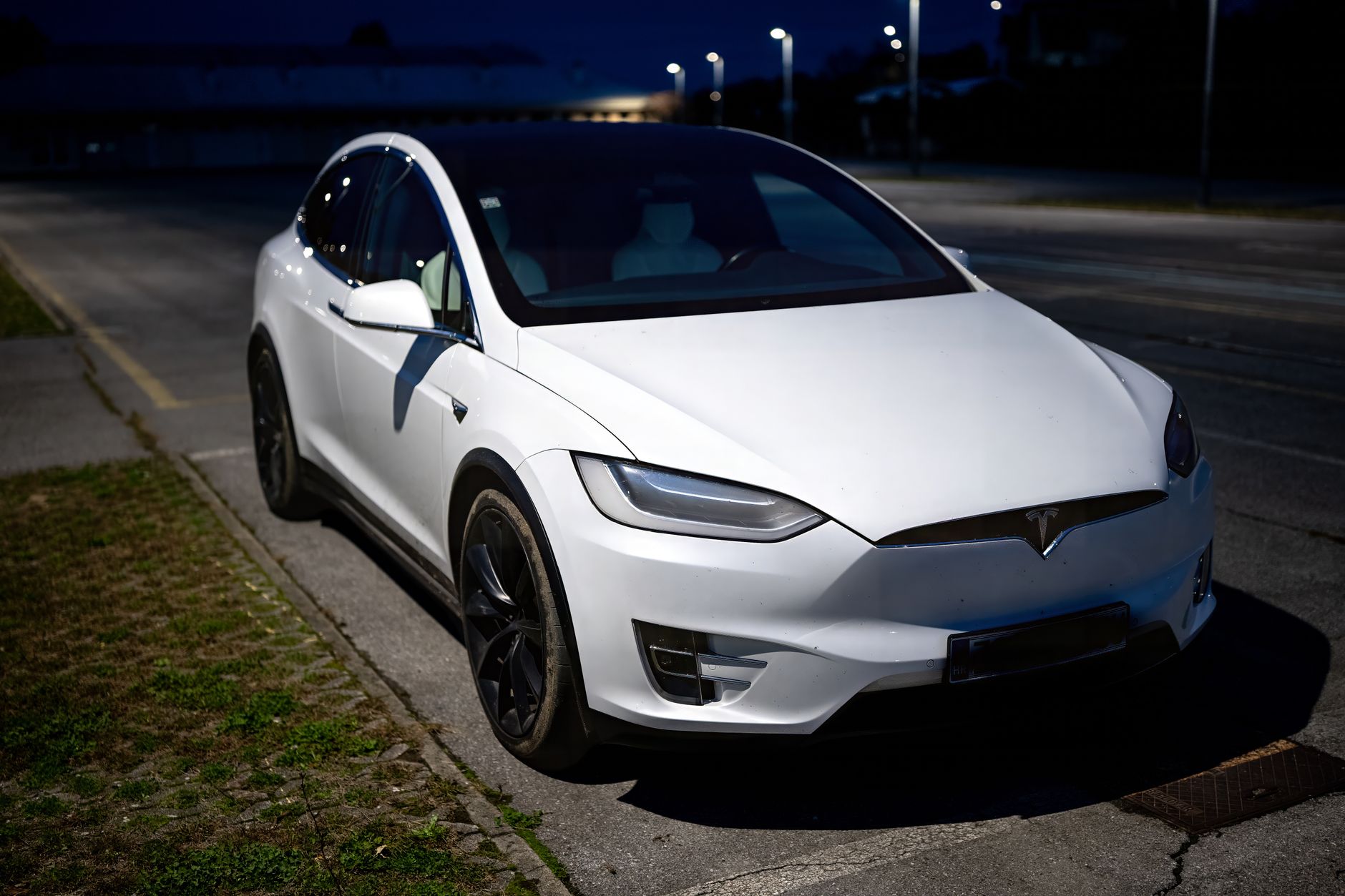
The recall was filed with the National Highway Traffic Safety Administration (NHTSA), which oversees vehicle safety compliance in the U.S. and requires automakers to notify owners and provide a remedy when a defect is identified.
What Triggered the Recall
According to the filing, the affected vehicles’ low-beam headlights exceed the maximum brightness levels set out in Federal Motor Vehicle Safety Standard No. 108, which governs lamps, reflective devices, and associated equipment. Headlights that are too bright can dazzle drivers approaching from the opposite direction, especially on unlit roads at night, reducing their ability to see pedestrians, cyclists, or obstacles in time to react.
Tesla has not linked the defect to any confirmed crashes or injuries, but regulators treat glare-related headlight issues as a genuine safety concern because they affect the reaction time of drivers who are not even operating the vehicle in question.
The Fix: Another Over-the-Air Update
As with many recent Tesla recalls, the company plans to resolve the problem through a free over-the-air software update rather than requiring owners to bring their vehicles into a service center. Tesla has increasingly relied on remote software fixes to address recalls ranging from acceleration and braking software glitches to seatbelt warning chimes, a practice that keeps repair costs low and avoids the logistical strain of dealership visits.
Owners of affected vehicles will be notified directly by Tesla, and the update is expected to adjust headlight output automatically once installed. NHTSA recall notices typically instruct owners to contact the manufacturer if they have questions about eligibility or the timeline for the fix.
A Pattern of Frequent Recalls
Tesla has filed a large number of recalls in recent years, though the vast majority have been resolved through software pushes rather than mechanical repairs. Critics argue the sheer volume of recalls points to quality-control issues in Tesla’s engineering and testing processes, while the company and its supporters counter that software-based fixes make it easier to identify and correct problems quickly compared with traditional automakers, who often require physical part replacements.
Glare-related headlight defects are relatively uncommon among large-scale recalls, but NHTSA has pursued similar actions against other automakers when lighting systems failed to meet federal brightness limits.
The recall lands at a difficult moment for Tesla, whose stock has faced intense scrutiny following a string of disappointing financial results. The company’s shares plunged after a grim earnings report earlier this year, and any additional negative headlines around vehicle quality or safety compliance tend to draw outsized attention from investors and the press alike.
What Affected Owners Should Do
- Check for a recall notification from Tesla via email, the Tesla app, or physical mail.
- Confirm the over-the-air software update has been installed by checking the vehicle’s software version in the settings menu.
- Contact Tesla support directly if no notice has arrived but the vehicle may be within the affected build range.
- Owners can also search their Vehicle Identification Number (VIN) on NHTSA’s recall lookup tool to confirm eligibility.
Why It Matters
Headlight glare has become a growing focus for U.S. safety regulators as vehicles have adopted brighter LED and matrix-style lighting systems in recent years. While these technologies can improve visibility for the driver behind the wheel, poorly calibrated systems can create hazards for everyone else on the road. NHTSA has previously flagged similar concerns across the auto industry, and the Tesla recall adds to a broader conversation about balancing driver visibility with the safety of oncoming traffic.
For now, Tesla owners with affected vehicles are advised to watch for the forthcoming software update, which the company says will correct the headlight brightness without requiring a service appointment. NHTSA will continue to monitor the rollout to confirm the fix brings the vehicles back into compliance with federal lighting standards.