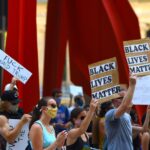
Several Texas anti-ICE protesters convicted on terrorism charges have been sentenced to a minimum of 50 years in prison, The Guardian reported on June 23, 2026. The sentences stem from a demonstration at the Prairieland Detention Center, an ICE facility in Alvarado, Texas, where protesters were accused of actions prosecutors framed as domestic terrorism.

The most striking detail buried in the coverage: the terrorism statutes applied in this case are the same ones Texas lawmakers originally designed to prosecute organized crime and mass violence — not protest activity. Their use against demonstrators marks one of the most severe applications of such laws to political protest in recent American history.
What Happened at the Prairieland Detention Center
The Prairieland Detention Center, located south of Dallas, holds individuals detained by U.S. Immigration and Customs Enforcement. Protesters gathered at the facility as part of broader nationwide demonstrations against ICE detention practices. Texas authorities alleged that a subset of protesters committed acts that crossed from demonstration into criminal conduct, leading to the terrorism-related charges.
The specific charges included counts tied to Texas’s anti-terrorism statutes, which carry mandatory minimum sentences far exceeding those of most violent felonies. Prosecutors argued the defendants’ conduct endangered lives and qualified as terroristic threats or acts under state law. Defense attorneys pushed back forcefully, arguing the charges were a gross overreach and that their clients were exercising constitutionally protected rights.
Sentences That Shocked Legal Observers
The convicted individuals each received sentences of at least 50 years — a term that legal observers described as extraordinary for protest-related conduct. Unlike federal terrorism cases that often involve weapons or mass casualty plots, this prosecution centered on a demonstration at a detention facility.
Civil liberties groups condemned the sentencing immediately. The severity of the punishment has drawn comparisons to sentences handed down for murder and other violent offenses in Texas, raising questions about proportionality that are likely to fuel years of appeals.
The outcome has already prompted calls from advocacy organizations for state and federal review of how terrorism statutes are applied to protest activity across the country. Similar debates have emerged in other states where broadly written anti-terrorism laws exist on the books.
A Broader Debate Over Protest and the Law
The Prairieland sentencing lands in a charged national climate around immigration enforcement and the right to protest. Texas ICE protesters and their supporters argue that demonstrating outside a detention facility is a fundamental expression of free speech. Prosecutors and state officials counter that the law draws a clear line between protected speech and conduct that threatens public safety.
Legal scholars note that the application of terrorism charges to protest cases has accelerated in several states since 2020. Whether these laws are constitutional as applied to demonstrators — rather than to those planning acts of mass violence — remains an open and contested legal question that federal courts have yet to fully resolve.
Workers’ rights and immigration advocates have also drawn parallels to other high-stakes labor and civil disputes. For context on how legal pressure affects vulnerable groups differently, see NarwhalTV’s earlier coverage of South African guest workers caught in a wage dispute at a US farm — another case where legal systems intersected with immigration status in consequential ways.
What Comes Next for the Defendants
Defense attorneys have indicated they will appeal the convictions and sentences. They plan to challenge both the application of the terrorism statutes and the proportionality of the punishment under the Eighth Amendment’s prohibition on cruel and unusual punishment.
Given the length of the sentences, the appeals process could take years and may ultimately reach federal courts. Legal advocates are also calling on the Texas legislature to revisit how the state’s anti-terrorism laws are written, arguing that the current language is broad enough to criminalize a wide range of protest activity.
The case has drawn attention from national civil liberties organizations, and observers expect it to become a reference point in ongoing policy debates about the limits of protest, the scope of state terrorism laws, and the treatment of immigration detainees. International human rights groups have also taken note — at a moment when scrutiny of detention practices and civil liberties in democratic countries is particularly intense, as seen in political upheaval reshaping governments across the democratic world.
The defendants remain incarcerated while their legal teams prepare appeals. No date has yet been set for the next stage of proceedings, but given the public profile of the case, the courtrooms involved are unlikely to stay quiet for long.