Images chosen by Narwhal Cronkite
Why Political Overconfidence Thrives Among the Least Informed
In a political landscape increasingly shaped by misinformation and ideological echo chambers, new insights reveal an unsettling phenomenon: the individuals with the least political knowledge tend to have the highest levels of unwarranted confidence in their grasp of the facts. According to an analysis published by PsyPost, this trend is particularly prevalent among those leaning toward conservative ideologies. This revelation holds sobering implications for how misinformation propagates and disrupts meaningful political discourse.
The Overconfidence-Conservatism Connection
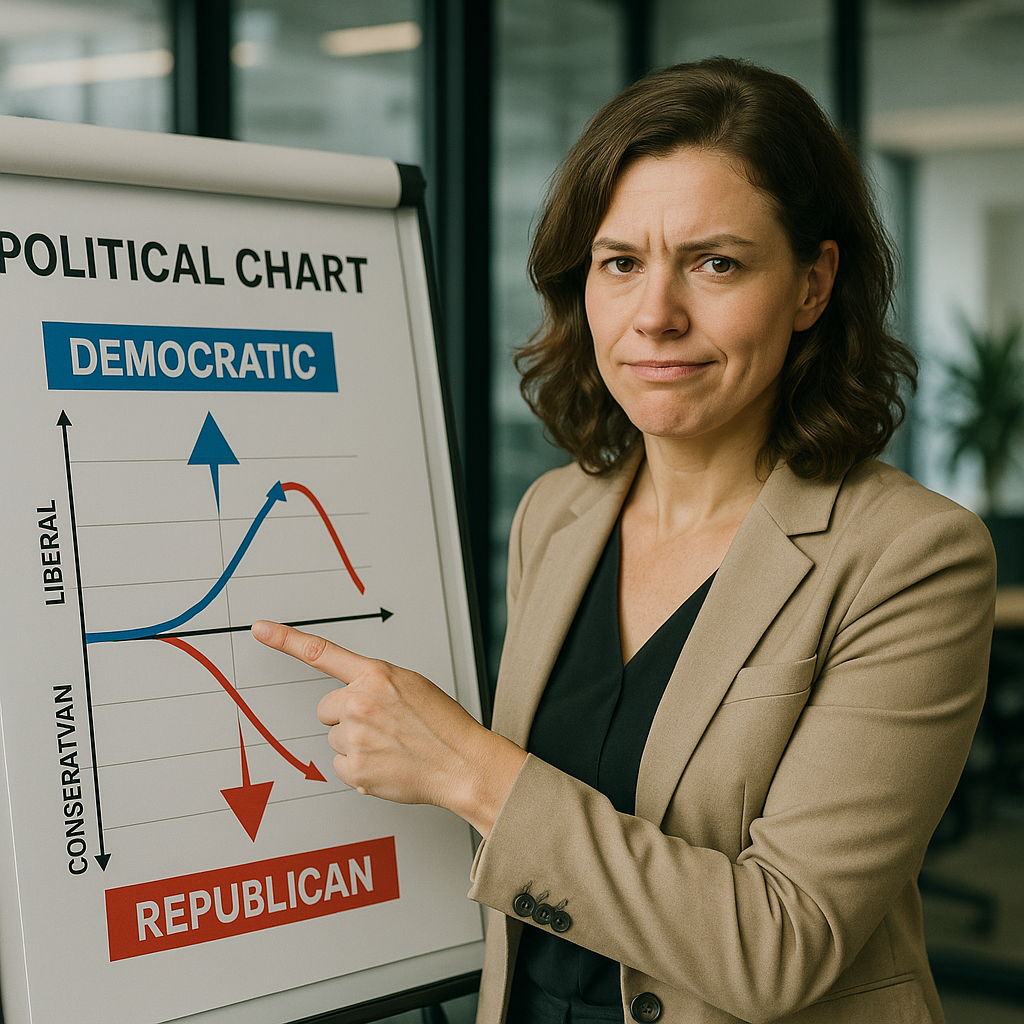
Studies examining political knowledge have identified a peculiar trend. Those who exhibit the lowest objective understanding of politics often express the greatest confidence in their opinions. This paradox is further amplified in conservative-leaning groups, where higher self-assurance in misinformation seems particularly entrenched. This phenomenon may be tied to cognitive biases and social reinforcement within ideological groups.
One potential factor is belief perseverance, the psychological tendency to cling to pre-existing views in the face of contradictory evidence. Coupled with conservative media ecosystems that sometimes prioritize ideology over fact-based reporting, individuals can be emboldened in their mistaken beliefs rather than exposed to alternatives. As reported by NPR in its coverage of UN Security Council meetings, conservative figures often present confident, simple narratives, even when the underlying issues are far more complex. This approach may inadvertently fuel overconfidence among followers.
Misjudgment and the Dunning-Kruger Effect
Researchers frequently associate this pattern with the Dunning-Kruger effect—a cognitive bias where individuals with lower ability mistakenly assess their own competence as being higher than it truly is. In the realm of politics, this means that those who know less are often more prone to thinking they know it all. This can have significant consequences, particularly in democratic societies where public opinion shapes crucial policy decisions.
In one stark example cited by Gizmodo, prediction markets showed how unchecked overconfidence can lead to tangible economic impacts. A group of traders profited significantly by betting on military actions, specifically U.S. strikes on Iran, banking on a misreading of geopolitical complexities. While these traders may not have been the least informed, the interplay between superficial understanding and high confidence creates a volatile environment for critical decisions.
The Role of Echo Chambers
Echo chambers—communities where individuals are exposed primarily to information that reinforces their existing beliefs—exacerbate the problem of political overconfidence. These environments, prevalent on social media but also visible in traditional media outlets that cater to partisan audiences, enable misinformation to thrive unchallenged.
As highlighted by The Verge, AI technologies are poised to deepen such divides. A secret AI conference in New Orleans revealed how artificial intelligence could be weaponized to manipulate political ideologies, further nudging individuals toward unwarranted certainty. These developments are troubling in an era when trust in institutions is waning, and rapid technological advancements are outpacing regulatory frameworks.
Implications for Democratic Societies
Political overconfidence has broad implications for democratic societies. Confidence in false or partial information undermines informed civic participation and allows populist rhetoric to dominate political discussions. The phenomenon also carries risks for policymaking, as leaders unable or unwilling to challenge their followers’ baseless convictions may double down on flawed policies to preserve their credibility among key demographics.
The Wired report on password managers suggests another angle to consider: the erosion of trust in systems meant to safeguard critical information. Whether in cybersecurity or politics, uninformed confidence can fuel reckless decisions, ultimately leaving institutions—and societies—vulnerable.
What Comes Next?
Addressing political overconfidence requires a multipronged approach. Key measures include robust education on media literacy, targeted fact-checking initiatives, and fostering environments where nuanced discussion thrives rather than polarized rhetoric. As political analysts note, combating misinformation will also demand greater cooperation across ideological divides, a goal that can seem elusive but is increasingly urgent.
Technological developments, particularly those involving artificial intelligence, will play an outsized role in shaping political understanding in the coming years. As observed at the New Orleans AI conference covered in The Verge, there is growing recognition of AI’s ability to influence political thought—and perhaps mitigate dangers if harnessed responsibly. For now, however, the challenge remains rooted in encouraging humility in political dialogue.
As societal upheavals show no signs of abating, the need for informed, reflective political engagement is greater than ever. It’s worth remembering an old adage: “A little knowledge is a dangerous thing.” The call to action is clear—empower more people with the tools to learn, question, and grow, rather than simply believe.