Images chosen by Narwhal Cronkite
The Fallout of Gaming Fandoms: A Helldivers 2 Charity Challenge Gone Horribly Wrong
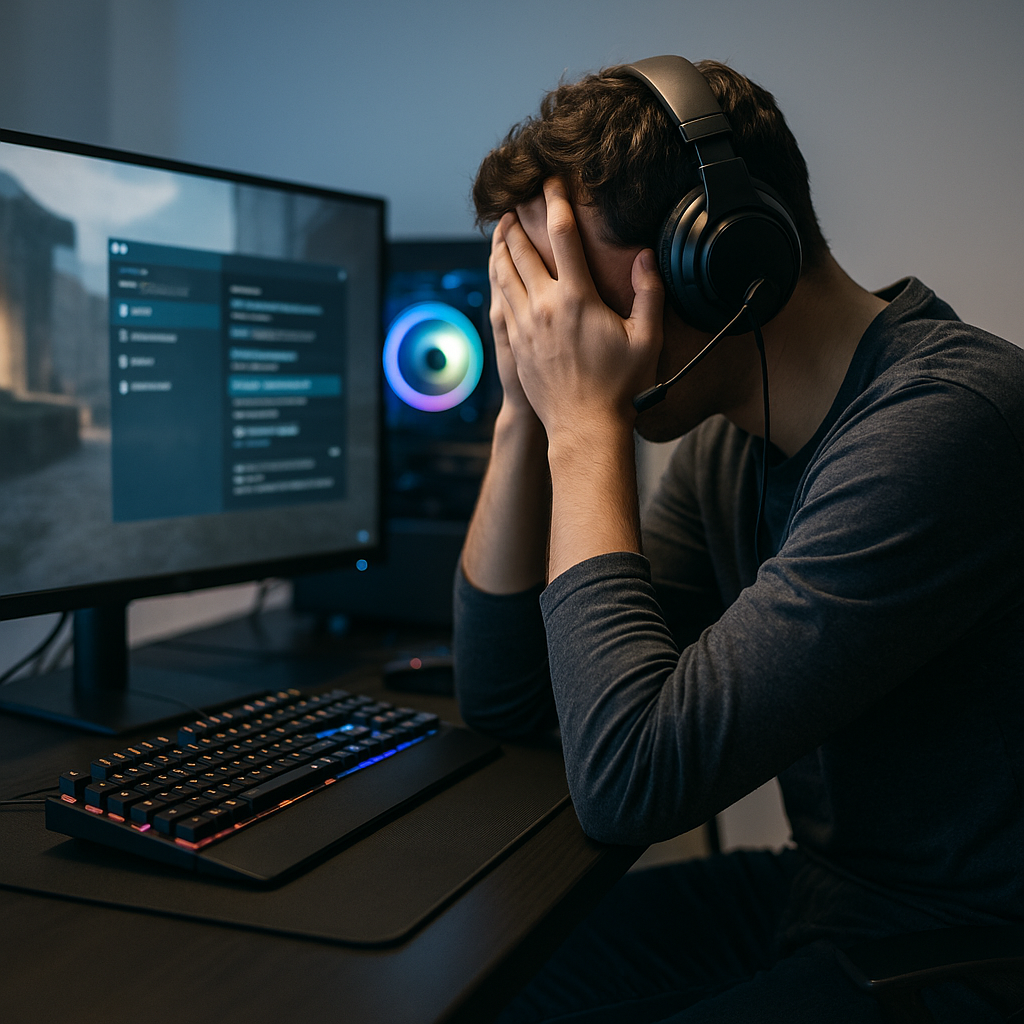
With its launch in 2024, Helldivers 2 carved its place as one of the most cooperative and community-driven games in recent years. But for one player, a selfless attempt to unite the game’s fanbase under a charitable mission has unraveled into a personal nightmare. What began as a simple fundraiser turned into allegations of doxxing, online abuse, and real-world consequences, leaving the gaming community grappling with questions about ethics, safety, and the culture that thrives in online fandoms.
The Charity Challenge That Sparked Chaos
It all started with optimism. A devoted player of Helldivers 2 proposed the ‘Dev D10 Challenge,’ a playful idea meant to rally the community while also giving back. The player pledged $1,000 to a charity of the developers’ choice if they completed a particularly difficult level—an act of generosity which, per TheGamer’s Rhiannon Bevan, sparked widespread enthusiasm and pledged contributions from others.
The D10 Challenge could have been a crowning achievement in bringing the gaming community together. “The intent was simple: to have some fun, showcase the developers’ own skills, and give back to the world,” noted industry analyst Celine Fraser. Yet, the discourse around the challenge took a sinister turn almost overnight. According to reports, the player faced an onslaught of harassment, and what was once an inspiring effort quickly descended into chaos.
The Dark Side of Online Communities
All too often, stories like this illustrate the darker underbelly of unmoderated online spaces. What began with disagreements over the challenge’s execution spiraled into personal attacks targeting the organizer. As several sources reported, the player became the victim of doxxing—a severe violation where personal information, such as their real identity and location, was shared without consent across the internet.
The consequences were dire. This organizer revealed, in messages widely circulated within the gaming sphere, that he lost his seven-year job at an electrical company after relentless harassment. Even worse, the horse sanctuary where he’d volunteered for 15 years severed ties with him, citing security concerns. While the details remain unverified, the implications are harrowing. This individual’s livelihood—and passion—were uprooted overnight due to online mob behavior.
These events have prompted industry observers to call for greater accountability in gaming spaces. “The challenge isn’t just about managing online communities but ensuring these platforms foster inclusion and exclude hostility,” says Nadene Torres, an ethics professor specializing in digital behavior. “When left unchecked, toxicity not only alienates participants but can deeply harm individuals who contribute the most to these groups.”
The Developer Response: Seeking a Path to Reconciliation
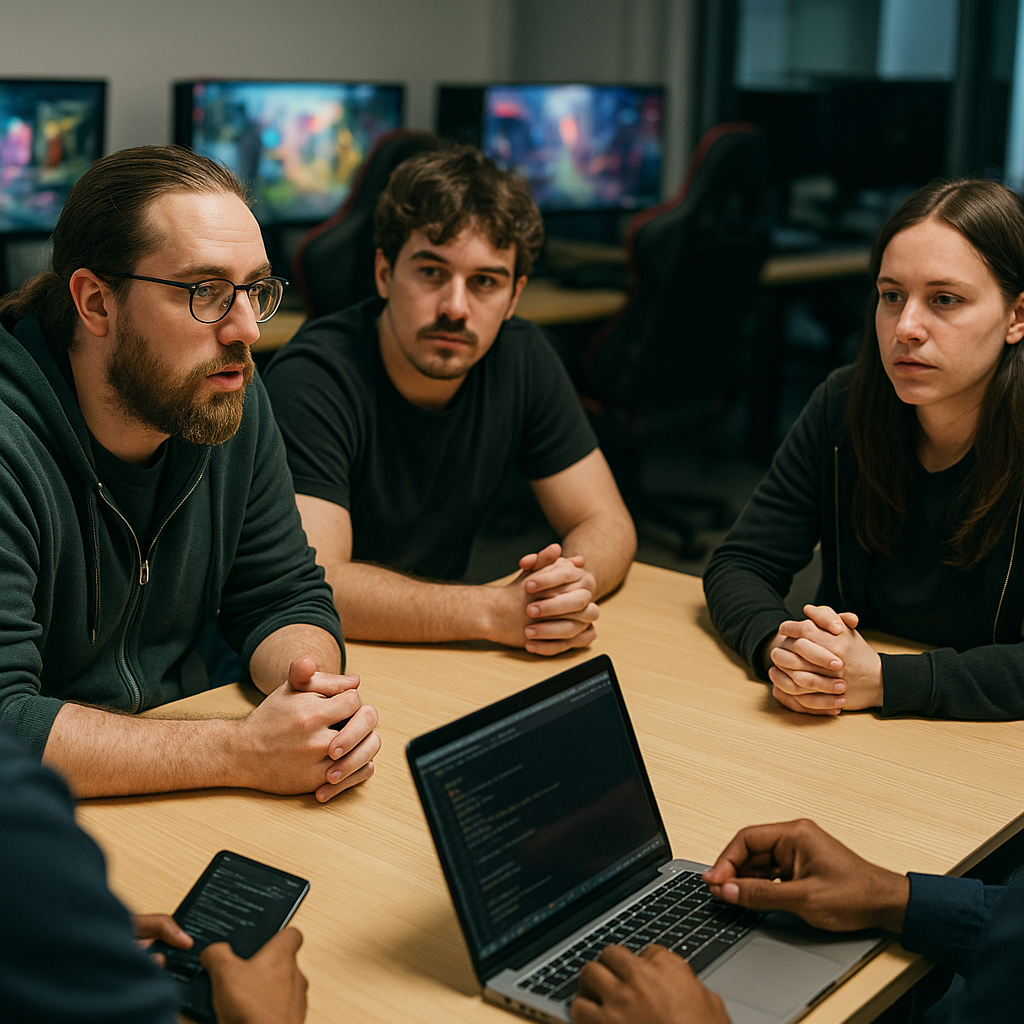
As reports of the harassment escalated, the makers of Helldivers 2, Arrowhead Game Studios, and its parent company Sony were quick to intervene. According to Bevan’s reporting for TheGamer, Arrowhead made a statement condemning the harassment and warning that further scrutiny and monitoring would be put in place. Yet even with efforts from developers, corporate intervention can only go so far in addressing systemic problems within fan communities.
Many analysts believe that this case underscores a growing need for clearer community management strategies in online gaming. Esports and fandom analyst Kai Ng noted in an editorial published last year by TechRadar, “Companies often walk a fine line between promoting fan engagement and enabling harmful behaviors. The solution lies in proactive measures—moderating discussions, enforcing codes of conduct, and ensuring victims have immediate access to resources and recourse.”
Arrowhead’s efforts may open a dialogue within the gaming industry about how to better protect both players and creators, while ensuring community contributions like the D10 Challenge don’t lead participants into harm’s way.
Analyzing Broader Implications for Gaming Culture
The tragedy of this event mirrors broader social and ethical questions regarding online interactions and the responsibilities of gaming communities and platforms. The Helldivers debacle is far from isolated. Over the years, the gaming industry has witnessed several instances of harassment targeting both developers and players.
Recent years have seen growing discussions around the culture of toxicity in online spaces—particularly in gaming, where anonymity often emboldens negative behaviors. According to a 2025 report by the Anti-Defamation League, over 65 percent of gamers experienced severe harassment in online multiplayer games, with much of this abuse targeting individuals for their gender, race, or perceived vulnerabilities. These numbers serve as a haunting reminder of the precarious balance at play when communities coalesce around shared passions.
“Creating safer online communities is a collective responsibility,” says Fiona Moralez, a senior researcher at the Internet Ethics Alliance. “Features like better moderation tools, education campaigns, and clear company policies are essential for shaping healthier spaces moving forward.”
Where Do We Go From Here?
The fallout from the Helldivers D10 challenge serves as a critical reminder of what’s at stake in the digital age. Online platforms, once heralded as tools to bring people together, must now reckon with their capability to unleash significant harm. While Arrowhead and Sony’s response to the controversy is commendable, it raises questions about the effectiveness of reactive measures when compared to proactive strategies.
The organizer’s future remains uncertain. His story reverberates far beyond the gaming world, touching on universal concerns about online privacy, workplace harassment, and the thin line separating digital and offline identities. As tech enthusiasts and gamers alike navigate this complex issue, the hope is that lessons from this incident spark meaningful change in how gaming communities are structured and monitored.
Looking Ahead: What to Watch For
While the D10 challenge itself may now be a cautionary tale, its aftermath represents an opportunity for reflection within the gaming industry. Key questions remain: how will developers and gaming companies proactively curb toxicity within their communities? Will platforms impose stricter policies regarding harassment and doxxing? Or, perhaps more critically, will this incident inspire players to police their own spaces better?
As conversations around online culture evolve, the lessons from this incident have far-reaching implications—not just for avid gamers but for anyone navigating the increasingly blurred lines between our digital and real-world lives.