Images chosen by Narwhal Cronkite
A Workplace Conundrum: Respecting Boundaries or Managing Responsibility?
In today’s workplaces, where inclusivity and professionalism collide with personal challenges, it can be difficult to navigate conversations about health and productivity without crossing boundaries. A recent incident involving a manager’s conversation with an assistant during a business lunch has sparked heated debates about professionalism, sensitivity, and implicit bias, providing insight into the complex dynamics of workplace ethics.

The Incident: A Case of Concern or Overreach?
The situation unfolded during a professional lunch where a manager observed their assistant, who identifies as overweight, choosing a meal that the manager thought inappropriate given their health history. Concerned about the assistant’s dietary choices, the manager decided to broach the topic, but the conversation didn’t go as intended. To their surprise, the dialogue brought the assistant to tears, raising questions about the line between constructive feedback and personal intrusion.
This scenario opens a much larger conversation: When, if ever, is it appropriate to speak to a colleague or subordinate about their health choices? Is it even proper for such discussions to arise in the workplace, or does it undermine inclusivity and trust?
The Balance Between Leadership and Sensitivity
Leadership often involves making uncomfortable decisions, but modern workplaces also highlight the importance of creating an environment that feels supportive and fair. According to research published by the Harvard Business Review, the key to managing such situations lies in fostering mutual trust without micromanaging personal choices.
“Leaders need to model empathetic discussions while maintaining a focus on professional boundaries,” says Dr. Suzanne Harris, a workplace relations expert. She explains that conversations about health or personal choices must only occur if they directly impact workplace productivity or the individual’s role. Otherwise, such discussions could be seen as an overstep of authority.
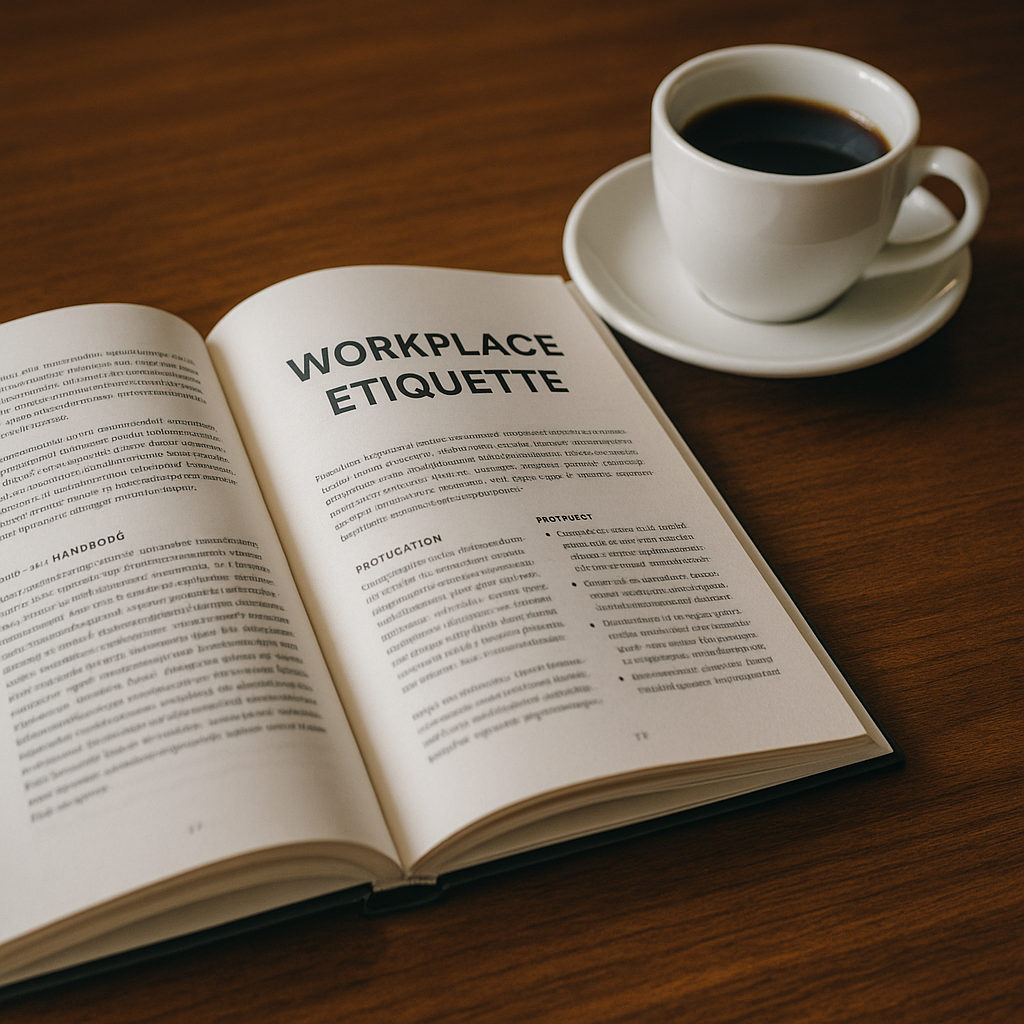
The Role of Weight Bias and Professional Bias
An underlying issue in this case could relate to subconscious weight bias. Research shows that individuals with higher body weights are often subjected to unfair assumptions regarding their competence, health, or self-discipline. A 2019 study published in The Lancet revealed that nearly 63% of professionals in corporate environments face some degree of weight-related bias.
“Weight bias in workplaces can take various forms—comments, limited career opportunities, or even something as minor as social exclusion during team building,” notes Maria Templeton, an anti-discrimination advocate at the Workplace Inclusion Network. While such biases are often unintentional, they can reinforce harmful stereotypes and affect employee morale, as demonstrated by this incident.
How Managers Can Approach Health Discussions Professionally
So, what should a manager do if they are concerned for their team member’s health or lifestyle choices? Experts agree that intention and context matter greatly. According to Paul Lieberman, author of Empathy in the Office, the best approach is to create a safe and judgment-free environment rather than singling out employees for their choices.
He advises that managers focus on offering supportive health-related programs at an organizational level, such as corporate wellness initiatives or access to better resources, rather than addressing anyone’s health personally. “It helps to pass the onus of initiative onto the employees themselves,” Lieberman adds.
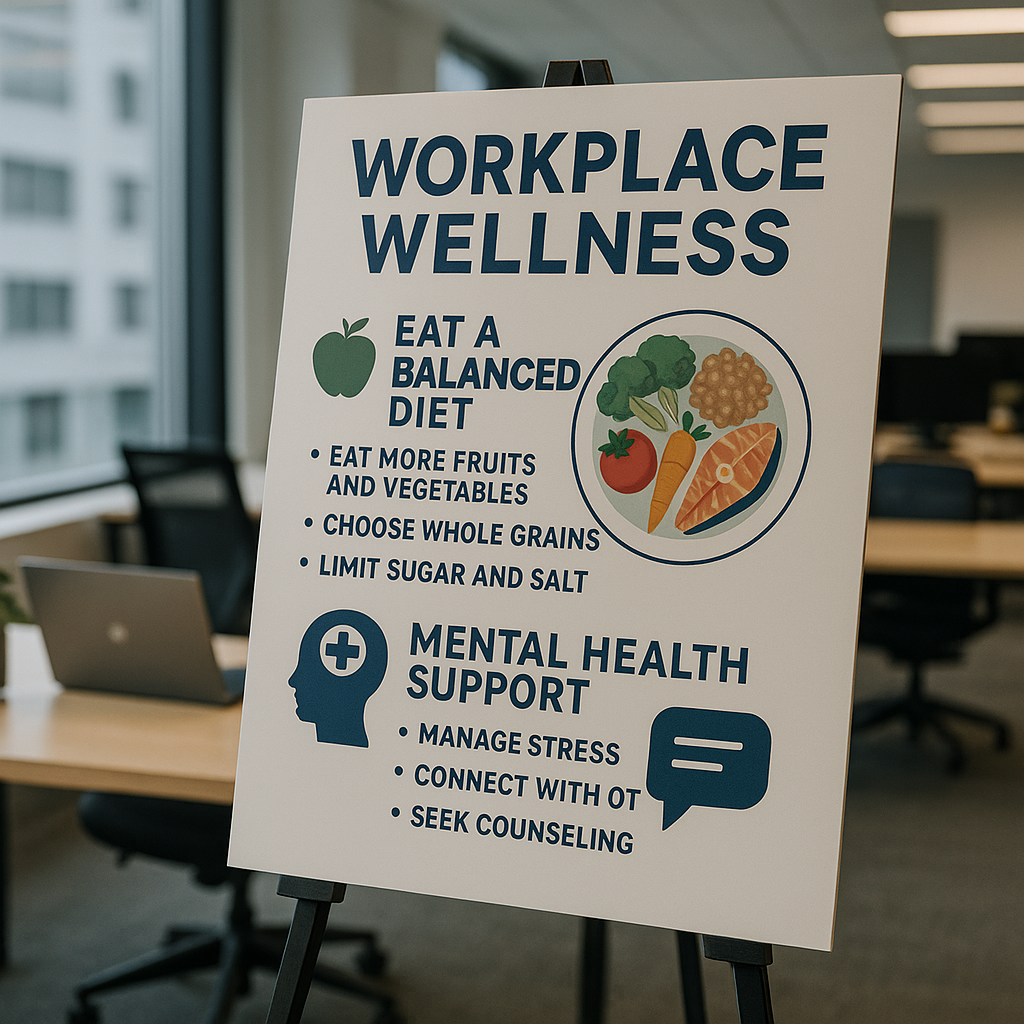
The Implications for Workplace Culture
What this story highlights is not just a single unresolved incident but also broader cultural questions about workplace boundaries. Should workplaces take a more hands-on approach when it comes to personal well-being if it risks alienating employees? Should they impose stricter guidelines on what constitutes appropriate versus inappropriate discussions?
The answers to these questions will undoubtedly shape future corporate policies. As companies increasingly prioritize diversity and inclusion, fostering a respectful and healthy workplace might mean redefining leadership styles, reevaluating wellness program implementation, or even training leadership to deal more effectively with sensitive topics. For organizations, the moral and legal risks of alienating employees—even unintentionally—are too high to be ignored.
Looking Ahead: Striking the Right Balance
The debate surrounding this case is emblematic of the delicate line corporate leaders must walk in today’s professional environment. Sensitivity, while vital to fostering a respectful workplace, must always be balanced with broader considerations about how individual and collective goals align. Observers suggest that the key to resolving such situations lies in reflecting deeply on the impact of words, the intentions behind them, and the broader cultural implications of such conversations.
As workplace culture continues to evolve, finding the middle ground will become increasingly essential—managers will need practical guidelines, and employees will need empowering workplaces where health and productivity coexist without judgment. What’s certain is that the dynamics of leadership are continuing to change, and navigating them ethically will require empathy and skill.