Images chosen by Narwhal Cronkite
Spousal Bereavement Impacts Men and Women Differently, Study Finds
The loss of a spouse is undeniably one of life’s most challenging trials. Beyond the emotional toll, new research highlights how this disruptive life event affects men and women in profoundly different ways. A team of experts from Boston University’s School of Public Health and Chiba University has shed light on the broader health consequences of spousal bereavement, revealing a gender disparity in both physical and mental outcomes. Their findings invite deeper reflection on how we support individuals facing such loss.
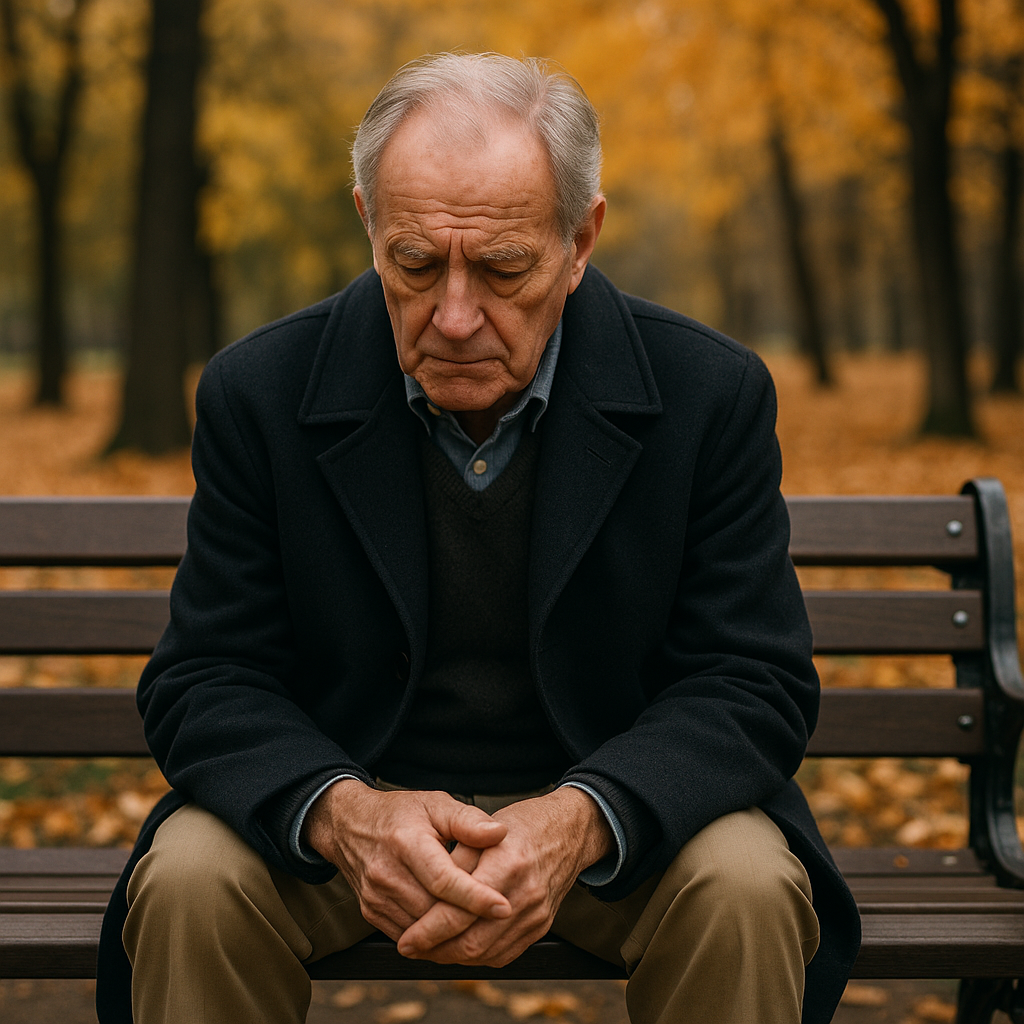
The Gender Gap in Grieving: What the Study Reveals
Published in the Journal of Affective Disorders, the study analyzed the experiences of nearly 26,000 older adults in Japan, among whom 1,076 had lost their spouse. Over three waves of data collection spanning seven years, researchers examined 37 different health outcomes associated with spousal loss, uncovering striking gender differences.
For widowed men, the consequences were severe. Compared to their married peers, these men faced elevated risks of dementia, mortality, and a decline in physical and cognitive health. According to the study’s findings, their social support network often diminished, contributing to isolation and even depression. Interestingly, while widowed men reported an increase in social activity, it did not translate into meaningful emotional support. “Widowed men were hit harder in almost every way,” says senior author Koichiro Shiba, assistant professor of epidemiology at Boston University.
Women, on the other hand, demonstrated remarkable resilience. While experiencing an initial dip in happiness following their spouse’s passing, widows recovered quickly, often reporting increased life satisfaction and happiness over time. This contrast points to gender-specific coping mechanisms shaped by societal norms and expectations.

Understanding Why Men and Women Respond Differently
The contrasting outcomes between widowed men and women open the door to important questions. Why is it that grief impacts men so radically, while women appear to adapt with relative ease? Experts suggest several interrelated factors:
Social Support Networks
Historically, women are more likely to cultivate emotionally supportive relationships outside of marriage—friendships, community ties, and familial bonds often serve as a safety net during times of upheaval. For men, who may view their spouse as their primary source of emotional support, the loss of that singular connection can lead to feelings of abandonment and isolation.
Health Behaviors
Behavioral changes also play a critical role in these gendered outcomes. Widowed men in the study reported increased alcohol consumption, which can contribute to both physical decline and cognitive impairments. By contrast, widowed women often adopted more sedentary lifestyles after their loss, but this shift did not seem to negatively affect their mental well-being.
Societal Expectations
Cultural narratives around marriage and caregiving may further explain these differences. Men may feel unequipped to manage daily life tasks without their spouse, while women—often socialized as caregivers—may experience a sense of newfound freedom and self-determination.
What the Data Means for Public Health Policy
These findings emphasize the need for gender-specific support systems following spousal loss. For widowed men, targeted interventions addressing emotional and physical health are paramount. Developing programs that enhance social connections, combat isolation, and address alcohol use could make a significant difference in outcomes. “Our research underscores how losing a spouse influences far more than grief alone,” says Koichiro Shiba, advocating for more inclusive public health strategies.
Meanwhile, widowed women might benefit from policies emphasizing personal fulfillment and maintaining physical activity levels. For both genders, healthcare providers can play a pivotal role by integrating bereavement counseling and health monitoring into regular care.

Implications for Future Research
This study from Japan is both groundbreaking and geographically specific, leaving room for additional exploration across diverse cultural contexts. How might social structures in Western societies, where marriage dynamics and gender roles are different, influence bereavement outcomes? Does spousal loss affect younger couples differently than older ones? These are questions researchers must tackle to create universally applicable frameworks.
Additionally, the interplay between physical and mental health deserves closer scrutiny. Dementia, depressive symptoms, and physical decline are intertwined, particularly for men. Understanding their root causes could reveal interventions capable of mitigating severe bereavement-related health issues.
Moving Forward
As populations age globally, spousal loss will become an increasingly prevalent experience among couples. This study illuminates the multifaceted impacts of bereavement and invites society to rethink how to support widows and widowers. From expanding grief counseling services to addressing social isolation among men, there are tangible steps that governments, healthcare systems, and communities can take.
What remains clear is that grief is not one-size-fits-all. Understanding its gendered dimensions is key to fostering resilience and ensuring a higher quality of life for all individuals facing loss.
Researchers, policymakers, and healthcare providers must work together to answer lingering questions and implement thoughtful interventions. The road ahead is complicated, but the insights from this study are a critical starting point.