Images chosen by Narwhal Cronkite
Trump Pushes Allies to Act in Strait of Hormuz: A High-Stakes Call to Arms
The Strait of Hormuz is once again at the center of global tensions. U.S. President Donald Trump has urged key international allies, including the United Kingdom, to deploy warships to the region in a coordinated effort to safeguard one of the world’s most critical maritime chokepoints. As the specter of escalating conflict looms, world leaders face increasingly complex geopolitical decisions.
Strategic Importance of the Strait of Hormuz
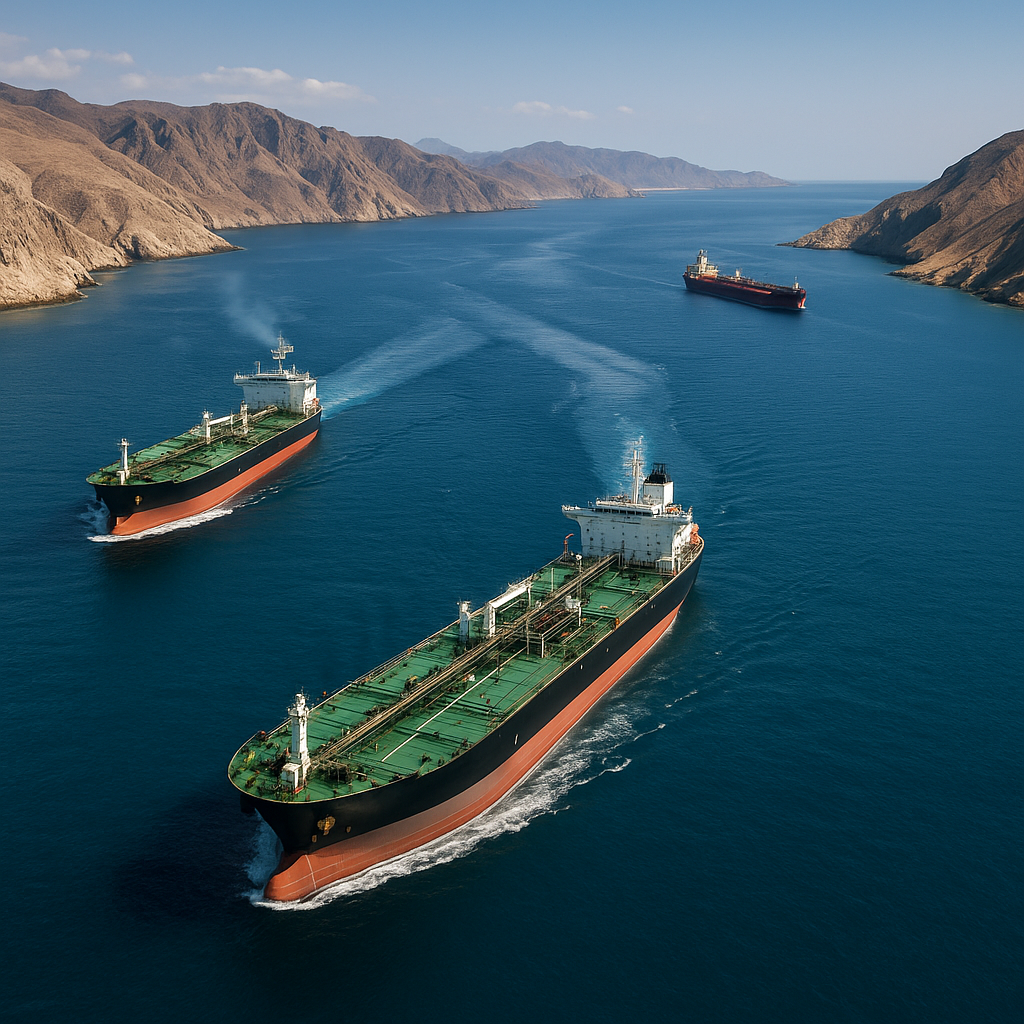
Spanning only 21 miles at its narrowest point, the Strait of Hormuz is a critical artery for international energy supply. According to data from the U.S. Energy Information Administration, approximately 20% of the world’s petroleum and a significant share of liquefied natural gas pass through this vital chokehold daily. However, heightened tensions between the U.S. and Iran have resulted in instability in the region, with shipping traffic declining from 138 vessels per day to a mere handful since early March.
“A disruption in the Strait of Hormuz could have far-reaching economic consequences,” said Dr. Samantha Cole, an energy security analyst. “This isn’t just about oil prices—it’s about the broader impact on global markets, including shipping and commerce, which depend on unimpeded access through this channel.”
A Coalition Call: Trump’s Strategy
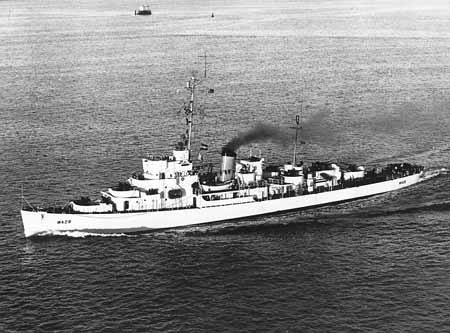
President Trump, taking a hardline stance on what he referred to as Iran’s “artificial constraint” on shipping, has stated that the U.S. is prepared to take unilateral military action if necessary. Writing on his social media platform Truth Social, Trump announced plans to deploy U.S. naval forces to ensure the security of maritime traffic in the region. He has called on allies such as the UK, France, South Korea, China, and Japan to send their own warships as part of a wider coalition effort.
“We have already destroyed 100% of Iran’s military capability,” said Trump in his statement, though analysts have raised questions about the accuracy of these claims. “But it’s easy for them to send a drone or two, drop a mine, or deliver a missile along this vital waterway.” He added, “One way or the other, we will soon get the Hormuz Strait OPEN, SAFE, and FREE.”
The U.K., for its part, has yet to confirm specific actions. A Ministry of Defence spokesperson stated, “We are currently discussing a range of options with our allies and partners to ensure shipping security in the region.”
Iran’s Response: Threats and Retaliation
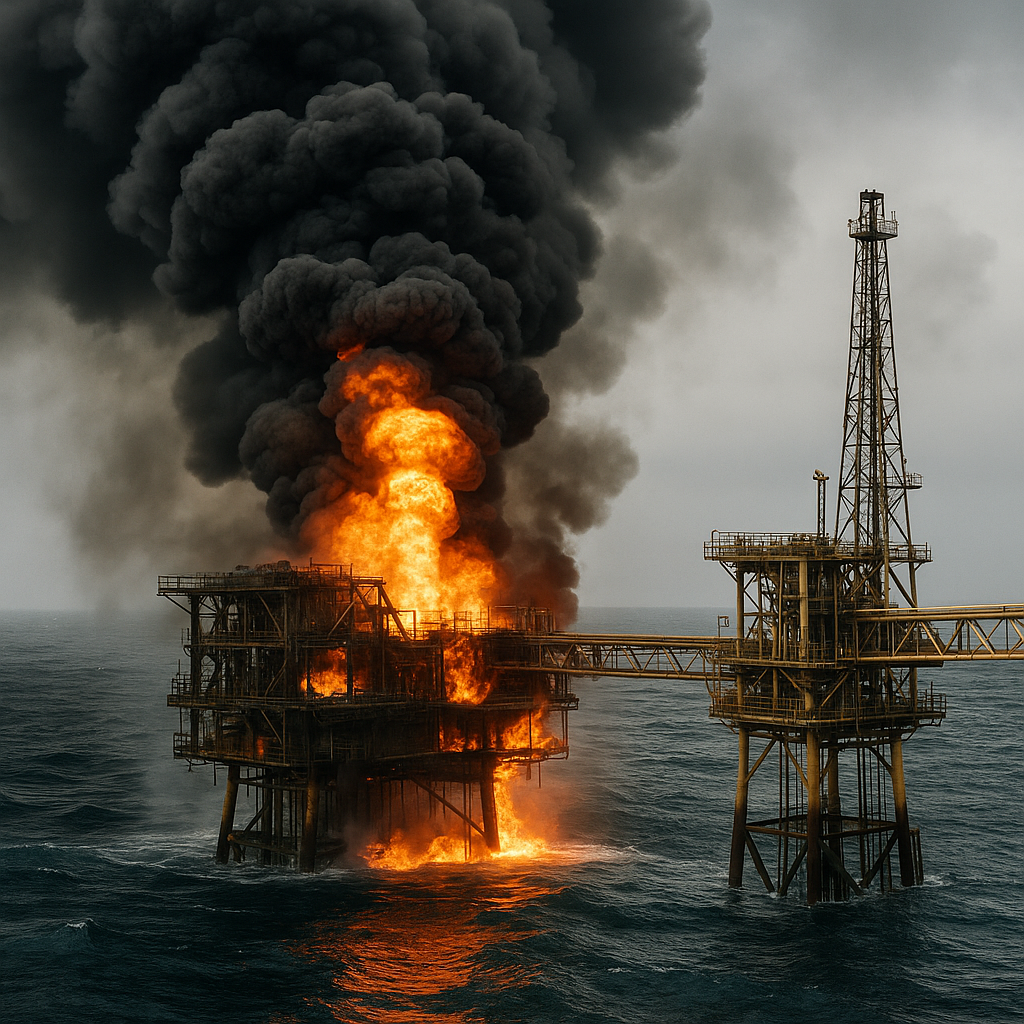
Iran has not taken these developments lightly. Following Trump’s threats to “wipe out” the oil infrastructure on Kharg Island—responsible for 90% of Iran’s fuel exports—the Iranian government vowed severe retaliatory measures. Iranian state media reported that any attacks on its energy infrastructure would provoke strikes on oil facilities throughout the region, particularly those with ties to U.S. interests.
This standoff is particularly concerning given recent escalations. The Joint Maritime Information Centre has documented over 20 incidents involving attacks on shipping and offshore infrastructure since the beginning of March. Industry experts note that even low-tech assaults such as mining or drone strikes could have an outsized impact on the safety and accessibility of the Strait.
A Broader Context of U.S.–Iran Tensions
The current developments in the Strait of Hormuz are inseparable from the decades-long narrative of hostility between the U.S. and Iran. Economic sanctions, accusations of nuclear proliferation, and proxy conflicts in the Middle East have all contributed to a deeply strained relationship. The recent escalation, according to energy journalist Sarah Wendell from Slate Magazine, underscores a fundamental asymmetry in the two nations’ strategies. “The U.S. and Iran are effectively fighting different wars,” Wendell explains. “Whereas the U.S. is leveraging overwhelming military power, Iran is using targeted threats to disrupt global economic stability.”
This pattern has placed global leaders in a precarious position. China, Japan, and South Korea, which are among the largest importers of oil transiting through the Strait, face difficult decisions on joining the coalition led by the U.S.—a country with which they may have competing interests.
Implications and What to Watch For
While Trump’s call for a multinational maritime coalition seems aimed at securing free passage through the Strait, its broader implications could ripple across global geopolitical and economic landscapes. Key questions remain: Will the U.S. be able to rally its allies quickly enough to stabilize the Strait? And if Iran escalates in retaliation, how far will the conflict go?
Oil markets, predictably, are reacting with volatility, and the extended disruption of shipping could lead to a more prolonged period of economic uncertainty. Beyond this, however, the situation raises questions about the international community’s preparedness for such high-stakes, high-consequence confrontations in shared waters.
Industry analysts, security experts, and political leaders alike will be closely monitoring the region in the days and weeks ahead. Whether diplomatic efforts or military might prevail remains to be seen, but one thing is certain: the world cannot afford a prolonged shutdown of this pivotal maritime corridor.
The world now waits, poised between heightened tensions and the hope for resolution. Allies face the daunting task of balancing immediate regional security concerns with the broader need for stability in international governance. Whatever comes next, the Strait of Hormuz remains a vital and contested flashpoint in an increasingly interconnected world.