Images chosen by Narwhal Cronkite
Iran Confirms Military Support from Russia and China Amid Rising Global Tensions
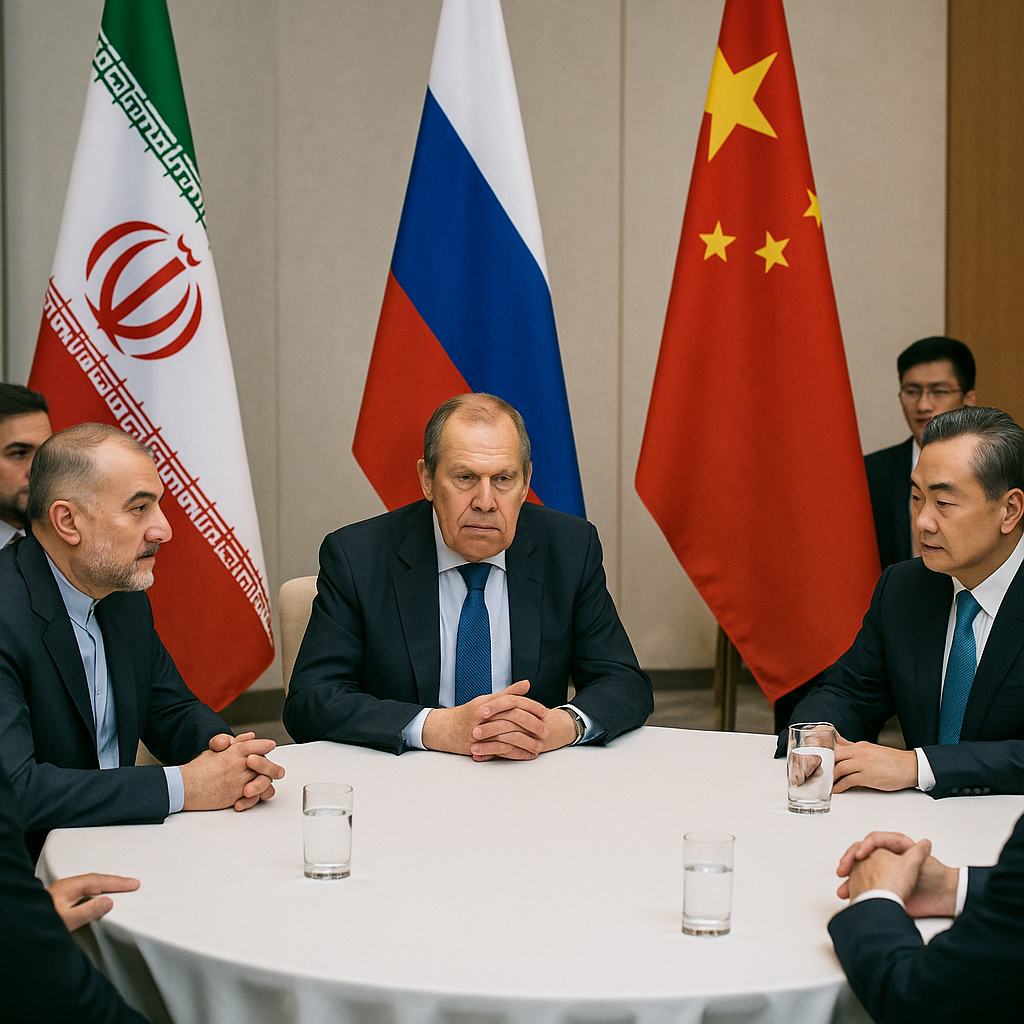
In an increasingly volatile geopolitical climate, Iran has officially confirmed that it is receiving military support from Russia and China as part of a broader strategic alliance. This development, as announced by Iranian Foreign Minister Abbas Araghchi during a televised interview with MS NOW, comes at a time when both regional power struggles and global tensions with the United States are experiencing a marked escalation.
A New Axis of Strategic Cooperation
“In the past, we had close cooperation, which continues to this day,” Araghchi stated in the interview. “This includes military assistance.” This announcement reflects growing ties between Tehran, Moscow, and Beijing, united not just by shared strategic goals but also by a common opposition to U.S. global influence. Iranian officials have recently framed these collaborations as part of a wider alignment against what they perceive as aggression and interference by Washington and key Western allies.
The extent of this military support remains unquantified, but, as reported by Politico, Araghchi emphasized that their partnerships extend across “political, economic, and military” dimensions. Such collaborations indicate that Tehran values not just material assistance but also the diplomatic and strategic weight Russia and China lend to counterbalance U.S. influence in the region.
Notably, this development aligns with a broader narrative of strengthening trilateral cooperation between these nations. As economic sanctions and geopolitical isolation push some states toward alternative alliances, this partnership appears to be consolidating into a united front against perceived Western hegemony.
Regional Dynamics: The Iran-US-Israel Nexus
The confirmation of military support from Russia and China coincides with heightened tensions between Iran and the United States, as well as its close ally, Israel. Earlier reports from Shtfplan.com assert that Iranian officials have outright rejected diplomatic overtures from Washington. Claiming that U.S. interests aim to “partition the country and take oil,” Tehran has doubled down on its opposition to American interference in the Middle East.
This development also takes place against the backdrop of growing Iranian-Israeli hostilities. As reported by Freerepublic.com, the U.S. recently collaborated with Israel on Operation: Roaring Lion/Epic Fury, an initiative purportedly aimed at dismantling Iran’s military capacity. As these powers lock horns in hostile exchanges, the involvement of Moscow and Beijing in supporting Tehran adds a new and complex layer to this already fraught regional standoff.
The Implications of a Multilateral Alliance
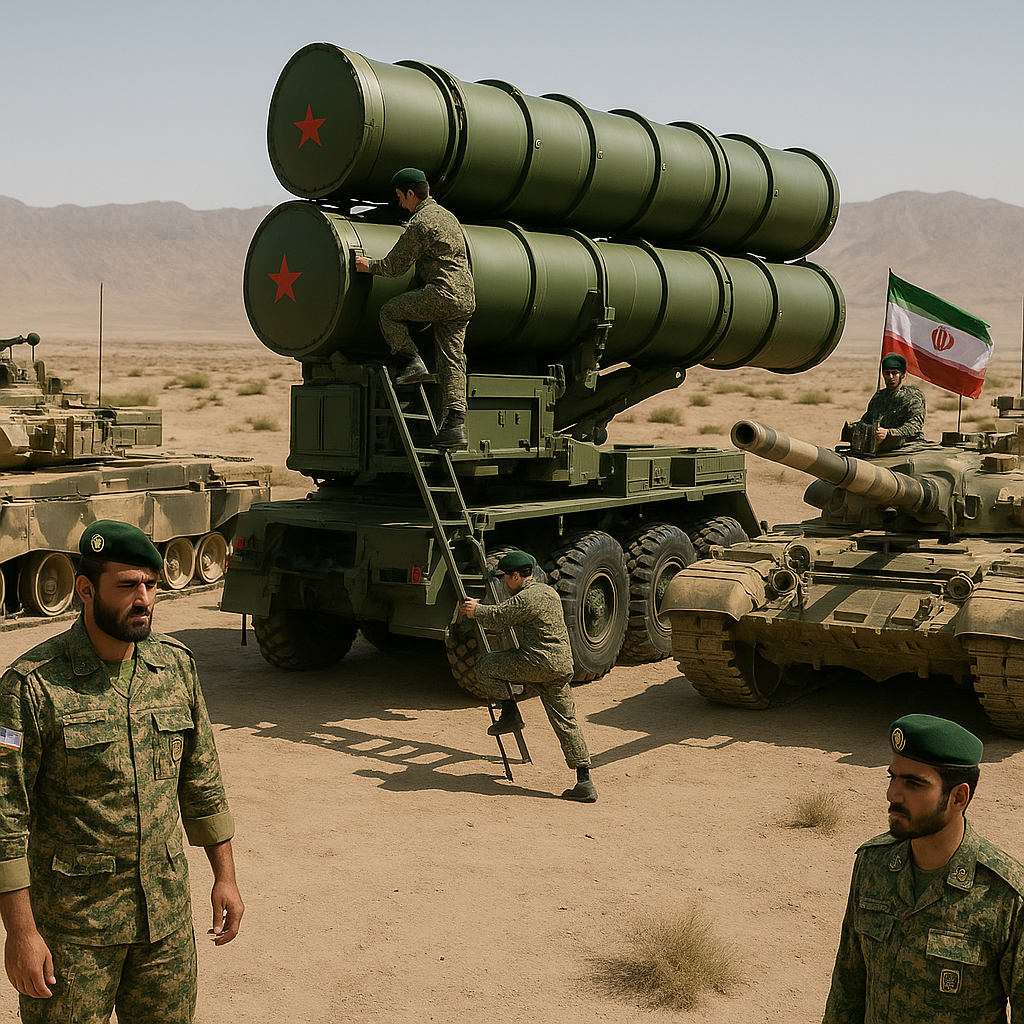
Iran’s alignment with Russia and China has implications that reverberate far beyond the Middle East. Globally, these partnerships could signify a gradual but decisive realignment of military and political power away from traditional Western dominance. Analysts point out that this trilateral collaboration is not spontaneous but rather the result of years of geopolitical maneuvering as Western alliances such as NATO and the Quad continue to consolidate.
For Russia, assisting Iran helps solidify its influence in the Middle East while providing an essential ally in its broader confrontation with NATO and, more recently, U.S. support for Ukraine. Similarly, China’s involvement underscores its aspirations to expand its Belt and Road Initiative and cultivate deeper relationships in the region where its energy security concerns are paramount. A recent report by Globalsecurity.org highlighted China’s ongoing negotiations to supply anti-ship missiles to Tehran, further establishing the economic and military synergy between the two nations.
Since Beijing and Moscow both face economic sanctions from Western powers, this trilateral partnership is likely to deepen, symbolizing resistance to the U.S.-led global order. However, experts caution that conflicting goals between Russia and China may complicate this cooperation in the long term.
Military Tech Transfers and Regional Stability
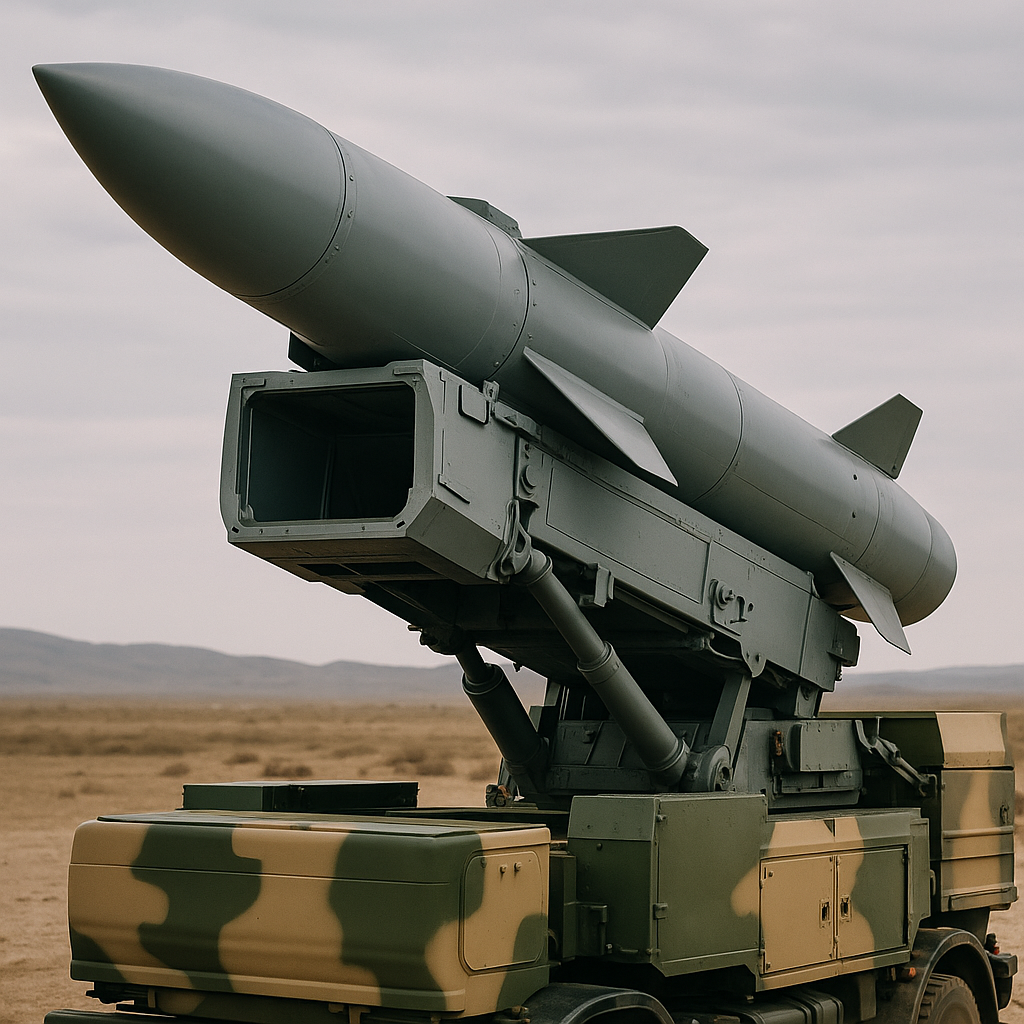
One of the most immediate outcomes of this partnership is likely the transfer of advanced military technologies to Iran. The potential supply of Chinese CM-302 anti-ship missiles, as reported back in February by Globalsecurity.org, marks a significant step in bolstering Tehran’s missile capabilities, particularly as maritime security becomes a focal point of U.S. operations in the region.
These arrangements may destabilize an already fragile Middle East, as Iran’s growing military capability is seen as a direct challenge by its regional archrival, Israel, and others. Combined with Russian expertise in military strategy and technology—as highlighted by Moscow’s involvement in Syria—this support emboldens Tehran and complicates efforts to engage it diplomatically. The fact that the U.S. recently took military action targeting Iranian vessels, as discussed in The Times of India, indicates how narrow the margin for error has become.
What Lies Ahead: Implications for Geopolitics
Looking ahead, the implications of this trilateral partnership could manifest in several ways. First, the risk of armed conflict in the Middle East is set to increase, with U.S., Iranian, Israeli, Russian, and Chinese actions and investments creating a multilateral conflict framework.
Second, escalating kinetic or proxy battles in the region could spill beyond the Middle East, embedding tensions deeper into international relations. The South Asian and Indo-Pacific regions, in particular, may see the ripple effects of this military cooperation, particularly as China expands its sphere of influence toward areas traditionally dominated by Western powers.
Finally, this realignment serves as a stark reminder of the fragility of the current global system. Traditional alliances such as NATO may face tests of unity as they are forced to respond to challenges spanning multiple continents. On the other hand, organizations like BRICS (Brazil, Russia, India, China, South Africa) may evolve from economic-focused institutions into security-focused alliances, further polarizing the global order.
Conclusion: The Road Ahead
The confirmation of military support from Russia and China moves the narrative around Iran’s geopolitical role to a new level. As these partnerships deepen, the world watches closely to see whether the rising tide of cooperation leads to confrontation or negotiation on the global stage. For now, the Gulf region and its key players remain a flashpoint, and the role of these alliances will likely determine the trajectory of global conflict and diplomacy in the coming years.
Observers note that while Iran, Russia, and China gain short-term benefits from aligning in opposition to the U.S., longer-term conflicts of interest could undermine their unity. The world will be watching—and hoping—that piercing tensions avoid boiling over into destabilizing conflicts.