Images chosen by Narwhal Cronkite
Trump Warns NATO Faces a ‘Bad Future’ if Allies Fail to Support US on Iran
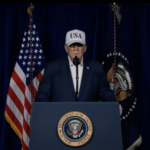
In a stark and controversial statement, former U.S. President Donald Trump cautioned NATO allies about the alliance’s “very bad future” if member nations refused to support Washington’s actions in Iran. This comes amid escalating tensions in the region, particularly over the contested Strait of Hormuz, a critical maritime corridor responsible for nearly a third of global oil shipments. Trump’s remarks, originally revealed in an interview with the Financial Times, have sparked widespread discussion and raised questions about the future of NATO’s unity and priorities in an increasingly polarized geopolitical landscape.
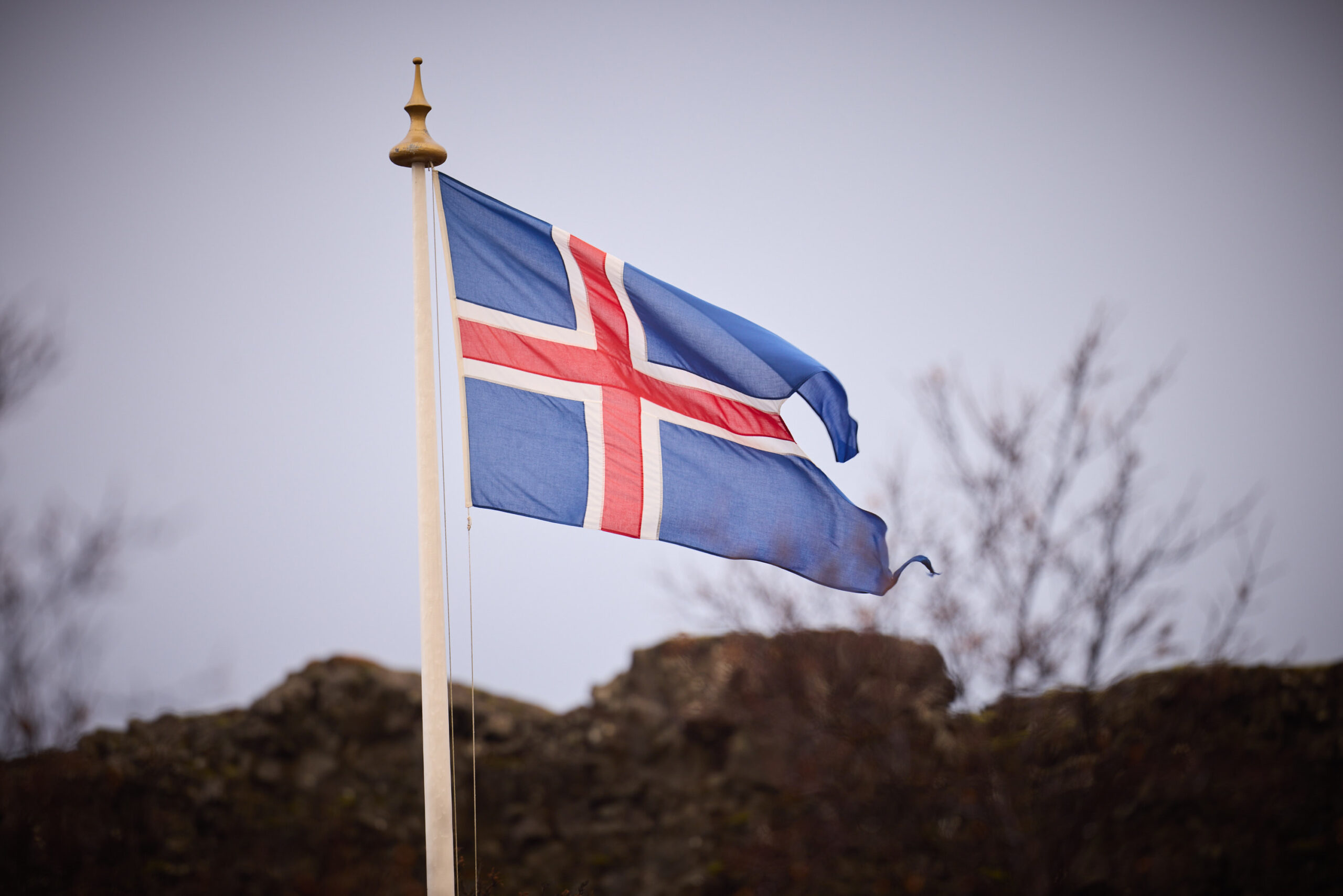
Strait of Hormuz in Focus: A Geopolitical Flashpoint
The Strait of Hormuz, situated between the Persian Gulf and the Gulf of Oman, has long been a strategic chokepoint for global oil shipping. It’s no surprise, then, that its blockade—linked to ongoing conflicts between the U.S. and Iran—has disrupted energy markets and pushed oil prices to worrying levels. Trump’s statements suggest that the U.S. cannot and will not act alone in reopening this vital route.
“Europe and all NATO allies need to step up. We cannot continue shouldering this burden alone,” Trump stated in his interview, as noted by the Financial Times. “If NATO members think they can sit back and benefit from American security guarantees without contributing to global stability, they’re mistaken.” Analysts have pointed out that Trump’s rhetoric aligns with a wider pattern seen during his presidency when he frequently criticized NATO members for not meeting their financial commitments.
This renewed pressure on NATO allies highlights the tension between national priorities and collective defense commitments. Reopening the Strait of Hormuz, many experts argue, is not merely about oil—it’s a litmus test for global cooperation in a multipolar world.
NATO Dynamics: Cracks or Crucible?
Though NATO was originally conceived as a collective defense alliance during the Cold War, its mission and internal dynamics have evolved significantly in recent decades. Trump’s warning reignites debates about NATO’s role in contemporary global conflicts: should the alliance be forced to engage in conflicts where not all members share direct stakes? Some allies seem hesitant to commit resources to Middle Eastern engagements, arguing that such endeavors might stretch NATO’s mission beyond its intended scope.
“The question is whether NATO should remain Eurocentric or expand its focus,” said political analyst Elena Markovic. “Trump’s framing of American grievances demonstrates a belief that NATO’s European members benefit disproportionately from U.S. military and logistical contributions. However, such grievances risk undermining the very fabric of transatlantic unity.”
Historically, European NATO members have oftentimes approached Middle Eastern conflicts through the lens of diplomacy rather than military intervention. Their reluctance to support the U.S. unequivocally may signal differing priorities—a reflection of how NATO’s diverse membership views global threats unequally.
The Economic Consequences of Inaction
For nations hesitant to get involved, including European allies such as Germany and France, one of the biggest concerns remains the economic toll of rising oil prices. According to data reported by SputnikGlobe, the blockade at the Strait of Hormuz has sent crude oil prices soaring by nearly 15% in just a few weeks. Such spikes put enormous pressure on European economies, particularly those dependent on imported petroleum.
“Energy security is a common interest—there should be no free riders,” said a senior U.S. diplomat, speaking on condition of anonymity. Diplomats warn that standing on the sidelines while the U.S. attempts to stabilize the region may ultimately backfire if prolonged instability hurts global markets.
Still, critics argue that forcing NATO into the crisis comes with its risks. “Not every NATO member has the same degree of dependency on Middle Eastern oil or the resources to commit to such military operations,” noted Hugo Lang, a global security adviser based in Brussels.

Middle Eastern Strategy: Dividing NATO or Uniting It?
Beyond its direct economic implications, Trump’s call for NATO unity tests whether the alliance can find common ground on Middle Eastern strategies. The Iran conflict isn’t just about energy or trade routes—it extends into broader questions about global power balances. As noted by the New York Post, Trump has tied this issue to broader NATO reliability, suggesting that without cooperation, the alliance faces irrelevance.
The latest developments have also raised questions about NATO’s long-term strategic planning. “Middle Eastern conflicts, particularly involving Iran, expose NATO’s Achilles heel—its lack of consensus on out-of-area operations,” added Markovic. “Unlike conflicts closer to European borders, such as in Ukraine, the Iran debate lacks clear alignment among NATO members. That hesitation could weaken the public’s trust in the alliance’s relevance.”
The Road Ahead: What to Watch For
As the crisis unfolds, some key developments warrant close attention. First, NATO’s official stance on the Strait of Hormuz blockade will be a critical bellwether of its cohesion. Will the alliance issue a united response or fracture along regional and political lines? Second, the economic fallout from oil volatility will likely influence not just NATO’s actions but also the political calculations of its member states.
Additionally, Trump’s statements may also reflect the broader geopolitical shift away from unilateralism to a contested, multipolar order. As Russia and China make bolder moves in the Middle East, NATO’s approach—or lack thereof—toward Iran will likely reverberate far beyond its alliance borders.
Ultimately, whether the organization emerges stronger or weaker from this crisis depends on both its ability to navigate internal debates and its capacity to adapt to global demands. “NATO isn’t just a military alliance—it’s a statement about shared values,” Markovic concluded. “How those values are interpreted in response to Iran could define its future.”
For now, as the pressure mounts over the Strait of Hormuz and its global ramifications, NATO finds itself at a crossroads—a moment that could shape its trajectory for years to come.
Conclusion: Can NATO Evolve?
Trump’s remarks have reignited questioning around NATO’s purpose and reach in modern geopolitics. While critics warn against the dangers of coercion, others suggest this moment could serve as a wake-up call for a more united and proactive alliance, capable of addressing global challenges collaboratively. Of pressing importance is finding ways for NATO’s members to reconcile differing motivations with collective security interests. All eyes now turn to the upcoming NATO summit, where allies may have to address their future priorities head-on.
Whether this challenge results in deeper divides or renewed cooperation, only time will tell, but one thing is certain—the stakes for NATO and global security have rarely been higher.