Images chosen by Narwhal Cronkite
Quebec Passes Controversial Law Banning Street Prayers and Prayer Rooms in Universities
The province of Quebec has recently passed a law prohibiting street prayers and prayer rooms in universities and CEGEPs, sparking broad discussions around religious freedom, secularism, and public policy. This development has reignited debates over how governments balance the preservation of secular space with the accommodation of religious practices—a long-standing and often contentious issue in Quebec’s sociopolitical landscape.
Understanding Quebec’s New Law
The legislative move, which surfaced as part of Quebec’s push for “laicity,” comes amid broader concerns over religious accommodation in publicly funded spaces. The province has previously taken steps to separate institutions from religious influence, such as banning religious symbols for certain categories of public servants.
As reported by CTV News, the new law specifically prohibits outdoor prayer gatherings on public property and mandates the closure of prayer rooms in universities and colleges across Quebec. Supporters of this legislation argue that it reinforces the province’s commitment to secularism as a core value. Opponents, however, have raised concerns over whether the move disproportionately impacts minority groups for whom prayer is an integral part of religious practice.
Jean-François Roberge, Quebec’s Minister of Education, stated that the law is intended to ensure equality and neutrality in public institutions. “Our goal is to preserve our secular identity while ensuring that all students benefit from educational environments free from proselytism,” he said during a media briefing reported by CTV News. Despite this explanation, other political figures and advocacy groups have questioned whether such legislation infringes on constitutionally protected freedoms.
Rationale and Criticism
To understand the context for this decision, one must look at Quebec’s unique position within Canada. As the only predominantly French-speaking province in the country, Quebec has emphasized values like secularism and cultural autonomy, often giving rise to debates on how these ideals intersect with religious diversity.
The move to prohibit prayer rooms in universities is consistent with Quebec’s broader secular framework outlined in previous laws, such as Bill 21, which banned religious symbols for government employees and public school teachers. This new law appears to extend those principles further by regulating personal religious practices in specific public spaces.
Critics, including human rights organizations like the Canadian Civil Liberties Association, argue that the law risks infringing on fundamental rights. “The imposition of such restrictions could marginalize specific religious communities and create barriers to social inclusion,” said Monica DeMarco, a researcher on religious freedom, in an analysis published by Reuters.

Impact on Students and Educational Institutions
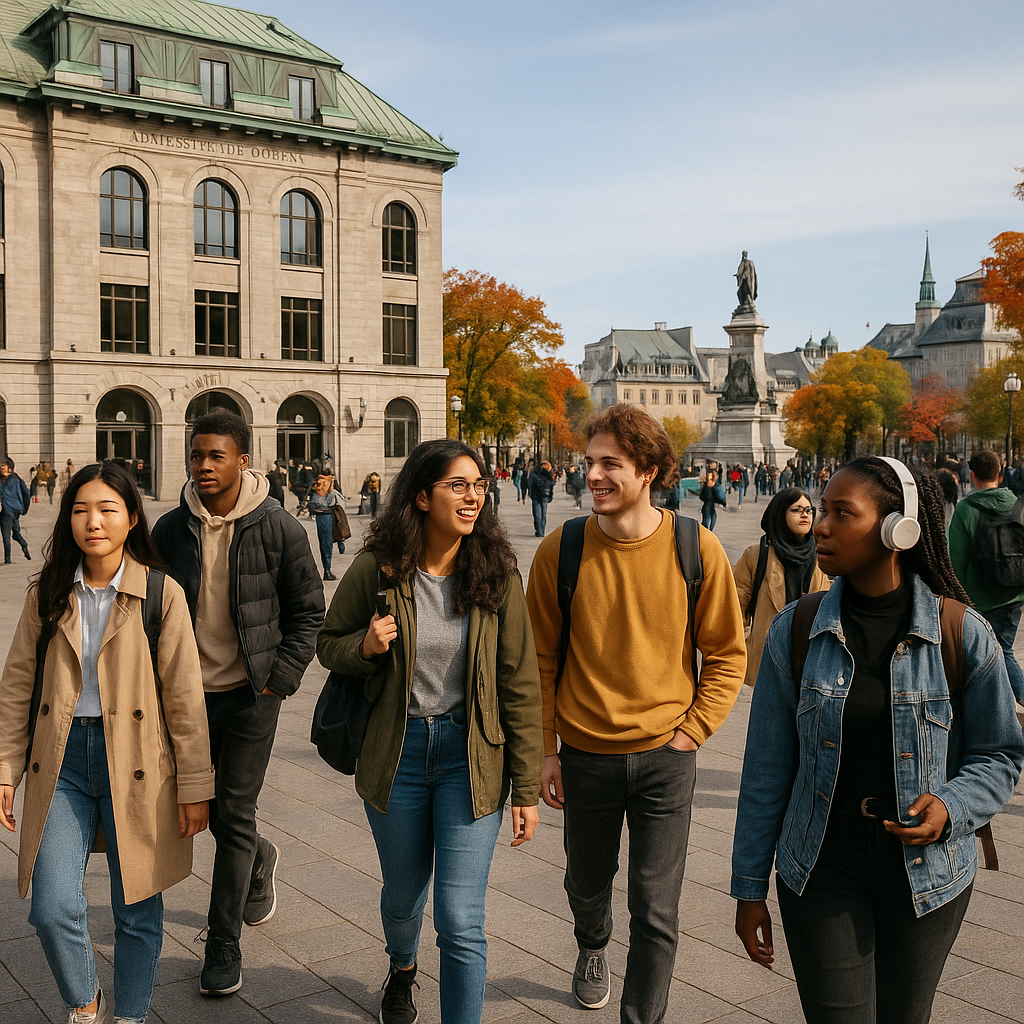
Universities and CEGEPs serve as melting pots of Canadian multiculturalism, making this legislation particularly impactful within academic communities. For some students, prayer is not simply a choice but a commitment woven into their daily routines.
Quebec universities previously offered designated prayer rooms as safe spaces where faith-oriented students could observe their practices without disrupting academic activities. With this new law, however, these accommodations are set to disappear, prompting questions about how institutions will navigate future requests for religious flexibility.
Furthermore, the absence of prayer spaces might place greater pressure on students belonging to minority faiths, potentially leading to feelings of exclusion or loss of identity. “Creating inclusive environments entails supporting religious diversity, not restricting it,” said Dr. Tara Williams, a sociology professor specializing in cultural integration, in an interview with The Globe and Mail.
Universities may face logistical challenges in implementing these changes. Administrators will have to ensure compliance with the law without alienating portions of their student populations, and striking this balance could prove complicated in the months ahead.
Broader Social Implications
While the legislation focuses on secular governance, its broader societal implications cannot be overlooked. Quebec’s population features growing diversity, particularly in urban centers like Montreal, where religious minorities form a significant portion of the community. Striking a balance between secular ideals and cultural pluralism has long been a complex endeavor for the province.
Some observers believe this law will further polarize opinions across Quebec. Individuals who prioritize religious freedom may challenge these restrictions both in courts and through advocacy campaigns, particularly if they perceive the measures as discriminatory. On the other hand, supporters argue that secularism plays an essential role in protecting neutrality within public institutions.
Meanwhile, public opinion in the province remains divided. According to polling data shared by CBC News earlier this year, roughly 60% of Quebec residents support efforts to enforce secularism, but concerns around whether such moves disproportionately affect minorities continue to emerge.
What Comes Next?
With this legislation now in place, the focus will shift toward how religious groups, advocacy organizations, and institutions respond. Lawsuits challenging the ban could arise, potentially bringing the issue before Quebec’s courts for further scrutiny. There remains uncertainty over whether federal-level intervention would be necessary should conflicts reach the national stage.
Observers are also watching whether similar policies might emerge in other provinces, using Quebec as a precedent in debates over secularism in public institutions. The outcome could set far-reaching cultural, legal, and social benchmarks for future policy discussions.
For universities in Quebec, the task ahead involves fostering inclusivity while abiding by this new framework. As students across the province adjust to these changes, the academic community’s ability to navigate religious accommodation in tandem with secular mandates will be critical for ensuring balance and unity.
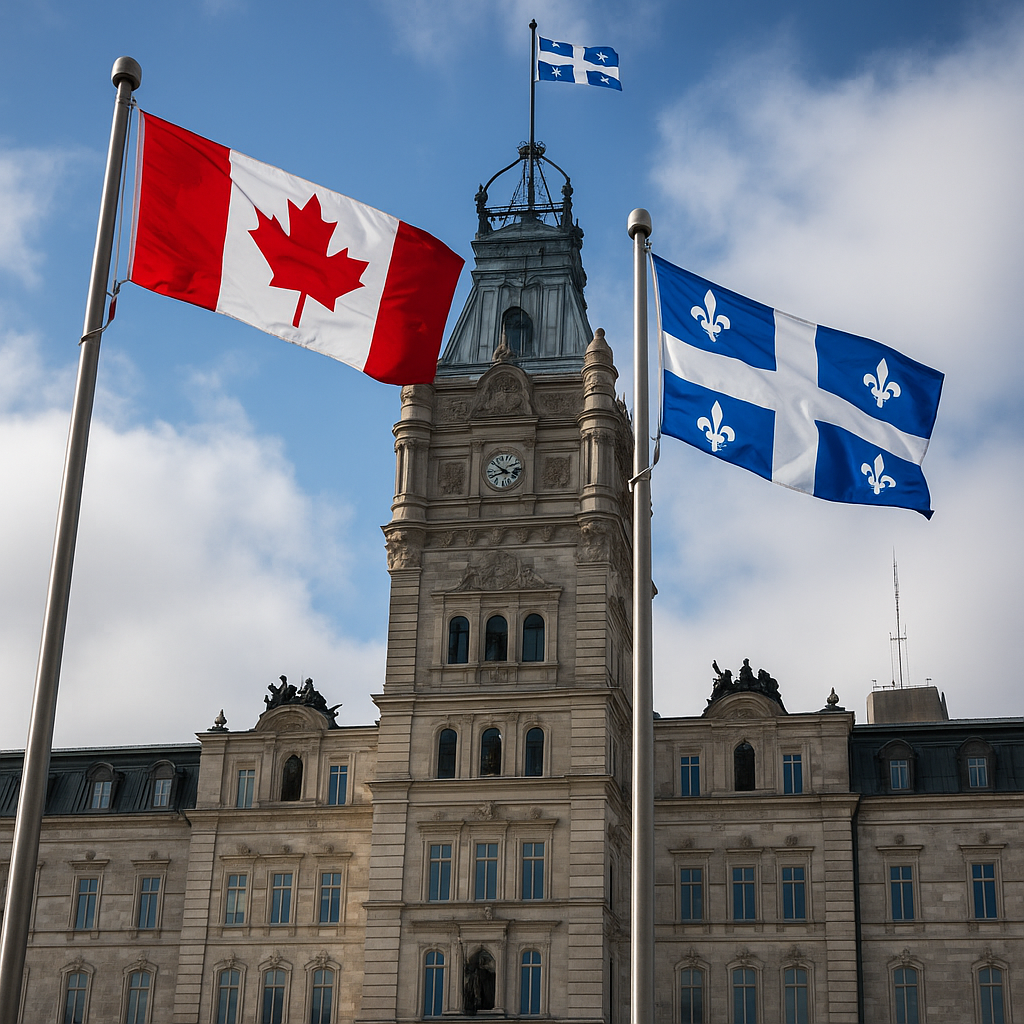
As Quebec moves forward, the implications of this law will ripple outward, shaping the province’s social fabric and sparking broader conversations about secularism versus religious accommodation. For now, the question remains: How can Quebec balance its secular ethos with the diversity of its growing multicultural population? Time will tell.