Images chosen by Narwhal Cronkite
Palantir Manifesto Under Fire as ‘Supervillain Ramblings’ Amid UK Contract Criticism
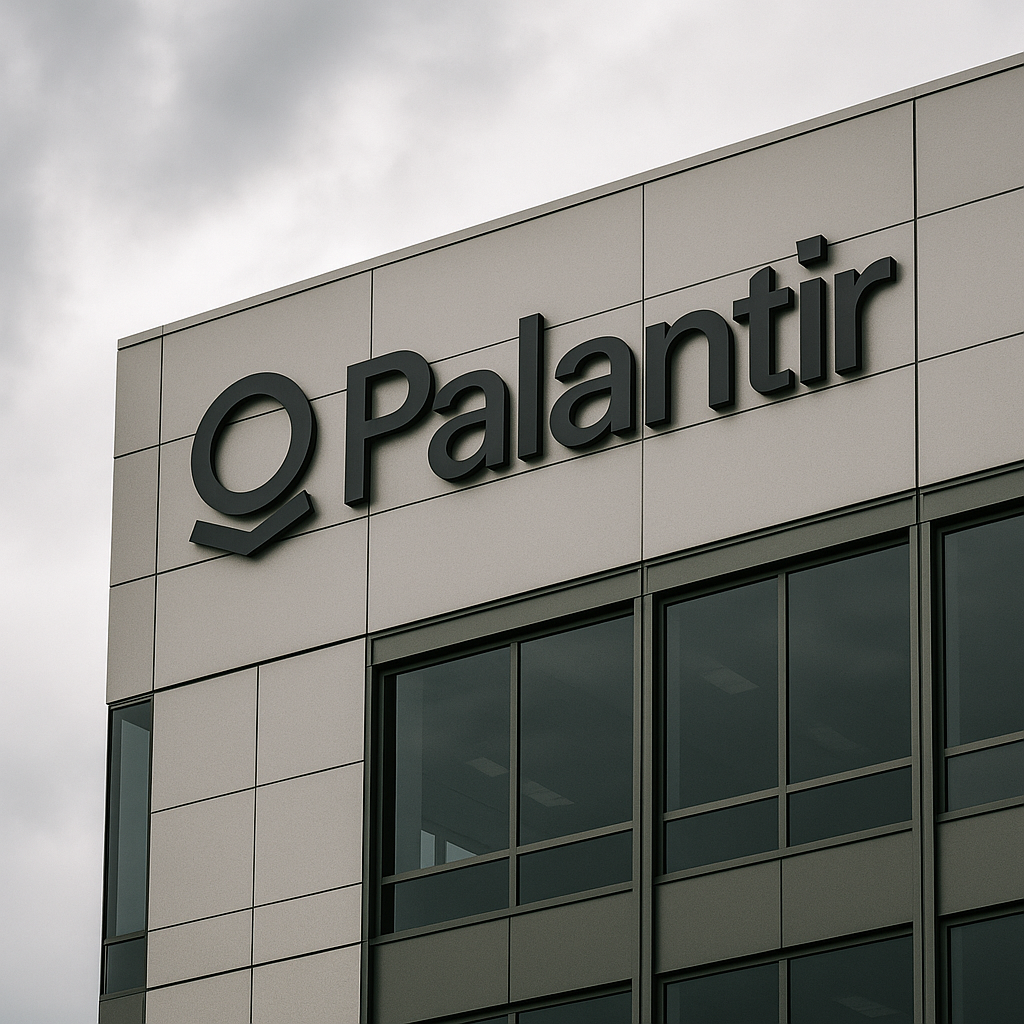
Few companies find themselves at the crossroads of technology, geopolitics, and ethical debate quite like Palantir. But this week, the scrutiny reached an intense new level. A manifesto published by the company championing aggressive militarism, AI-powered surveillance, and cultural superiority has sent shockwaves through government institutions, raising complex questions about whether such a corporate ethos is compatible with the increasingly pivotal role the firm plays in UK government projects.
The Manifesto That Sparked Controversy
Palantir’s 22-point manifesto, shared over the weekend on X (formerly Twitter), invoked powerful—and divisive—imagery of U.S. dominance, advanced AI weaponry, and “hard power.” Among its more provocative proposals were calls to end Germany and Japan’s “postwar neutering,” reinstate military conscription in the United States, and embrace AI weapons designed for autonomous warfare. This mix of futuristic tech utopia and ethical ambiguity has not gone unnoticed.
“Some cultures have produced vital advances; others remain dysfunctional and regressive,” the manifesto reads. These remarks, alongside calls to suppress “theatrical debates” about military AI, have been labeled by critics as not just tone-deaf, but dismissive of the complex global interplay of ethics and governance AI necessitates.
Core to the backlash has been Palantir CEO Alex Karp, whose statements often reflect similar rhetoric laced with militaristic resolve and disdain for what he perceives as global complacency. In The Technological Republic, his book published last year, Karp argued that Western civilization’s technological apex demands a no-holds-barred approach to securing competitive dominance—a philosophy seemingly embodied in this recent manifesto.
Concerns Over UK Contracts
In the UK, where Palantir holds over £500m in government contracts—including a £330m deal to manage NHS patient data—the manifesto has set off alarms among MPs. Critics emphasize that such rhetoric clashes with the sensitivities required for handling crucial national services involving citizens’ private information.
Martin Wrigley, a Liberal Democrat MP and member of the Commons Science and Technology Select Committee, didn’t mince words. “Palantir’s manifesto, which embraces AI state surveillance of citizens along with national service in the USA, is either a parody of a RoboCop film, or a disturbing narcissistic rant from an arrogant organization. Either way, it shows that the company’s ethos is entirely unsuited to working on UK government projects involving citizens’ most sensitive private data,” he said.
The NHS contract, in particular, has been a lightning rod for controversy. Critics argue that outsourcing sensitive health data management to a firm with such an overtly ideological stance risks undermining public trust in government institutions. Additionally, concerns have been raised about whether companies like Palantir, steeped in their foundational partnership with U.S. military intelligence, have global interests compatible with national sovereignty.

The Balance of Ethics, Sovereignty, and Security
The controversy poses a broader question: where does one draw the line between pragmatic technological strategy and ethical governance? Palantir’s detractors argue that its penchant for openly championing hard-power interventions skews its role as a neutral service provider. Indeed, no shortage of analysts suggests that Palantir’s corporate DNA—as a firm born out of post-9/11 U.S. security anxieties—may be incompatible with operating in domains where privacy and neutrality are paramount.
Hannah Carter, a technology analyst specializing in government contracts, sees this schism as inevitable. “On one side, you have a company with unwavering commitments to military and intelligence applications, rooted in Silicon Valley’s hyper-competitive, profit-driven ethos. On the other side, you have publicly funded services requiring public trust and accountability. These missions inherently conflict,” Carter explained.
Yet, Palantir’s defenders echo the company’s own assertion: advanced technology is not neutral. They argue that the risks of disengaging with firms like Palantir are greater than partnering with them, particularly as geopolitical rivals invest heavily in AI for military use. “It’s a pragmatic arms race,” said one industry observer. “If liberal democracies don’t build systems to win, someone else will—and those actors won’t hesitate to exploit AI in ways we’d find dangerous.”
Global Implications of the AI Arms Debate
Palantir’s manifesto taps into the heart of an urgent global issue: the race to weaponize artificial intelligence. The manifesto states unapologetically that the question is not whether AI will evolve into a tool of autonomous conflict, but who will control it. While the tone may echo cinematic supervillainy, the underlying message contains undeniable truths.
AI technology, particularly for military applications, is advancing rapidly. Global spending on AI-enabled weaponry is estimated to surpass $15 billion by 2030. While Western democracies may grapple with the ethics of applying AI to warfare, countries like Russia and China have shown no such hesitation, according to assessments from think tanks such as the Center for Strategic and International Studies.

The UK, as a key NATO member, finds itself caught in a conundrum: how to shore up national and allied defense capabilities without breaching public ethics. With Palantir so deeply enmeshed in both the intelligence and operational fabrics of Western militaries, the broader debate over ethical AI development is unlikely to disappear anytime soon.
What to Watch for Next
Several questions loom as attention on Palantir intensifies. Will the UK government reevaluate Palantir’s involvement in sensitive data-management projects? Politicians calling for greater oversight are advocating for stricter ethical guidelines in awarding contracts to private firms handling public assets. The extent to which this sentiment resonates within Parliament could shape future partnerships.
Additionally, the larger geopolitical implications merit close scrutiny, particularly as U.S.-based firms increasingly dominate global AI innovation at the intersection of military and civilian domains. Future debates over AI governance frameworks—whether via the United Nations, NATO, or other multinational organizations—are likely to highlight and exacerbate the tension between security imperatives and ethical accountability.
For Palantir, the path forward may involve a recalibration of its messaging and market positioning. Balancing a commitment to cutting-edge technological solutions with the sensitivities required for international partnerships will be no small feat. Whether the company can shed the “supervillain” label of its critics to become a trusted global player remains an open question.
Conclusion
As Palantir’s manifesto underscores, the future of AI and power dynamics is anything but straightforward. This controversy isn’t just about the manifesto itself but reflects broader anxieties about technology’s role in shaping the trajectory of global governance. In the coming months, eyes will remain on Palantir—and the governments it partners with—as the complex intersections of technology, ethics, and national security play out on the world stage.