Images chosen by Narwhal Cronkite
This Scammer Used an AI-Generated MAGA Girl to Grift ‘Super Dumb’ Men
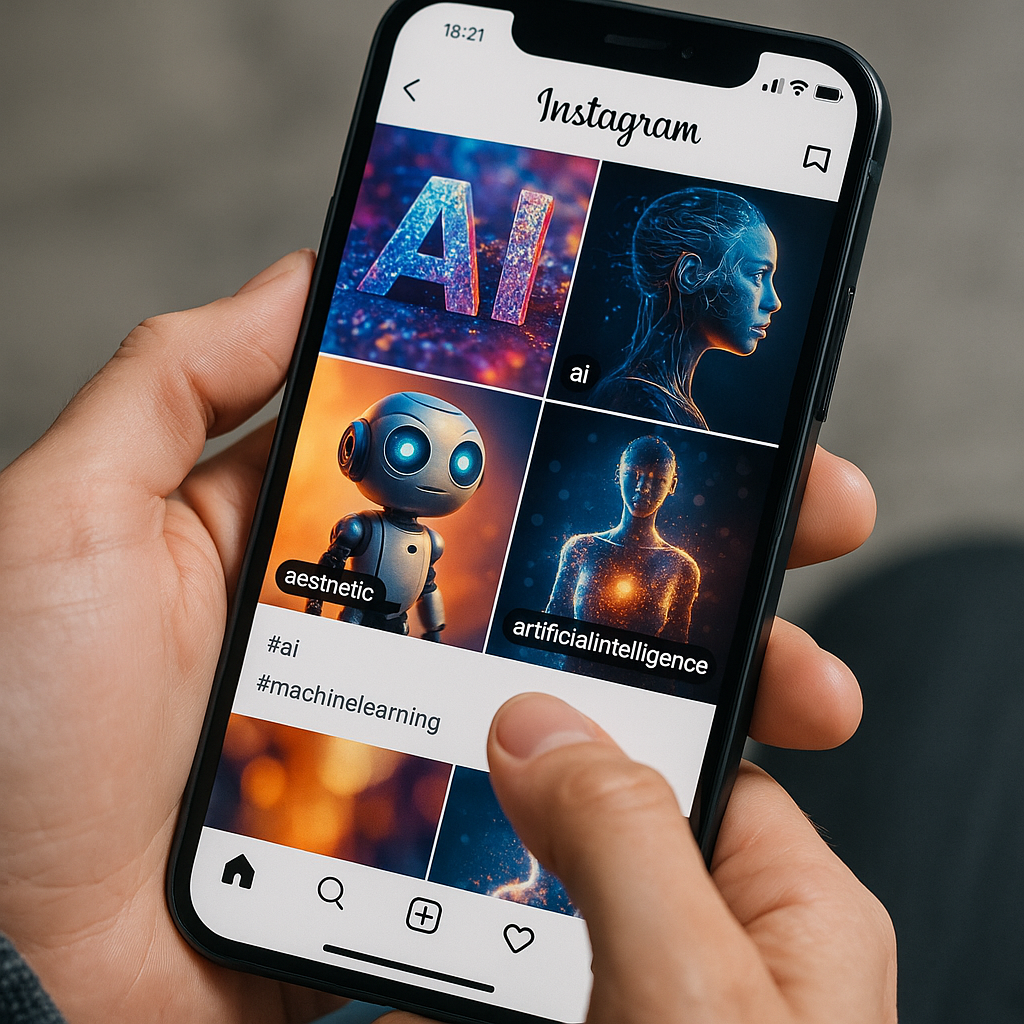
In the rapidly evolving landscape of artificial intelligence, where technology intersects with social media, grifting has found a new, distinctly digital twist. The tale of Sam, a 22-year-old medical student from India who created a fictional MAGA-leaning influencer named Emily Hart to capitalize on political partisanship, offers a disquieting glimpse into this phenomenon. His strategy? Creating an AI-generated character to exploit the ideological and emotional hotspots of a highly specific audience. But what does this mean for the intersection of technology, politics, and internet culture?
The Grift: Politics Meets AI-Generated Personas
Sam’s story starts with financial necessity. Faced with the rising costs of medical school and his dreams of emigrating to the United States, Sam sought alternative revenue streams. His solution: using AI tools such as Google Gemini’s Nano Banana Pro to create an AI-generated persona, a nurse by the name of Emily Hart who leaned into conservative MAGA politics. What followed was an audacious blending of technology, targeted messaging, and digital marketing aimed at monetizing a political niche.
Sam’s strategy relied on crafting a highly specific character. According to a transcript of conversations he had with Gemini’s AI, Sam sought advice on how to make his “model” stand out in an already saturated market of online influencers. The AI reportedly suggested an entry point centered around the MAGA/conservative niche. Sam took this advice to heart and carefully orchestrated Emily Hart’s persona: a blonde, Jennifer Lawrence-like nurse who espoused pro-Christian values, gun rights, anti-abortion rhetoric, and anti-immigration policies. Pairing Emily’s controversial opinions with idyllic Americana imagery, such as fishing trips and rifle range photos, cemented her appeal.
The results were striking. Within weeks, Emily Hart became a viral sensation. Her Instagram account quickly amassed over 10,000 followers, while her content consistently racked up millions of views. By venturing into premium platforms like Fanvue and selling ideological merchandise, Sam tapped into what he called a “loyal and disposable-income-heavy” audience.
The AI Advantage and Ethical Complications
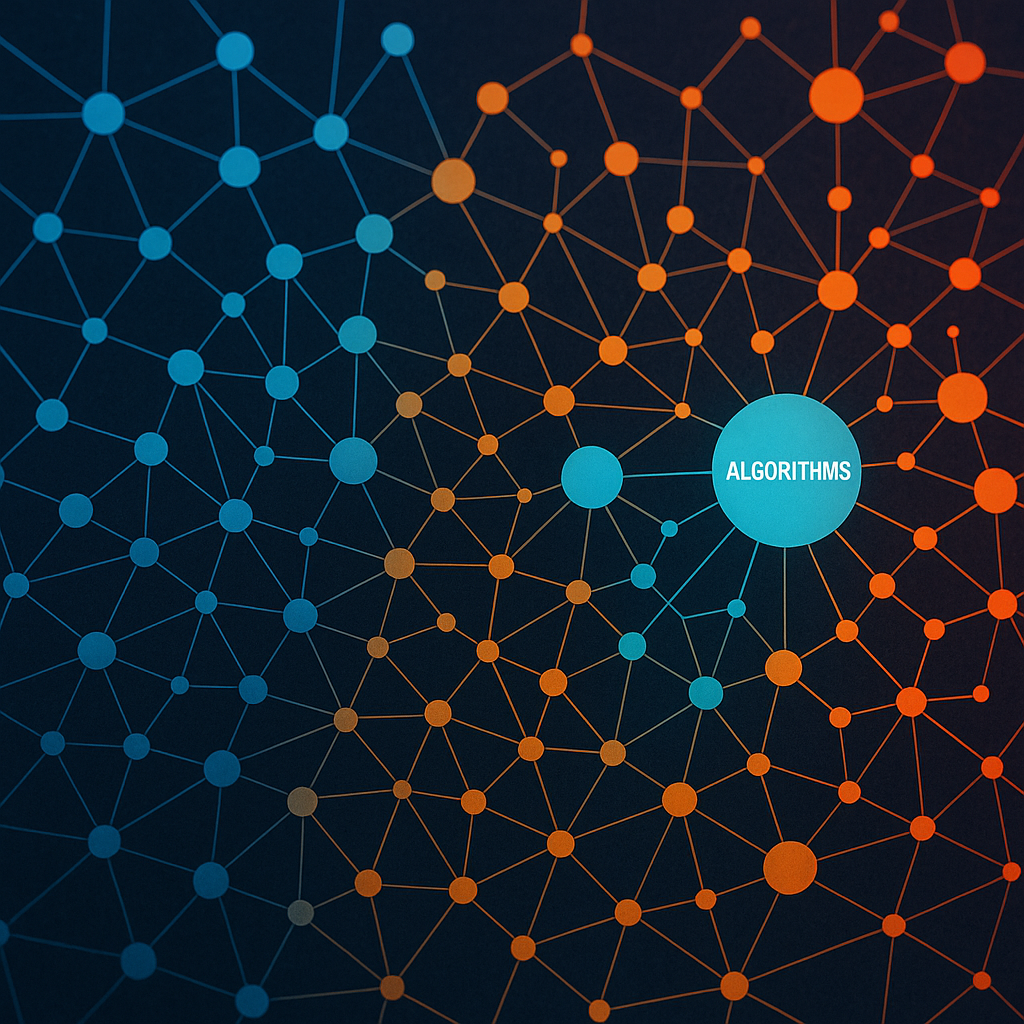
Emily Hart’s success underscores the power of artificial intelligence to sharpen marketing strategies. By leveraging AI-based prompts and algorithms, Sam didn’t just create an aesthetically pleasing character—he tapped into the emotional and political pulse of his target audience. “Every day, I’d write something pro-Christian, pro-Second Amendment, or anti-woke,” Sam reportedly admitted. The content didn’t just resonate—it thrived in algorithms designed to amplify high-engagement topics.
However, Emily Hart’s meteoric rise also raises profound ethical questions. Should AI, which is ostensibly neutral, play a role in amplifying polarizing political ideologies, even as part of a fictional ploy? According to Wired’s reporting, a representative from Google Gemini clarified that its tools are designed to remain politically neutral unless explicitly directed by users. Nonetheless, the case demonstrates how AI can be co-opted to drive messages that manipulate specific social or political groups for personal gain.
Industry analysts note that this practice is not only exploitative but potentially harmful. “The ease of deploying AI tools to create personas and weaponize political divisions is deeply concerning,” says Maria Lopez, a communications professor at Stanford University. “The psychological lure of tailored political content has a particular power over vulnerable audiences.”
Why This Strategy Worked
Sam’s approach worked because it relied on several parallel trends shaping online behavior and political discourse:
1. Hyper-Specific Niches
The internet is crowded with content creators vying for attention, but Sam aimed for a very specific demographic: older, conservative males in the United States. By crafting Emily Hart’s profile to reflect ideological beliefs that resonated deeply with this group, Sam succeeded in breaking through the clutter. “It’s like a cheat code,” Sam was quoted as saying to Wired.
2. The Rise of AI-Generated Influencers
Artificial intelligence has ushered in an era where influencers don’t need to be real people. From virtual celebrities in gaming culture to AI fashion models, digital-only personas are becoming increasingly common. What makes Emily Hart unique, however, is her blend of AI-enhanced aesthetics and ideologically charged content.
3. Emotional Engagement
Emily Hart’s messaging wasn’t just ideologically aligned with her audience—it was emotionally engaging, eliciting both approval and outrage. Platforms like Instagram are optimized for engagement, rewarding content that sparks strong emotions—whether positive or negative. This created a feedback loop that further elevated her profile.
The Risks of Exploiting Political Divides
While Sam’s experiment may have been motivated by pragmatism rather than malice, it highlights significant risks. By monetizing controversial topics, creators like Sam risk deepening ideological divides. Additionally, the rise of fake personas may erode trust online, making it harder for users to distinguish between genuine influencers and AI-generated accounts.
Security concerns are also at play. If this model is copied by bad actors, AI-generated personas could be weaponized for disinformation campaigns. Cybersecurity experts warn that individuals and organizations might use AI-created accounts to manipulate elections, spread propaganda, or even commit scams on a massive scale.
What’s Next for AI Personas?
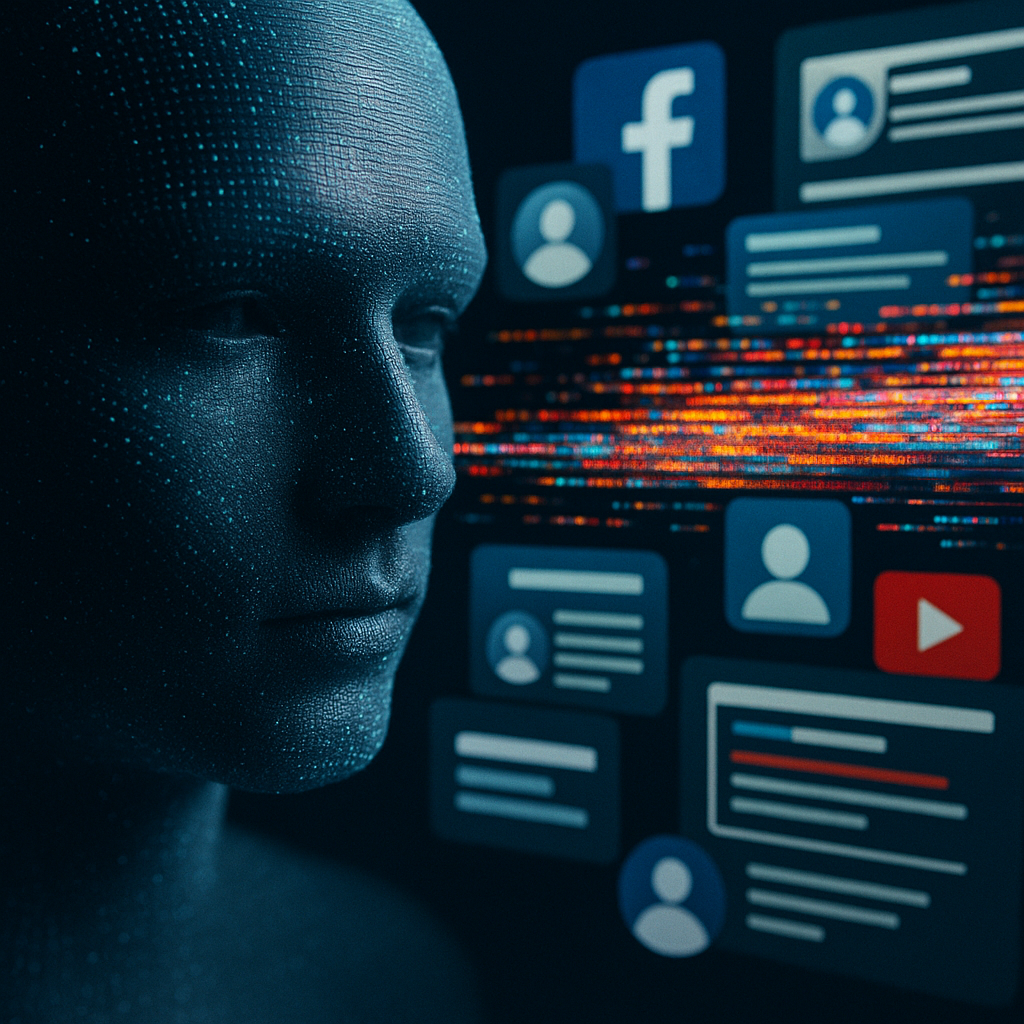
As AI tools improve and become more accessible, the line between real life and virtual personas will continue to blur. Companies, politicians, and grifters alike may begin to utilize AI-generated characters to infiltrate niche markets, promote ideologies, or influence policy debates in unprecedented ways.
For regulators, this development underscores the urgent need for updated policies around digital transparency and ethical AI use. Potential measures could include labeling requirements for AI-generated content or stricter regulations on the use of algorithms for political messaging. Social media platforms, too, may need to refine their algorithmic detection capabilities to identify and manage fake personas.
In the meantime, tech enthusiasts and policymakers must remain vigilant. “We’re entering uncharted territory,” says Lopez. “With tools like AI becoming widespread, the risk of misuse is real, and the consequences could reshape how we interact with information and with each other.”
Final Thoughts
The case of Emily Hart serves both as a cautionary tale and a harbinger of the digital future. While the ingenuity displayed by creators like Sam is impressive, it also casts a harsh light on vulnerabilities within our digital and political ecosystems. At the intersection of artificial intelligence and human idealism lies immense potential—but also the responsibility to wield this technology ethically.
As AI evolves, its influence on how we communicate, consume, and connect will only deepen. The key question remains: Will we use it as a force for good or let it enhance divisions for personal gain?