Images chosen by Narwhal Cronkite
At Least 10 Scientists Tied to Sensitive US Research Have Died or Disappeared in Recent Years, Sparking Federal Investigation
In the shadowy corridors of cutting-edge research, where scientific innovation intertwines with national security, an unsettling pattern has emerged: at least 10 scientists involved with sensitive U.S. projects have mysteriously died or disappeared in recent years. The unusual string of cases has ignited a federal investigation and raised alarm among policymakers and national security experts.
Unpacking the Cases: A Troubling Pattern
Since 2022, the deaths and disappearances of scientists tied to advanced technologies have grown increasingly conspicuous. Among the most notable cases is Amy Eskridge, a 34-year-old scientist researching anti-gravity propulsion, found dead in Huntsville, Alabama, under circumstances described as “mysterious” by Natural News. Eskridge had warned her peers that her life was in danger in the months leading up to her death.
Her case is not isolated. According to a report by Bored Panda, an 11th scientist recently joined the list of missing or deceased individuals connected to research areas such as artificial intelligence, alternate energy sources, and even extraterrestrial exploration. The clustering of these incidents has been described as “too coincidental not to warrant a major concern.”
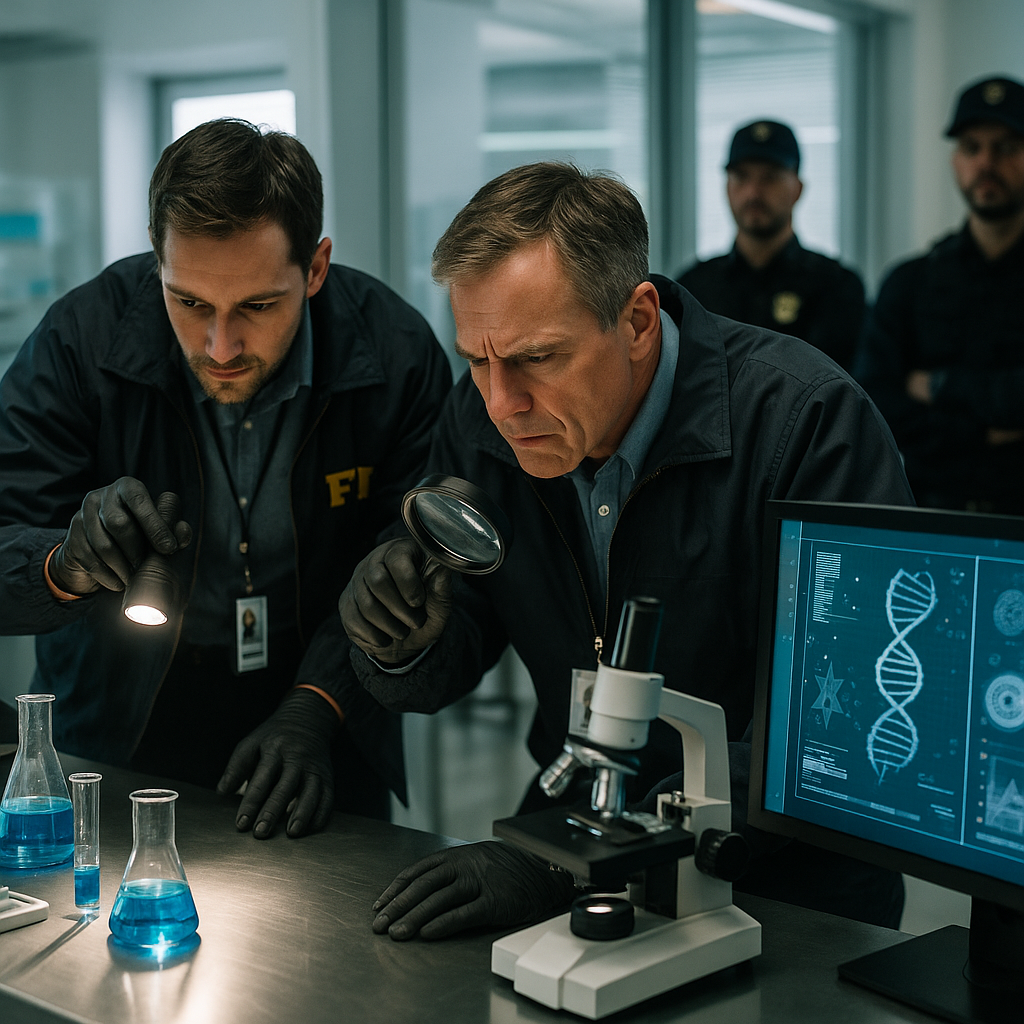
FBI officials, speaking anonymously to Daily Mail, suggested that these events could be linked to international espionage efforts, potentially involving rival nations seeking to steal U.S. scientific advancements. However, no definitive answers have emerged, leaving room for speculation and increasing concern among industry observers.
Advanced Technologies: A Common Thread Among Victims?
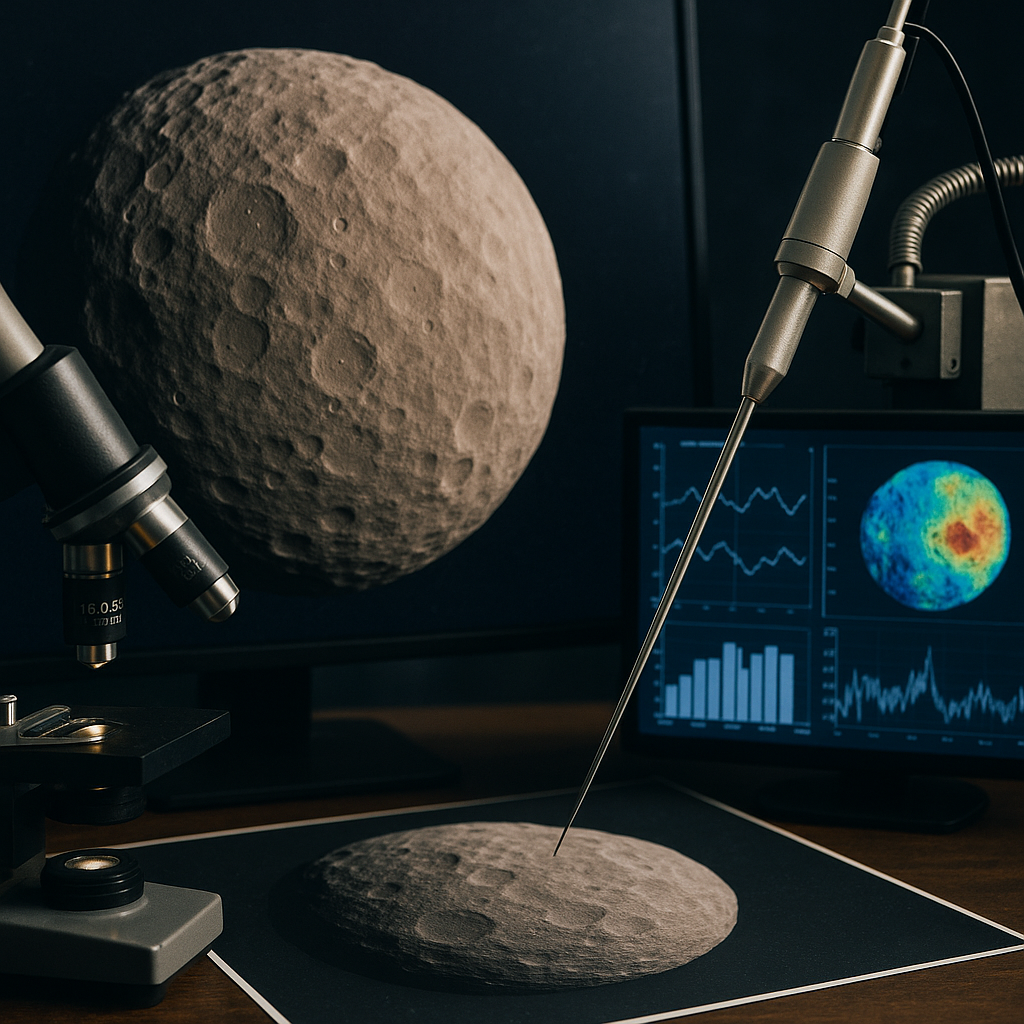
One intriguing aspect of these incidents is the overlap between the scientists’ specialized fields of research and U.S. strategic interests. Many were involved in sensitive areas from quantum computing to aerospace engineering. The timing of these events also coincides with breakthroughs in technology, such as the discovery of a frozen ocean world on Ceres, reported by The Brighter Side. The scars on Ceres—now understood to reveal clues about its history—could tie into long-term extraterrestrial studies, a highly classified area.
Additionally, scientists researching clean energy solutions and propulsion technologies have reportedly been working on projects with significant military applications. Could such innovations make these researchers vulnerable to targeting by state-sponsored operatives or independent actors trying to thwart U.S. advancements?
Federal Investigation and Public Response
Amid the growing concerns, a public federal investigation has quietly commenced. Law enforcement agencies and intelligence operatives are comparing patterns among these cases, including life circumstances of each scientist, their respective affiliations, and whether access to U.S. secrets could make them particular targets.
The investigation has received heightened interest after Daily Mail quoted a former FBI boss suggesting a “chilling plot” unfolding behind these incidents. While no official suspects have been named, analysts point to geopolitical tensions as a plausible motive. As reported by Legal Insurrection, national security officials argue the incidents could involve entities “closely tracking U.S. breakthroughs in fields with global competitive stakes.”
Public concern, meanwhile, continues to rise. Professional communities, from science academies to tech forums, have raised questions about the security measures surrounding sensitive research. “How do we better protect our country’s intellectual assets and the people driving them forward?” asked a recently retired defense expert during a public panel discussion on innovation security.
Unanswered Questions and Implications
The deaths and disappearances leave many critical questions unanswered: Who—or what—is behind the pattern? Are international actors subtly targeting key innovators? Or could internal factors, such as workplace hazards in high-stakes research, play a role?
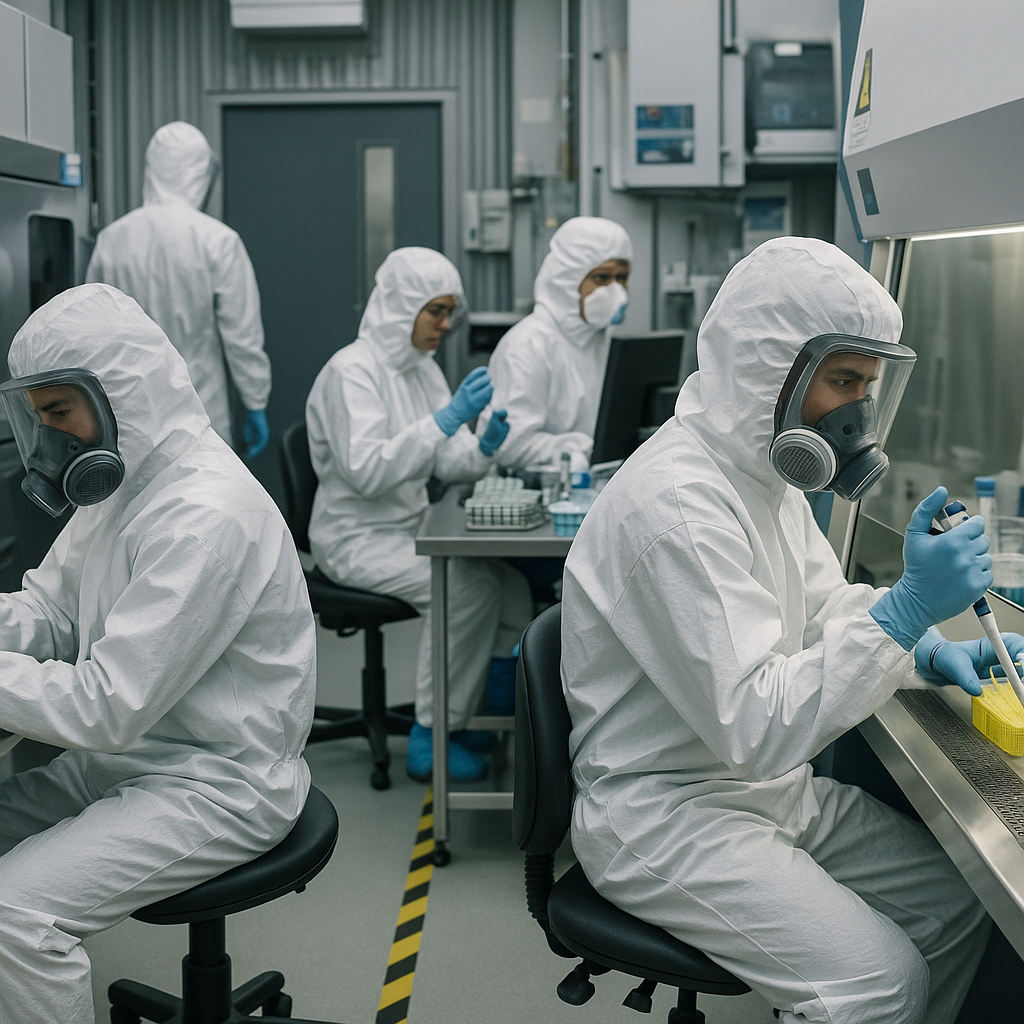
Without clear resolutions to these cases, fears over scientific espionage—particularly involving emerging technologies—have become harder to ignore. Federal agencies are working to secure laboratories, enforce stricter vetting processes for personnel connected to national secrets, and recalibrate operational security for scientists involved in government-linked projects. Still, industry observers caution that a reactive approach may not be enough to prevent further incidents.
What to Watch For Next
The outcome of the ongoing federal investigation will likely shape several security policies in science and research. If espionage is linked to these incidents, diplomatic tensions with other nations could worsen. If workplace accidents or other internal factors are exposed instead, additional pressure will fall on regulating scientific environments.
In the meantime, research communities worldwide face mounting pressure to balance transparency with enhanced safeguards for scientific talent. As advancements in space exploration and propulsion technologies continue, ensuring the integrity of these projects will remain a top priority.
For now, the mysterious disappearances remain an unsettling reminder of the risks associated with advancing knowledge at the frontier of science.