Images chosen by Narwhal Cronkite
UAE Warns US It Could Sell Oil in Yuan: A Looming Challenge to the Petrodollar
In what could be the biggest shift in global energy markets since the 1970s, the United Arab Emirates (UAE) has privately warned the United States that a war-induced dollar shortage might compel the oil-exporting nation to conduct energy transactions in Chinese yuan. As geopolitical tremors ripple across the Strait of Hormuz, the specter of a weakened petrodollar looms, threatening the financial dominance of the U.S. dollar—a cornerstone of modern global economics.
The Petrodollar’s Fragile Foundation
Since its inception in the early 1970s, the petrodollar system—where major oil transactions are conducted in U.S. dollars—has been a pillar of American financial influence. It enables the United States to maintain vast liquidity and reinforces the global demand for its currency. However, the UAE’s warning signals an emerging vulnerability in this system, one exacerbated by war, evolving alliances, and shifts in the energy landscape.
According to Defence Security Asia, UAE Central Bank Governor Khaled Mohamed Balama recently conveyed this message to U.S. officials during high-level meetings in Washington. The growing disruptions caused by Iranian missile attacks and drone strikes in the Gulf region—particularly on Emirati energy infrastructure—have magnified the strain on oil exports and, consequently, on dollar liquidity. While the UAE retains substantial reserves of over $270 billion, prolonged disruptions could potentially exhaust these resources, forcing oil sales in alternate currencies such as the Chinese yuan.
The stakes are high for both nations. Such a move could significantly elevate the yuan’s role in global markets, paving the way for Chinese ambitions to internationalize its currency. For the U.S., not only does this represent a critical test of its economic dominance, but it also highlights the risks of geographically concentrated geopolitical conflicts spilling into the realm of global finance.

Strait of Hormuz: A Strategic Pressure Point
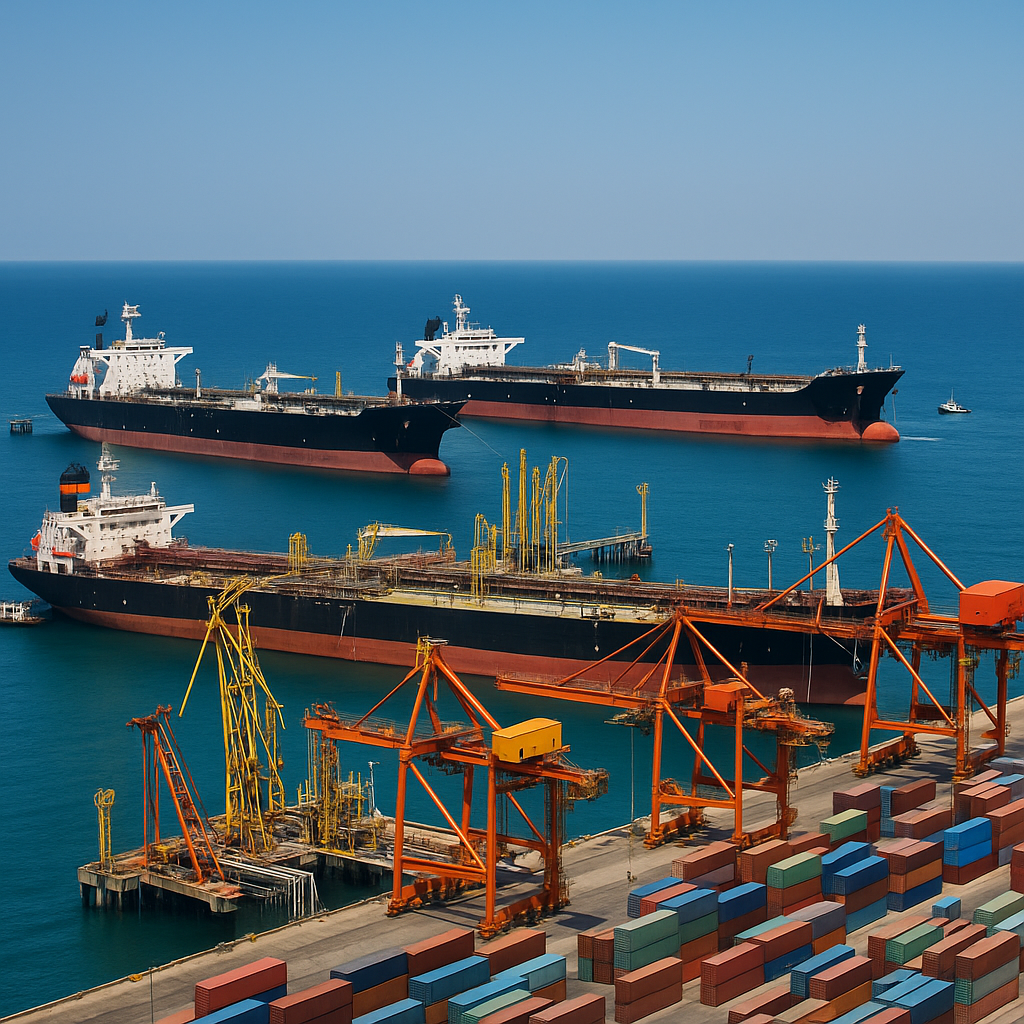
The Strait of Hormuz, which serves as a conduit for roughly 20% of globally traded oil, has long been a geopolitical flashpoint. Its significance extends beyond energy markets, as it represents a critical bottleneck in global trade. Recent attacks involving over 2,800 drones and missiles have disrupted tanker movements and severely impacted Emirati export revenues, underscoring the vulnerability of energy-dependent economies during military escalations.
These disruptions are not isolated to the UAE. Neighboring Gulf states such as Saudi Arabia and Qatar have also faced financial strain, as evidenced by their recent infusions of $5 billion into Pakistan to stabilize economic ties, according to reports from Protothema. However, the UAE’s potential pivot to using yuan for oil sales adds a more profound dimension to the crisis by challenging nearly half a century of dollar hegemony.
The Geopolitical Underpinnings
The UAE’s position as a key player in the Gulf places it in a precarious position. Its announcement functions both as a practical consideration amid dollar shortages and a possible diplomatic maneuver aimed at pressuring Washington for expedited financial aid. Balama’s statement may also reflect a strategic alignment with China, a rising ally in Gulf energy markets.
The UAE has already been strengthening ties with Beijing. China itself has actively sought to expand the use of its yuan in global trade, a policy aligned with its Belt and Road Initiative and broader ambitions to challenge Western economic primacy. Analysts believe the current conflict in the Gulf could inadvertently accelerate this agenda. For instance, Yahoo Finance has noted that China’s middle class is increasingly saving—a behavior that reflects broader economic uncertainty but also underscores the yuan’s growing domestic relevance.
A Potential Cascade Effect
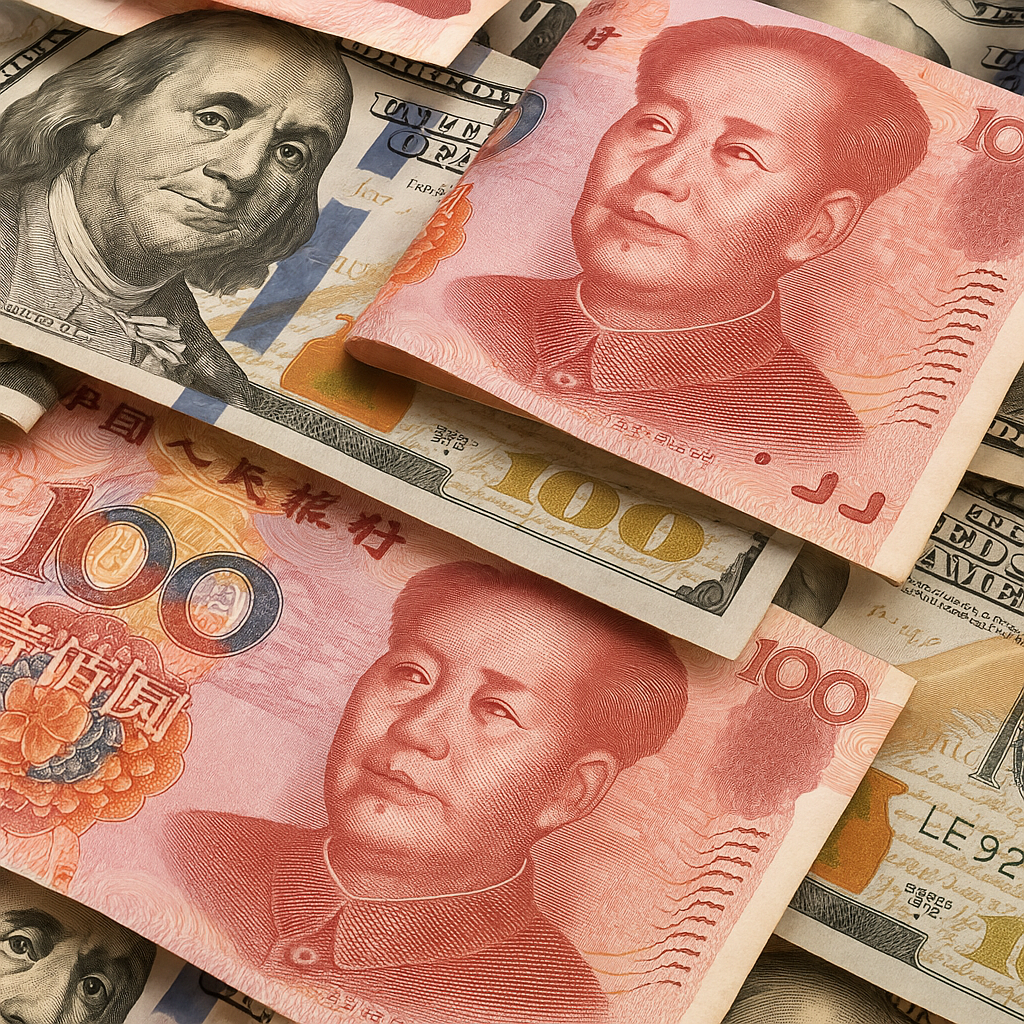
Although the shift from petrodollars to petroyuan remains speculative, the potential consequences could be seismic. If the UAE does switch to yuan for energy transactions, other oil-exporting nations might follow, particularly those already aligned with China or disillusioned with U.S. monetary policies.
The implications extend beyond currencies. Increased yuan adoption could challenge the Federal Reserve’s ability to wield influence through monetary mechanisms, such as interest rate adjustments. Furthermore, energy-importing nations might consider diversifying their reserves from predominantly dollars to a basket of currencies, eroding the dollar’s global supremacy and reshaping international trade norms.
What’s Next for the Global Economy?
The UAE’s moves should be interpreted as part of a larger, growing trend that questions the dollar’s singular role in global markets. The ongoing Gulf conflict has exposed vulnerabilities not only in physical energy supplies but also in the financial instruments underpinning them. As China continues to push for a greater role in global trade, the petrodollar system may meet its most formidable challenger yet.
Going forward, much will depend on the U.S. response. Whether through bolstered military support in the Gulf, monetary aid to its allies, or diplomatic efforts to stabilize oil markets, America’s actions will play a decisive role in averting a potential currency shift. Attention will also pivot to OPEC’s next moves, particularly in navigating the fine balance between maintaining oil price stability and addressing the geopolitical challenges that threaten member nations.
The coming months could be pivotal not only for oil exporters like the UAE but for the global financial system as a whole. For now, industry observers and policymakers alike will keep a close watch on both Washington and Beijing as they vie for influence in an increasingly multipolar world economy.