Images chosen by Narwhal Cronkite
Falklands Sovereignty: UK Stance Firm Amid Reports of US Reevaluation
The sovereignty debate surrounding the Falkland Islands has resurfaced in political conversations following reports that the United States may reevaluate its position on Britain’s claim to the territory. The revelation comes amid wider discussions about the US’s role in NATO and its expectation of solidarity from allies. Downing Street’s response, however, is resolute: the Falkland Islands remain under UK sovereignty and uphold the principle of self-determination for their residents. But why is this issue cropping up now, and what does it signify?

Why the Falklands Matters
The Falkland Islands, consisting of approximately 770 islands in the South Atlantic, are home to a population of less than 4,000 people but wield outsized geopolitical significance. For the UK, retaining sovereignty over the Falklands reflects both historical ties and the principle of self-determination—as evidenced by a 2013 referendum, where 99.8% of Falkland Islanders voted to remain a British overseas territory.
Argentina has long disputed Britain’s claim, asserting that the islands, which it calls the “Islas Malvinas,” are Argentine territory. The matter escalated into armed conflict during the Falklands War in 1982 and has remained a sensitive issue for both nations since. For the United States, the Falklands are ostensibly less critical—historically, previous administrations have refrained from taking an explicit position on territorial sovereignty. However, the islands are emblematic of broader geopolitical dynamics, particularly within NATO.
US Review Sparks Diplomatic Concern
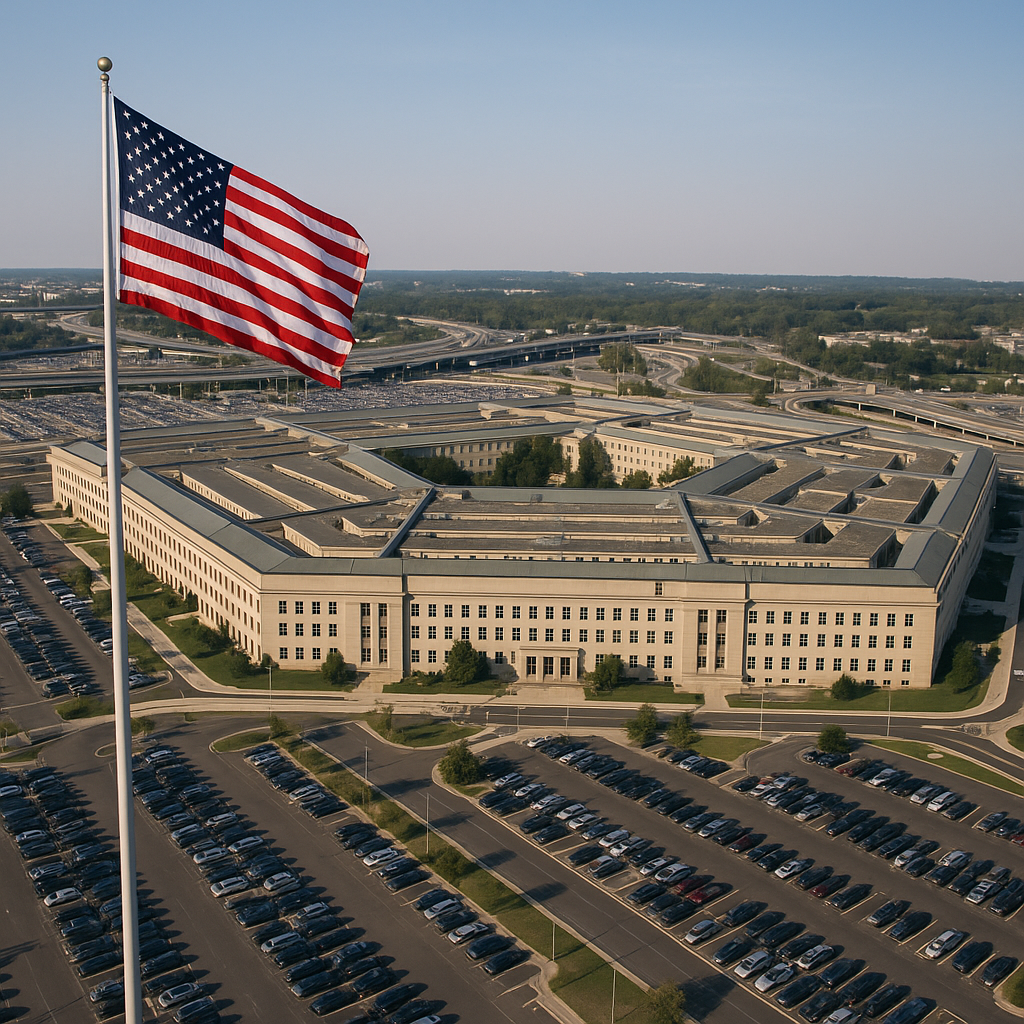
A report from Reuters revealed that an internal Pentagon email discussed options to penalize NATO allies that failed to demonstrate support during America’s conflict with Iran. Among these options was reconsidering the US’s stance on the Falkland Islands, a potential diplomatic signal to the UK, Spain, and others. While the Pentagon has neither confirmed nor denied the email’s existence, analysts believe its implications could strain US-UK relations—a longstanding cornerstone of Western defense diplomacy.
The broader warning included a push by the Pentagon to ensure that NATO allies “are no longer a paper tiger,” signaling frustrations within Washington over perceptions of uneven burden-sharing during international crises. President Trump’s administration has amplified such critiques, emphasizing contributions—or perceived lack thereof—from traditional allies.
UK Government: Falklands Sovereignty ‘Non-Negotiable’
In response to the report, the UK government reinforced its stance on Falkland sovereignty, emphasizing its unwavering support for the islanders’ right to self-determination. “The Falkland Islands have previously voted overwhelmingly in favor of remaining a UK overseas territory, and we’ve always stood behind the islanders’ right to self-determination,” said a No 10 spokesperson on Friday.
Echoing this sentiment, Prime Minister Rishi Sunak’s office dismissed speculation that the US review could force concessions. “We’ve expressed this position previously clearly and consistently to successive US administrations, and nothing is going to change that,” the spokesperson added. This hardline response underscores the UK’s unwillingness to compromise on an issue it views as imbued with historical, legal, and democratic legitimacy.
The Falkland Islands government also expressed confidence in London’s commitment to defending the territory’s sovereignty. In a statement, officials said they trust the UK’s pledge to uphold self-determination—a principle enshrined in the United Nations Charter.
Political Responses Reflect Bipartisan Unity
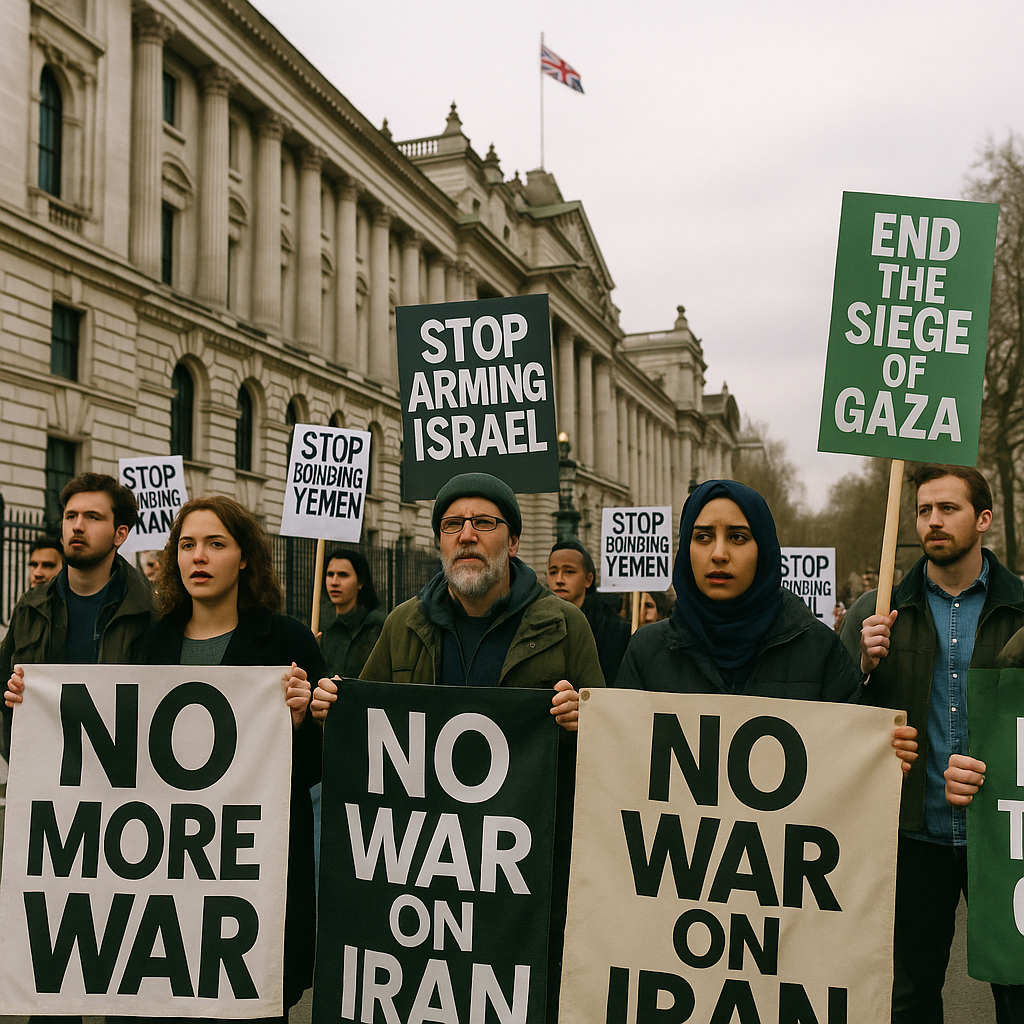
The controversy surrounding the US review has elicited responses from political leaders across the UK’s spectrum. Conservative Party leader Kemi Badenoch dismissed the reported US stance as “absolute nonsense,” while Nigel Farage from Reform UK said, “There is no way we’re even going to have a debate about the sovereignty of the Falkland Islands.” Liberal Democrat leader Sir Ed Davey, meanwhile, called for the immediate cancellation of the King’s upcoming visit to the United States, citing the need for a “firm and unequivocal” diplomatic response.
Interestingly, the issue appears to unite political adversaries against external pressures, showcasing a rare moment of bipartisan consensus on foreign policy. Whether the US genuinely intends to push this issue remains uncertain, but speculation alone has been enough to galvanize UK leaders and reinforce national solidarity over the Falklands.
Implications for Geopolitics
Any significant change in US policy toward the Falklands would carry wide-ranging diplomatic consequences. Such a shift could be perceived as undermining the UK’s territorial integrity, creating significant ripples in the Atlantic alliance. Analysts point to the symbolism of the Falklands as a “soft power lek,” where territorial disputes often exemplify broader geopolitical fault lines.
Observers also note that shifting US priorities might embolden Argentina’s renewed claims to the Falklands—a possibility that could follow President Javier Milei’s forthcoming meeting with Nigel Farage later this year. The meeting’s agenda hasn’t been disclosed, but Argentina’s stance on the Falklands will likely feature prominently.
What’s Next?
As tensions simmer, all eyes turn to Washington and London for clarifications on their respective positions. Will the US proceed with the rumored review, or was this simply an internal discussion that escaped containment? Meanwhile, UK officials are expected to double down on international lobbying, ensuring that allies remain aligned on the matter.
For now, the Falklands debate serves as a reminder of enduring tensions in global diplomacy—and important lessons about how sovereignty disputes intersect with broader political and military alliances. Whether the waters of the South Atlantic will remain calm or see renewed storms will depend largely on how both Argentina and the US navigate this sensitive terrain in the weeks ahead.