Images chosen by Narwhal Cronkite
Millionaire Big Game Hunter’s Tragic Death: Analysis and Consequences
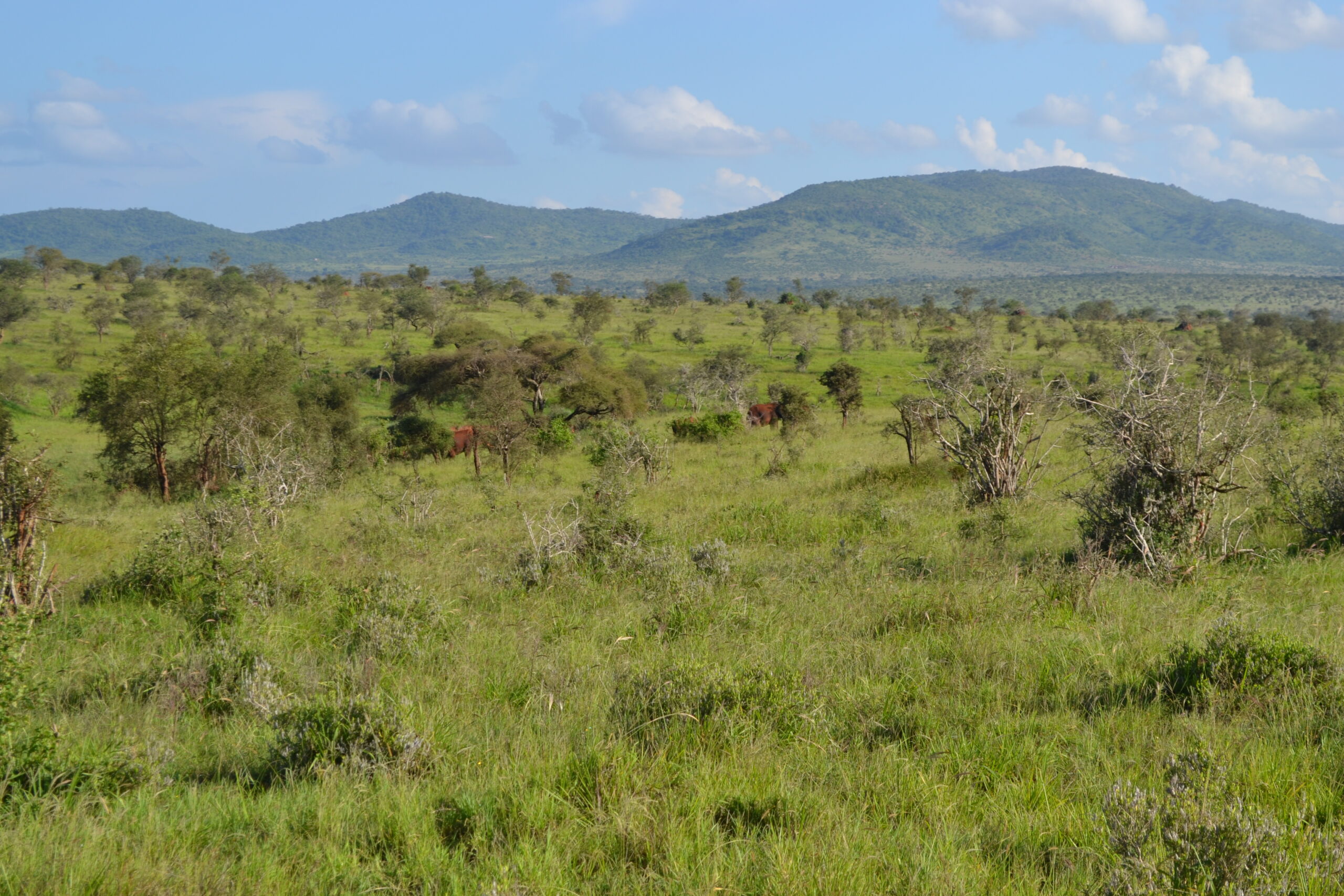
The global debate around big game hunting has reignited after a fatal incident in central Africa. A 75-year-old American millionaire, renowned for his participation in big game hunts, was trampled to death by five elephants while hunting antelope. This rare and dramatic event raises significant questions about conservation ethics, human interaction with wildlife, and the risks inherent in hunting practices.
Who was the Hunter?
The man at the center of this incident reportedly held a large fortune amassed through a career in professional services but became widely known for his controversial big game hunting expeditions. While his identity has not been officially confirmed, sources describe him as a passionate participant in trophy hunting, a pursuit undertaken by some wealthy individuals for sport, status, or thrill.
Trophy hunting has long been a divisive issue, with proponents arguing that the activity helps generate revenue for conservation efforts, while opponents highlight its ethical and ecological implications. It is unclear whether this individual’s hunt was part of an organized conservation program or a private venture, but the incident underscores the unpredictable nature of encounters with Africa’s wildlife.
The Daily Mail reported that the hunter’s objective was to track an antelope but instead encountered a group of elephants. Believed to be startled by a sudden movement or noise, the animals aggressively reacted, leading to his tragic death. This highlights the tremendous risk associated with wildlife hunting, even for those with extensive experience.
Big Game Hunting: A Controversial Pastime
Trophy hunting remains one of the most contentious practices in international wildlife conservation. According to the International Union for Conservation of Nature (IUCN), revenue generated from licensed hunting can directly fund wildlife preservation efforts, including anti-poaching patrols and habitat management. For example, studies in South Africa have claimed that proceeds from sustainable hunting contribute significantly to managing park areas and maintaining local ecosystems.
However, widespread criticism of trophy hunting persists. Organizations like the World Wildlife Fund and Humane Society International argue that killing animals for sport poses serious risks to endangered populations, disrupts natural behavior patterns, and erodes public appreciation for wildlife. The case of the hunter’s death is likely to sharpen the focus on the human costs—whether emotional or physical—of pursuing dangerous species in unpredictable environments.
The Role of Elephants in Conservation Debates
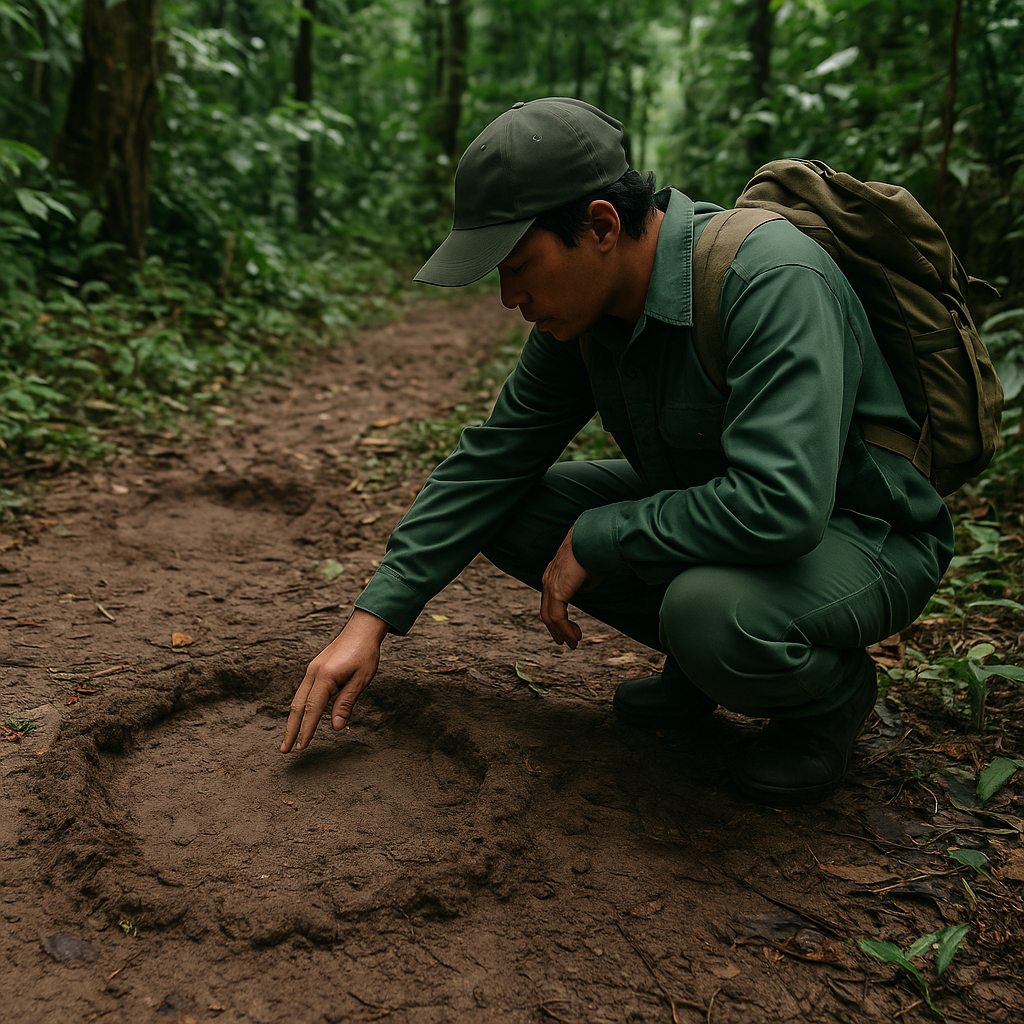
Elephants hold a paramount role in conservation debates due to their ecological significance and status as one of Africa’s most frequently poached animals. The African elephant population has declined severely over the years, largely as a result of illegal ivory trade and habitat loss. Yet, licensed hunting remains a contradiction in this conversation—some governments permit elephant hunts to control population or generate conservation revenue.
This incident also highlights the dangers of human-wildlife interaction. Wildlife experts stress that elephants are highly intelligent animals, capable of complex communication and familial bonds. They are generally peaceful but can become aggressive if threatened or startled. Industry observers pointed out that an unanticipated close-range encounter of this nature often leads wildlife to react defensively.
While the tragedy prompts sympathy for the hunter’s personal fate, analysts caution communities operating near elephant habitats to prioritize awareness campaigns that reduce deadly interactions. It also renews calls for policy reform surrounding hunting permits and ecological safeguards to protect both humans and animals.
Public Reactions and Ethical Questions
The global reaction to news of the hunter’s death has been divided, mirroring the polarizing nature of big game hunting itself. Conservation advocates expressed concerns over the broader implications of such incidents, citing risks posed to local communities when hunters disrupt ecosystems. Others questioned the necessity—and ethical reasoning—of traveling long distances, spending vast sums of money, and risking personal safety to harm animals classified as endangered.
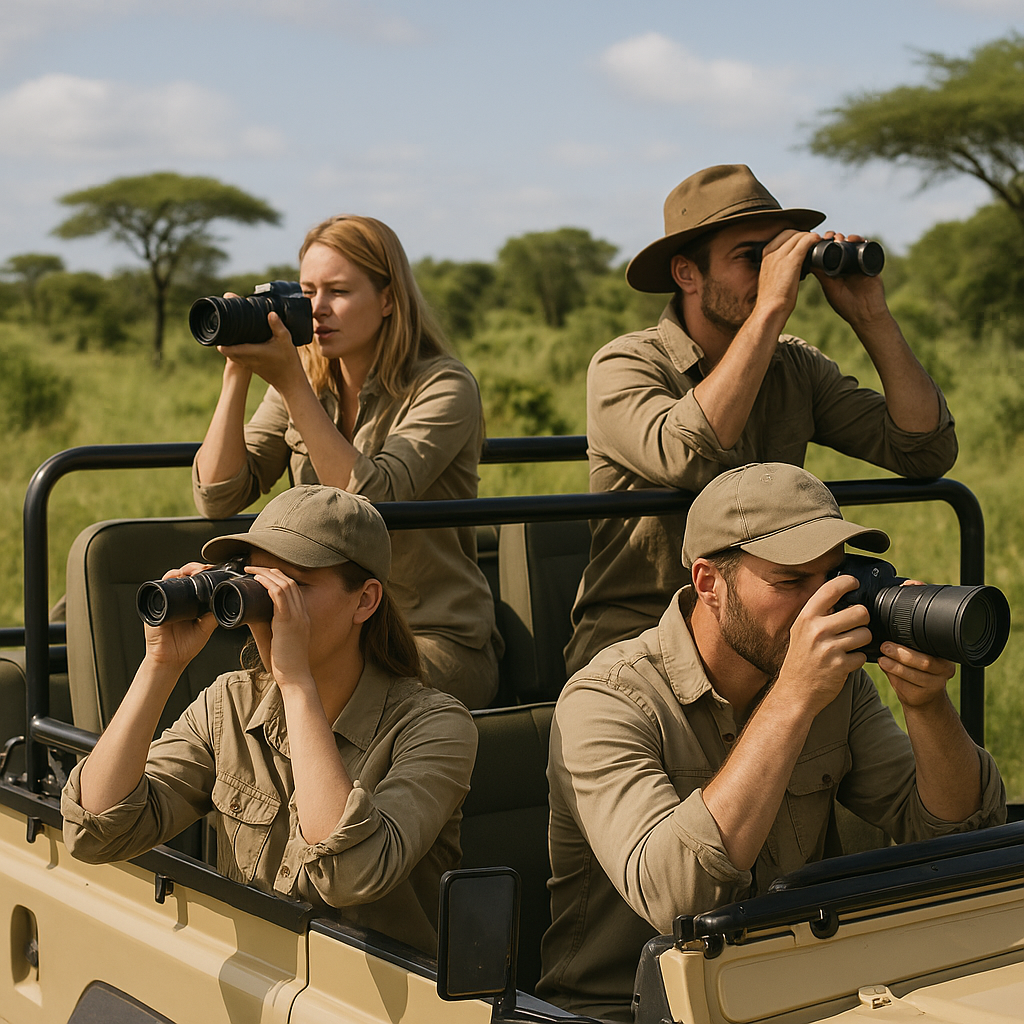
One wildlife analyst noted, “Incidents like these should prompt introspection within the hunting industry. Can we truly justify conservation via killing? Or should we explore safer, sustainable alternatives such as ecotourism?” Indeed, ecotourism—focused on observing and photographing wildlife rather than hunting—is often touted as a lucrative, guilt-free alternative, though criticisms around its scalability remain.
Conversely, some members of the hunting community point to the positive financial impact that trophy hunting can have. For example, Namibia’s community-based natural resource programs reportedly reinvest a significant portion of hunting fees into local healthcare, education, and conservation initiatives.
Implications and What’s Next?
While this story gripped headlines due to its shocking nature, its aftermath begs deeper scrutiny. Governments across Africa are likely to face growing calls for reassessment of policies surrounding wildlife hunting permits, particularly for vulnerable species like elephants and antelopes. Safety regulations and conservation priorities must also evolve to meet the complex challenges posed by human-wildlife conflicts.
Moreover, conservation organizations could seize this opportunity to advocate for broader adoption of ecotourism as a replacement for trophy hunting. A pivot toward alternatives that preserve wildlife while offering economic benefits will likely require financial incentives, public education campaigns, and international cooperation.
As the global community debates the thorny ethics surrounding trophy hunting, this tragedy stands as a stark reminder of the complex, often dangerous relationship humans have with nature. Encouraging respect and coexistence might become the ultimate resolution in this conversation.