Images chosen by Narwhal Cronkite
Trump Orders ‘Shoot-to-Kill’ Action on Iranian Vessels in Strait of Hormuz
In a decisive and highly controversial move, former U.S. President Donald Trump has ordered the U.S. Navy to engage in “shoot-to-kill” actions against Iranian vessels allegedly laying mines in the Strait of Hormuz. This directive, communicated through a post on Truth Social, has reignited global debates about maritime security, energy stability, and escalating tensions in the Gulf.
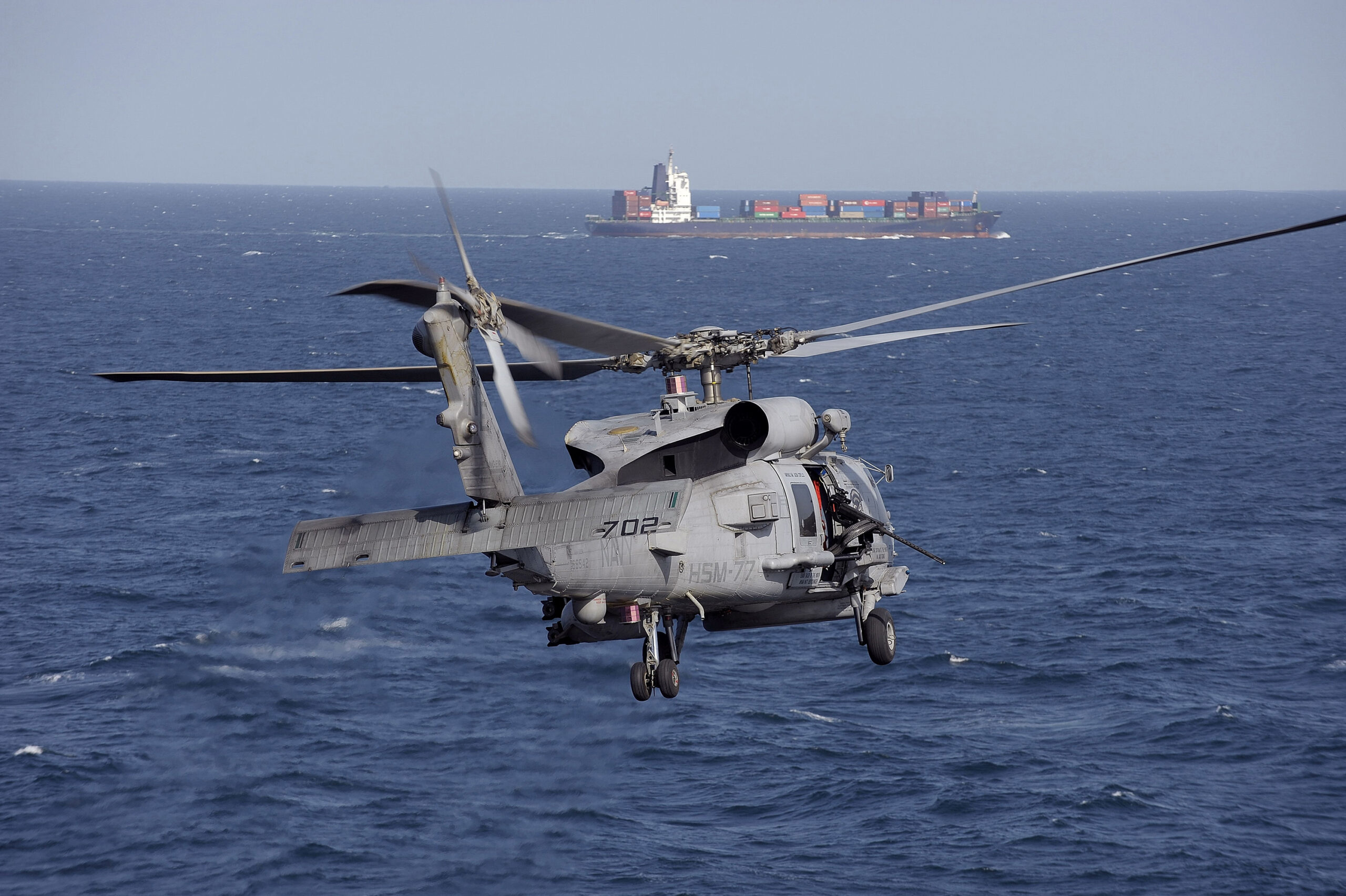
DANIEL_WALFORD/U.S. Navy (Public domain)
The Strait of Hormuz: Choke Point of Global Trade
The Strait of Hormuz is widely regarded as one of the most strategically significant waterways in the world. Linking the Persian Gulf with the Gulf of Oman and the Arabian Sea, this narrow maritime passage handles approximately 20% of the world’s oil trade. The importance of the strait for global energy markets cannot be overstated, and any disruption to its stability triggers waves of concern across economies, industries, and governments worldwide.
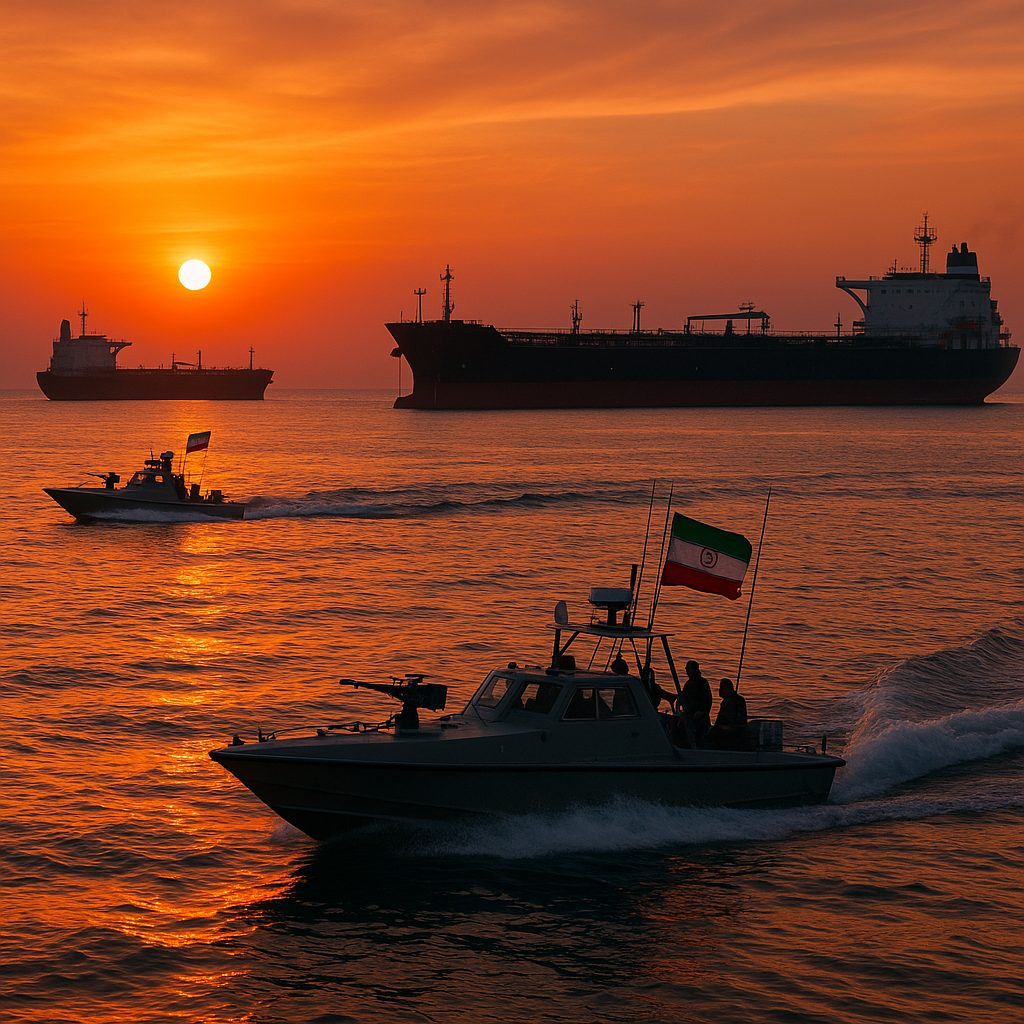
Iran’s recent actions in the region have exacerbated existing tensions. According to reports, Iranian forces have seized two vessels in these waters, further compounding an already fragile status quo. While maritime confrontations in this corridor are not new, Trump’s directive to eliminate threats with military force marks an escalation in U.S. involvement, one that many analysts believe could reshape the delicate balance of power in the Gulf.
Trump’s Command and a Policy of Zero Hesitation
“I have ordered the United States Navy to shoot and kill any boat, small boats though they may be, that is putting mines in the waters of the Strait of Hormuz,” Trump wrote on Truth Social. This no-tolerance policy underscores his administration’s hardline stance on Iran, which characterized much of his presidency. Furthermore, Trump announced the intensification of U.S. mine-sweeping operations in the strait, with efforts now being conducted “at a tripled up level.”
However, this bold rhetoric from the former president has been met with substantial skepticism from analysts. “While safeguarding critical shipping lanes is undoubtedly important, such aggressive measures risk significantly escalating tensions,” said Dr. Evelyn Karimov, a Middle East policy expert. “The Strait of Hormuz has long been a flashpoint for confrontation, but the stakes now feel unusually high.”
Escalating Gulf Tensions and Conflicting Diplomacy
The backdrop of this crisis is a two-month-long conflict between U.S. forces and Iranian proxies in the Gulf region. In recent weeks, Trump had hinted at a potential ceasefire, facilitated by Iranian overtures for peace talks. Nevertheless, confusion continues to cloud the truce’s status, as Tehran has yet to confirm its participation in any meaningful resolution process.
With diplomatic channels showing signs of strain, many fear that the Gulf is entering a perilous phase of instability. The risk of miscalculation or accidental escalation looms large. For Iran, controlling the Strait of Hormuz represents a key strategic aim, particularly as U.S. economic sanctions continue to squeeze its oil exports.
Observers also point out that the international community has thus far remained divided in its response. While allies of the United States might support its calls for maritime freedom and security, others are wary of unilateral military actions led by Washington. This division complicates any efforts to forge a consensus on addressing Iran’s provocative behavior in a meaningful and sustained way.
Historical Precedents and Broader Implications
This is not the first time that the U.S. has taken a firm stance in the Gulf. The “Tanker War” of the 1980s saw the U.S. engage in naval escorts and limited conflicts to protect its energy interests. However, analysts caution that the geopolitical dynamics of today are vastly different. The growing influence of China in the Middle East and the broader shift toward multipolarity mean that the U.S. must navigate a range of competing interests while safeguarding its own.
Moreover, many question how the global economy will respond if tension continues to rise. “Oil markets are intrinsically linked to the stability of the Strait of Hormuz,” noted Jamie Langstrom, a commodities analyst at TradeVisor. “We’ve already seen supply chain disruptions contribute to inflationary pressures on everything from energy to transportation. Another conflict in the Gulf could exacerbate these trends.”
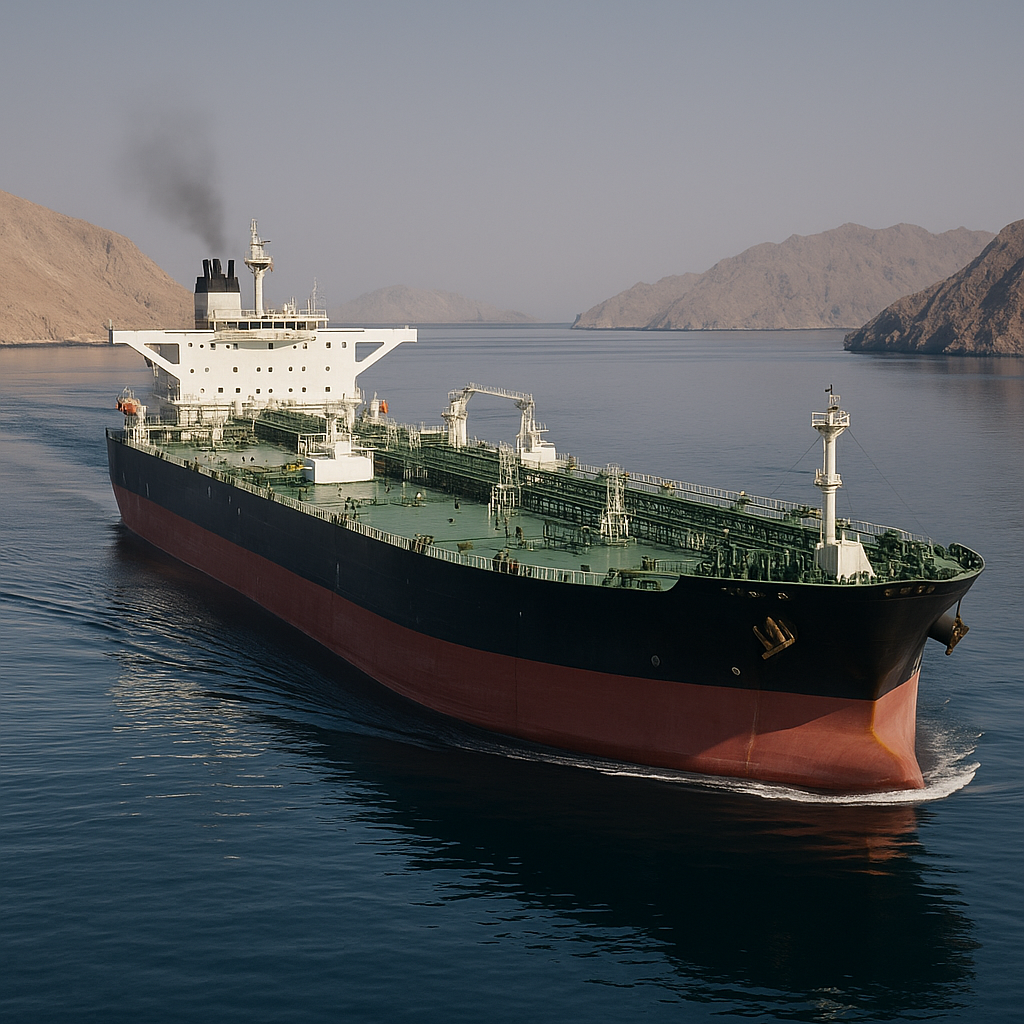
Additionally, the risks to civilian shipping cannot be dismissed. Tankers carrying crude oil and liquefied natural gas remain vulnerable to misidentification in such a volatile environment, particularly if the U.S. adopts a rigid shoot-to-kill approach. Advocacy groups have expressed concerns about the potential for human rights violations stemming from civilian casualties, should confrontations escalate further.
What Lies Ahead?
As the world watches this volatile situation unfold, several key questions remain unanswered. Will Iran respond to the U.S.’s firm military stance, and if so, how? Can Trump’s zero-tolerance directives sustain long-term security in the Strait of Hormuz, or will they backfire by provoking even more aggressive actions from Iran? Lastly, how will global economic powers—such as the European Union, China, and India—position themselves in this growing standoff?
For now, the Gulf remains a tinderbox. The ripple effects of this crisis could extend far beyond the region, with implications for energy security, international relations, and military alliances worldwide. With diplomatic uncertainty and military operations both escalating, it is clear that the world is bracing for a critical inflection point in one of its most precarious geopolitical theaters.
What happens next could define the future of maritime security and the economic stability tied so closely to the Gulf.