Images chosen by Narwhal Cronkite
Louisiana Governor Postpones May Primary to Redraw US House Map
This week, a significant political development caught the country’s attention: Louisiana Governor John Bel Edwards announced plans to suspend the state’s May primary elections to allow for redistricting the U.S. House map, reports The Washington Post. The move comes against the backdrop of a national debate over voting accessibility, redistricting procedures, and fair representation in the legislative branch.
The decision has stirred considerable discussion among political analysts, legal experts, and civic organizations, who are weighing its practical implications for democracy in Louisiana and beyond. As talks of redistricting continue to dominate conversations across the U.S., the governor’s decision raises fundamental questions about voter rights, political balance, and state governance. Here’s a comprehensive look at the unfolding story.

Examining the Context: Why Redistricting Matters
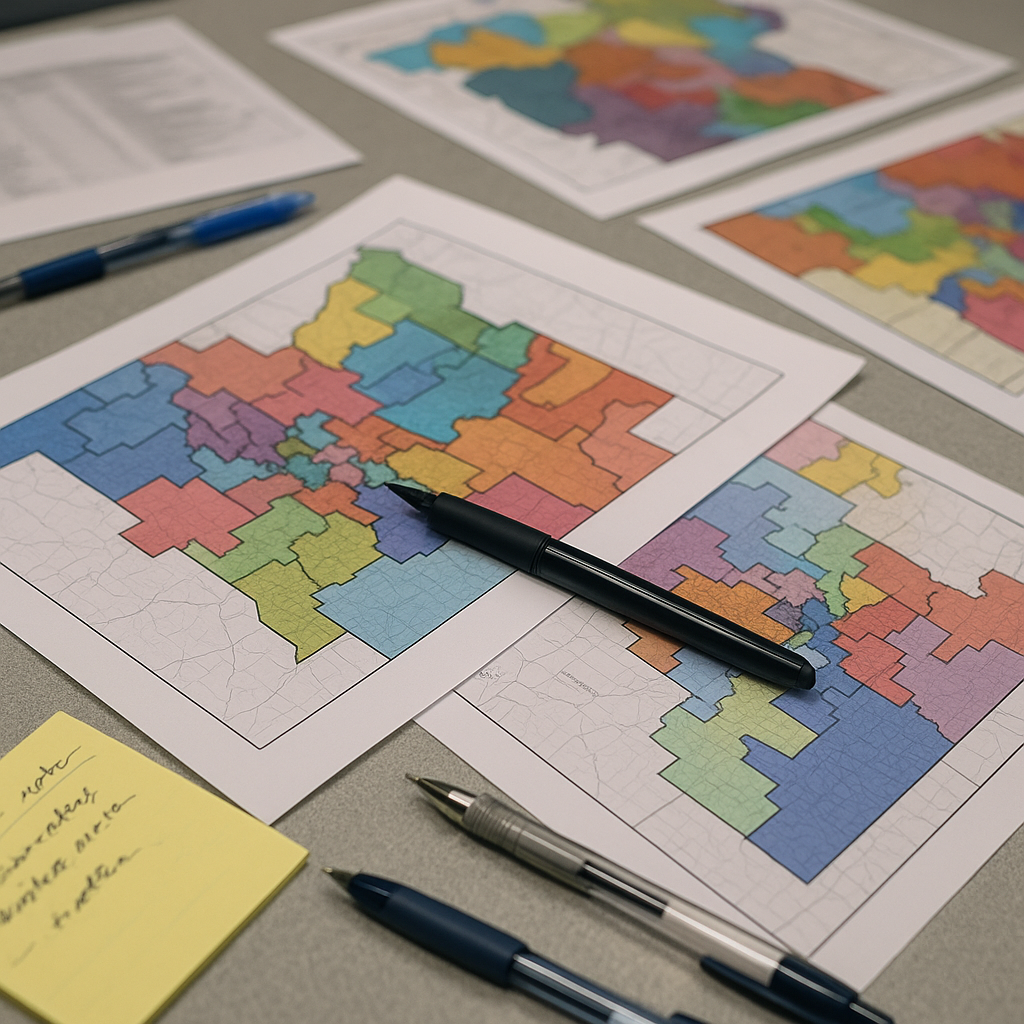
Redistricting, the process of redrawing legislative district boundaries, directly affects how congressional representatives are chosen. This process typically follows the decennial U.S. Census, which determines population changes and shifts. The goal is to ensure districts represent an equal number of constituents, but the implementation is often fraught with controversy. Critics argue that partisan gerrymandering—manipulating district lines to favor one political party—undermines the democratic process.
For Louisiana, the stakes are high. The state’s congressional map has long been a point of contention, with accusations that district boundaries dilute minority voter influence. According to Reuters, civil rights organizations have voiced concerns that the current map underrepresents African-American voters, who make up roughly one-third of Louisiana’s population.
The governor’s decision to delay the primary and revisit the map highlights a broader struggle over equitable representation. While some applaud the move as a step toward fairness, others warn about the potential for legal challenges and voter confusion stemming from altered election timelines.
Balancing Governance and Legal Precedents
The legal landscape surrounding redistricting is complex. In recent years, courts across the U.S. have wrestled with cases examining the fairness of state-drawn congressional maps. Louisiana itself is no stranger to litigation in this arena. In 2022, the U.S. Supreme Court allowed the state’s congressional map to remain in place temporarily, despite a lower court ruling indicating that it likely violated the Voting Rights Act.
This history underscores the sensitivity of the governor’s strategy. “The decision to suspend an election is not a step taken lightly,” says Dr. Amelia Carter, a political science professor at Tulane University. “It brings administrative challenges, potential lawsuits, and, importantly, impacts voter trust.”
The Voting Rights Act of 1965 remains a key legal safeguard to protect voters from discriminatory practices, and its application is central to Louisiana’s redistricting battle. Whether the governor’s efforts will pass judicial scrutiny is yet to be seen, but experts suggest that any revised map is likely to face intense legal and political examination.
Broader Implications Across the U.S.
Louisiana’s decision to delay a primary election in favor of redistricting reflects broader national trends, where redistricting fights have become increasingly contentious. States such as North Carolina, Texas, and Wisconsin have also seen their efforts embroiled in protracted legal disputes, often reaching the Supreme Court.
“This isn’t just a Louisiana story; it’s a microcosm of a nationwide struggle,” notes Rachel Simmons, an attorney specializing in electoral law. “How states approach redistricting speaks to how seriously they prioritize equitable representation for all citizens.”
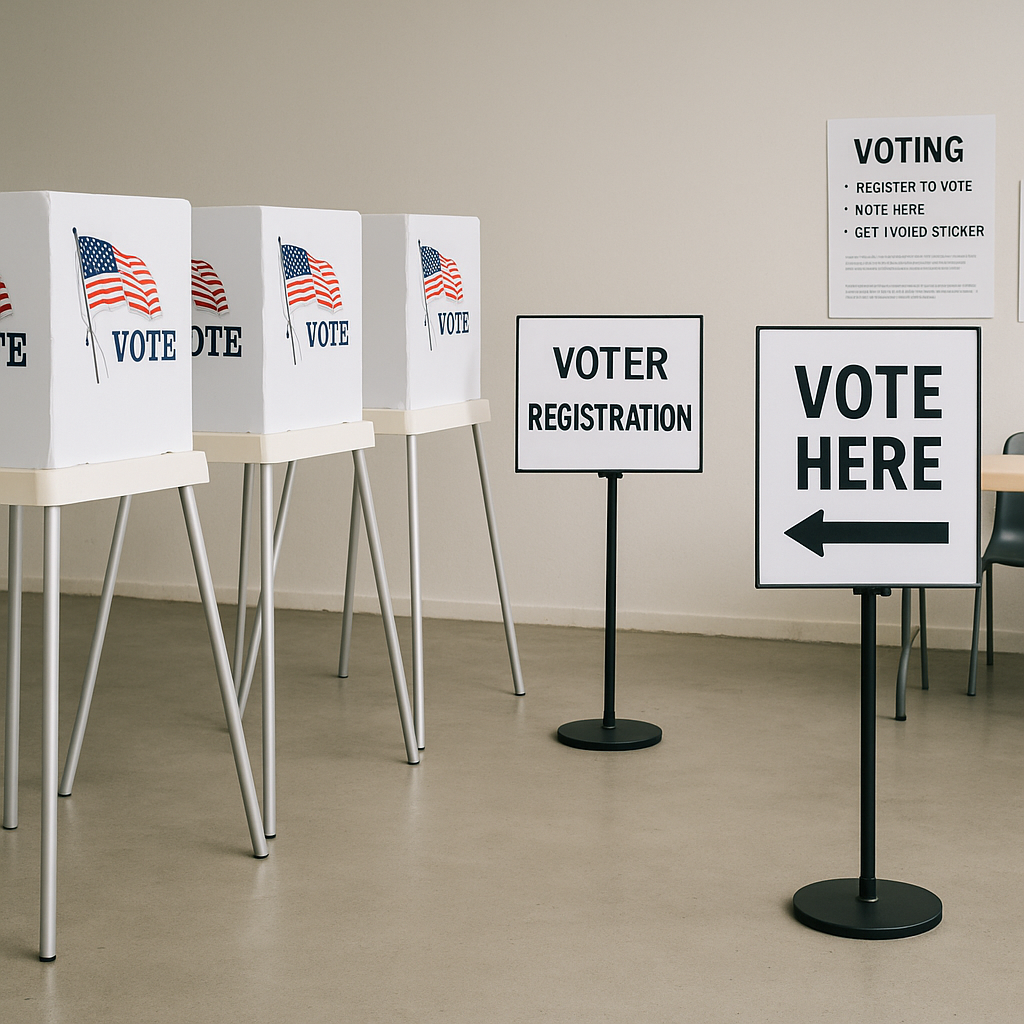
Observers are quick to point out that changes to election timelines—though rare—can have cascading effects. For residents, it may mean a condensed electoral process, altered campaign strategies, and potential confusion among voters about when and where to cast their ballots.
Public Reaction and Future Considerations
Initial reactions to Governor Edwards’ announcement have been mixed. Voting rights advocates view it as an opportunity to address what they perceive as long-standing inequities in the current congressional map. On the other hand, critics warn that delaying a primary could disrupt the democratic process and set a challenging precedent for future elections.
Some political analysts worry about the timing of the decision. “The closer we get to the general election, the more logistical hurdles arise—things like printing new ballots, updating voter rolls, and educating the public,” explains Kevin Blake, a senior analyst at the Louisiana Policy Institute. “Even well-intentioned delays can create unforeseen complications.”
What’s Next for Louisiana—and the Nation
As Louisiana prepares for the intense work of redrawing its congressional map, other states will likely watch closely for lessons and outcomes. If successful, the move could set a new precedent for how states address redistricting challenges without relying solely on judicial interventions. However, if the process falters amid legal challenges or public backlash, it may serve as a cautionary tale for others navigating similar debates.
The next steps will hinge on several key factors: the transparency of the redistricting process, the timeline for implementing changes, and the robustness of safeguards to ensure voter accessibility. For Louisiana voters—and all Americans invested in a fair democratic process—these developments will be critical to monitor in the months ahead.
Stay tuned to NarwhalTV for updates on the evolving story, as Louisiana’s precedent could shape redistricting efforts across the country.