Images chosen by Narwhal Cronkite
California Takes Legal Action to Enforce Traffic Laws on Driverless Cars
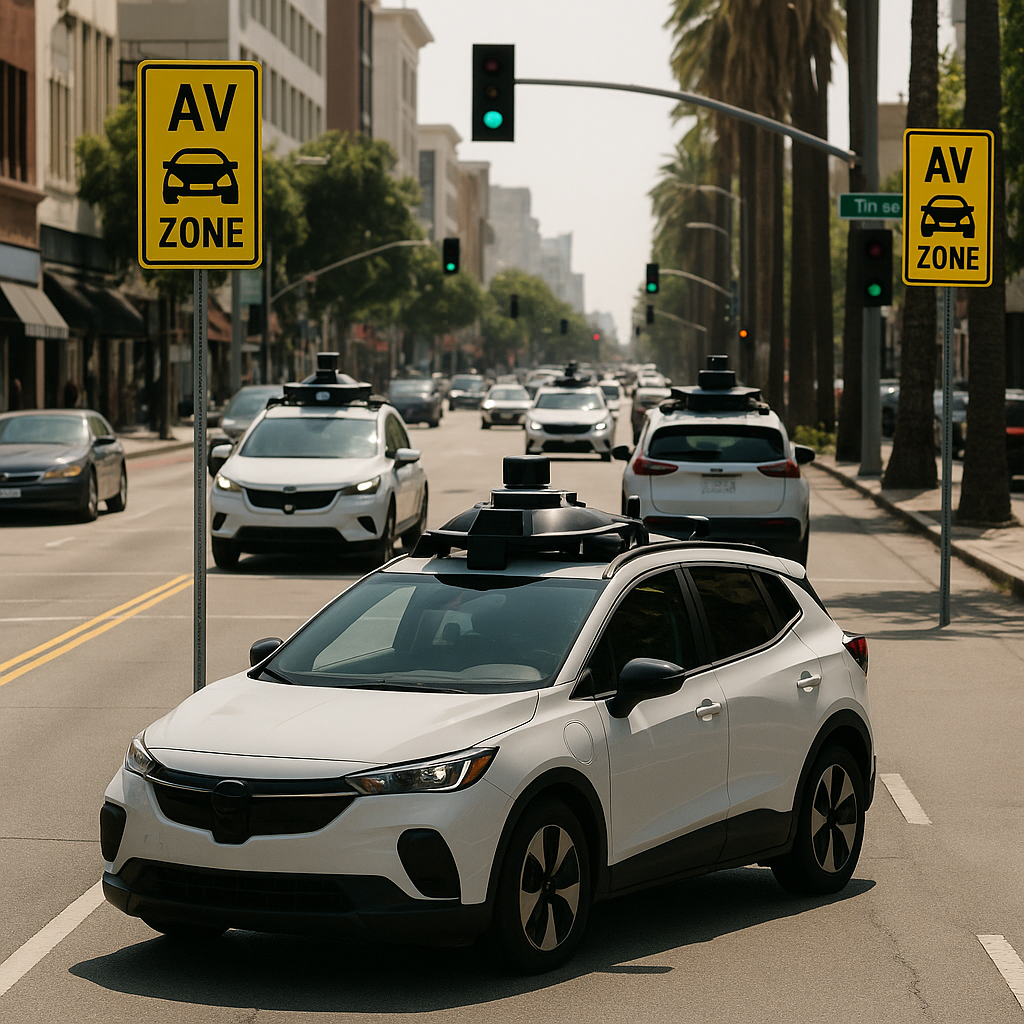
Driverless cars are no longer a futuristic concept — they are here, cruising through the streets of California’s bustling cities. But what happens when these autonomous vehicles flout traffic laws? Until now, enforcement against such violations has been a legal gray area. Starting July 1, California’s Department of Motor Vehicles (DMV) will make history by becoming the first in the U.S. to implement sweeping measures that hold autonomous car manufacturers accountable.
New Regulations Signal a Shift in Accountability
The California DMV’s newly announced rules allow law enforcement to ticket autonomous vehicles (AVs) directly through their manufacturers. Known as “notices of AV noncompliance,” these violations will skip traditional issuance to drivers—since these cars operate sans human drivers—and instead route penalties straight to the companies responsible for managing the technology.
This adds an unprecedented layer of accountability. According to the BBC, these measures are part of a broader 2024 legal framework to tighten AV regulations across the state. DMV Director Steve Gordon called the rules “the most comprehensive AV regulations in the nation,” emphasizing their focus on public safety. In addition to issuing tickets for traffic law violations, the regulations compel AV companies to respond to emergency personnel inquiries within 30 seconds and ban driverless cars from entering active emergency zones. Violating these stipulations could incur steep penalties for manufacturers.
For cities like San Francisco and Los Angeles, where driverless cars like Waymo’s robotaxis have become commonplace, these measures aim to restore order amid growing concerns over safety and operational reliability.
Past Incidents Highlight Need for Oversight
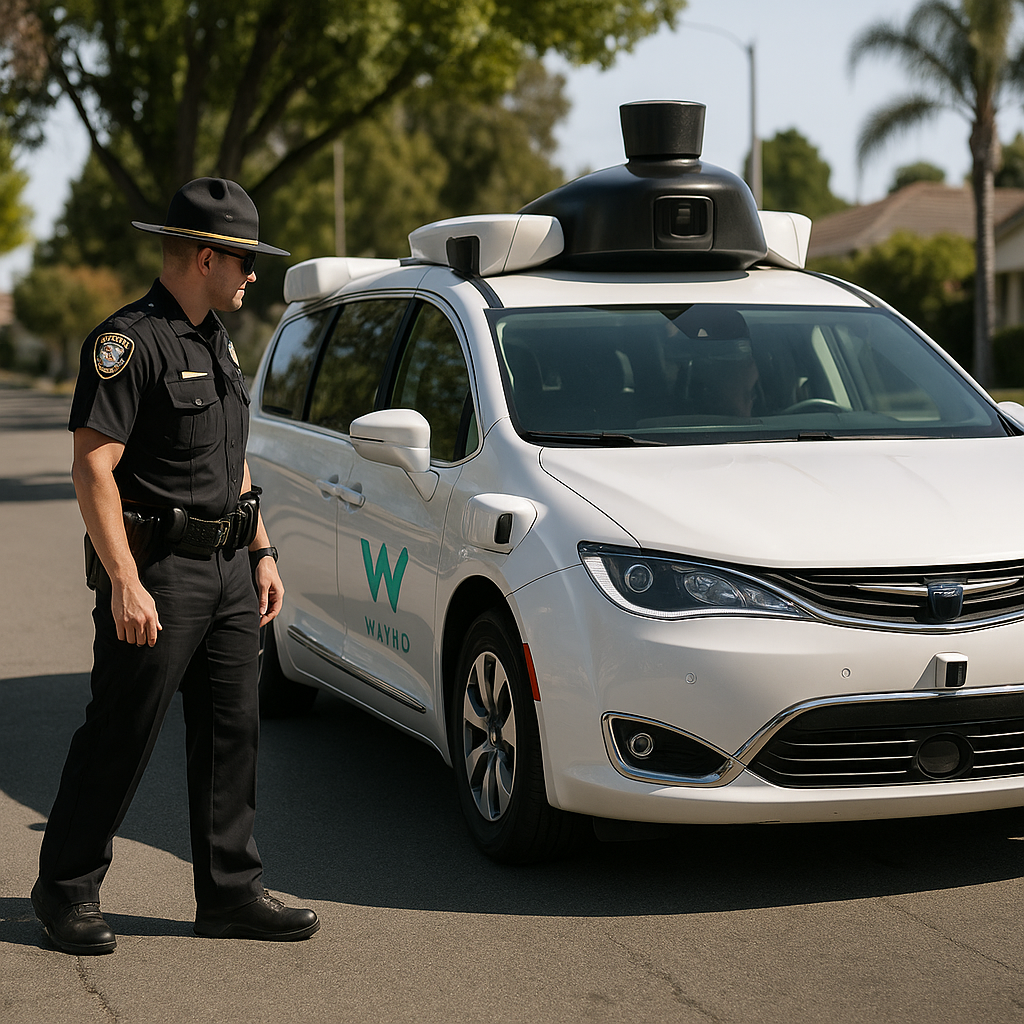
The new rules come on the heels of high-profile incidents involving driverless cars. In one case last September, San Bruno police witnessed a Waymo vehicle making an illegal U-turn directly in front of them. Due to the absence of an actual driver, officers were unable to issue a ticket—a significant loophole in enforcement. Instead, they resorted to contacting the company about the malfunction.
Another incident occurred last December during a San Francisco blackout. Dozens of Waymo vehicles stalled at intersections, aggravating traffic chaos in the city’s busiest zones. Emergency services, including the San Francisco Fire Department, have frequently voiced frustration over robotaxis hindering emergency responses. These episodes underline the urgent need for clarity, enforcement, and functional communication channels between AV manufacturers and local authorities.
Experts say these oversights have broader implications. Eric Kennedy, a transportation analyst, explains that “While AVs promise progress, isolated incidents erode public trust in the systems, especially when unforeseen issues aren’t addressed effectively.” As AV deployment escalates, regulators must ensure such technology seamlessly integrates into urban environments without compromising the safety of pedestrians and motorists.
The Challenge of Balancing Innovation and Safety
California has been at the forefront of autonomous vehicle development. Companies like Waymo and Tesla have leveraged the state’s robust tech-centric ecosystem and permissive laws to test and refine their innovations. However, rapid adoption has inevitably brought challenges, ranging from technical glitches to legal loopholes.
On the one hand, driverless cars have great potential to reduce traffic accidents, increase mobility for non-drivers, and revolutionize logistics. On the other hand, these vehicles can—and do—make mistakes, potentially jeopardizing public safety. The new rules represent California’s attempt to strike a balance between fostering technological innovation and ensuring that AV operators are held accountable for their vehicles’ actions.
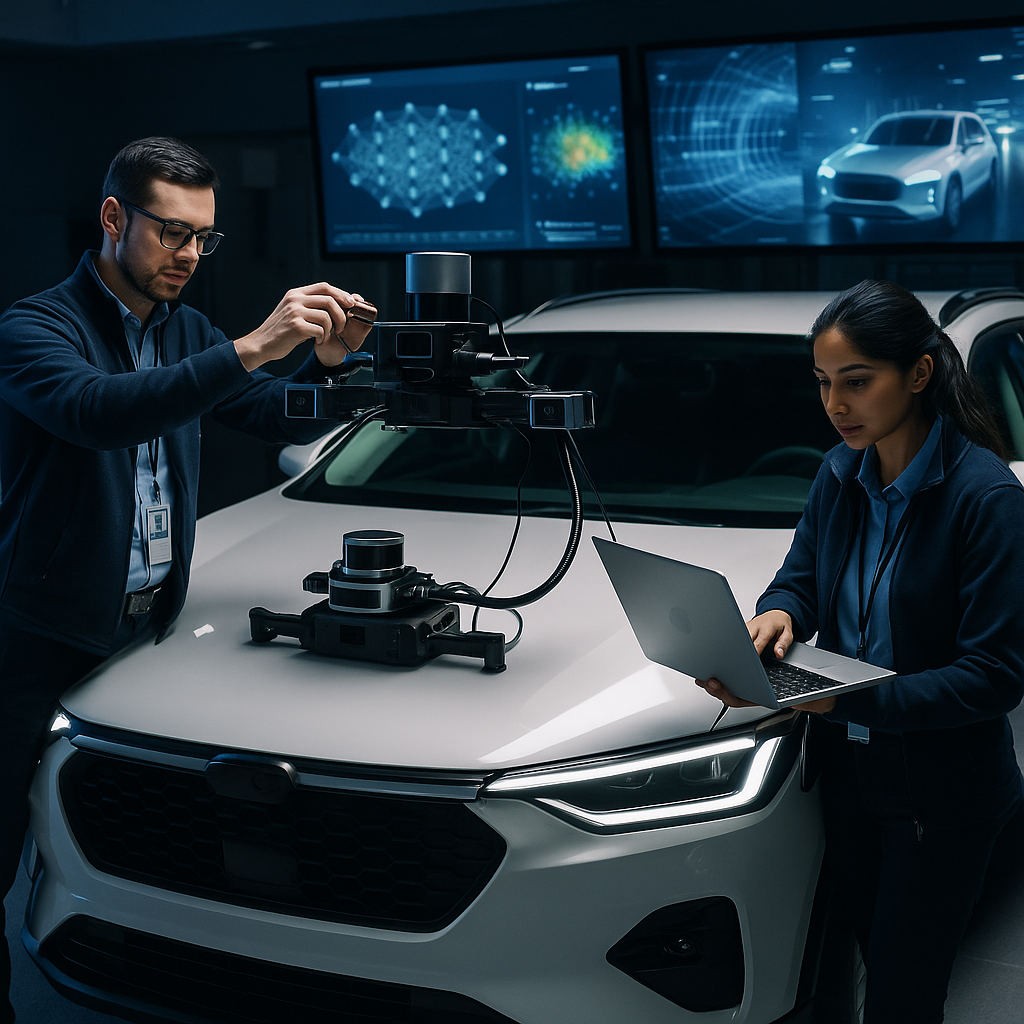
Tech enthusiasts argue that the regulations may spur adaptations, forcing AV companies to further refine sensors, algorithms, and emergency protocols. “Every ticket and penalty serves as feedback for improvement,” says Caitlyn Rios, a software engineer specializing in AV systems. “The stricter the regulations, the better-equipped these vehicles will eventually be to navigate complex human environments.”
Implications for the Industry
The regulatory shift in California will likely serve as a bellwether for other regions considering how to oversee autonomous transportation. Analysts predict wider adoption of similar legal structures across the U.S. in the coming years, particularly as AV technology expands into new markets. From an industry standpoint, these rules will push companies to adopt even stricter quality assurance processes, ultimately fostering continual technological refinement.
That said, critics point to potential downsides. For smaller AV startups without the resources of giants like Waymo or Tesla, navigating regulatory hurdles may stall innovation or raise barriers to entry. “The market could see consolidation as startups struggle to comply with costly safety and compliance requirements,” warns Cecily Hart, an automotive industry consultant. “Larger players, however, might dominate the space to an even greater extent.”
What’s Next?
Though California’s regulations have made headlines, the real test will come after July 1 when enforcement begins. To what extent will these rules help resolve issues like stalled vehicles, emergency response interference, and technical failures? Policymakers and industry stakeholders will be watching closely.
Beyond California, other states and countries may soon evaluate similar measures as driverless cars continue to proliferate. Autonomous vehicles hold immense promise, but fortifying public trust will be critical for widespread adoption—and that trust starts with accountability.
As enforcement ramps up and more data becomes available, expect further discussions on optimizing AV technology, balancing innovation with regulation, and ultimately reshaping urban mobility as we know it.