Images chosen by Narwhal Cronkite
Mark Hamill’s Controversial Post About President Trump Sparks Outrage
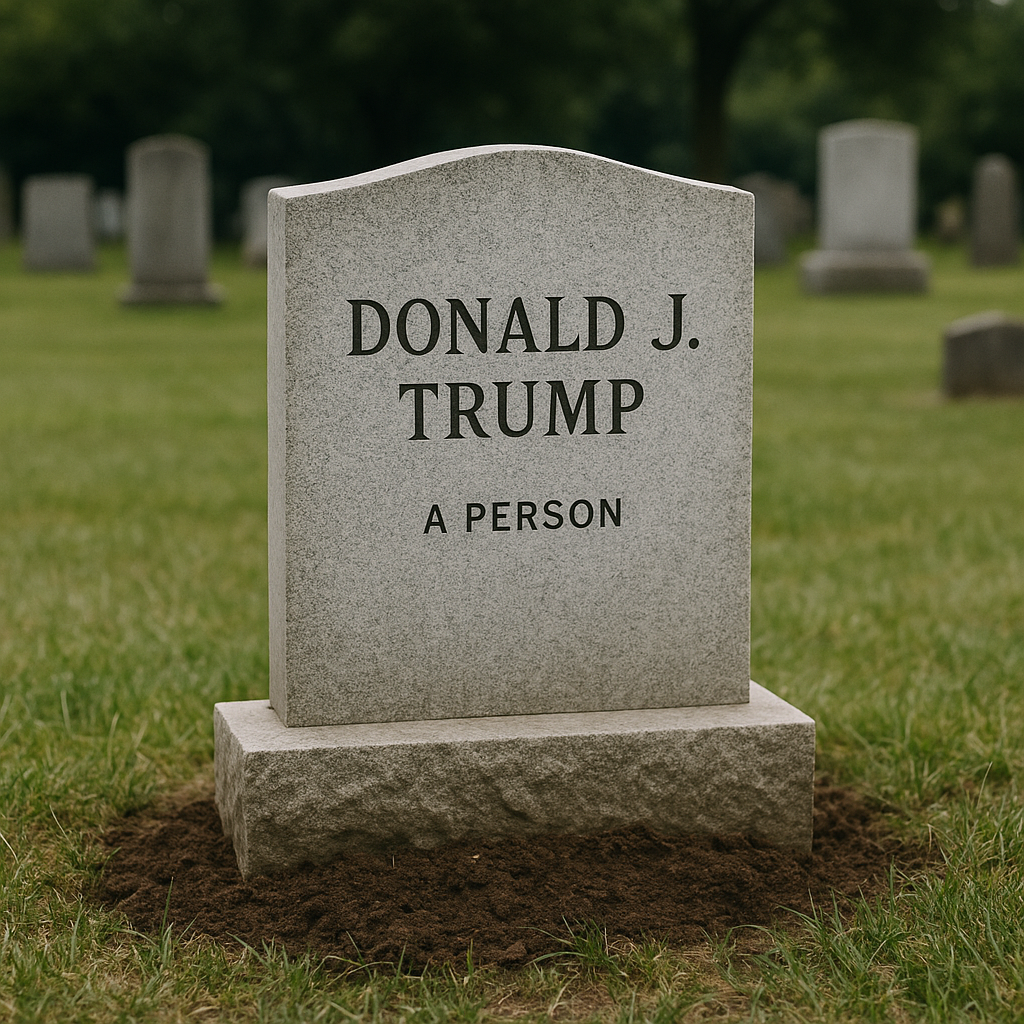
Political discourse and celebrity commentary in the United States seem to reach new peaks of polarization every day. The latest wave of controversy involves Mark Hamill—a Hollywood icon best known for portraying Luke Skywalker in the Star Wars franchise—who found himself in hot water after sharing a graphic image on Bluesky that depicts President Donald Trump dead in a grave, paired with the caption “If Only.”
A Celebrity Post That Raises Eyebrows
Mark Hamill’s post on his verified Bluesky account features an image of Trump seemingly lifeless, buried beneath a headstone reading, “DONALD J. TRUMP 1946–2024.” The image is captioned with the phrase “If Only,” which Hamill reiterated in his commentary along with a detailed statement. His post reads:
“If Only. He should live long enough to witness his inevitable devastating loss in the midterms, be held accountable for his unprecedented corruption, impeached, convicted & humiliated for his countless crimes. Long enough to realize he’ll be disgraced in the history books, forevermore. #don_TheCON.”
While Hamill’s defenders argue that the text emphasizes political accountability rather than physical harm, critics argue that the depiction of Trump in a grave undermines any such interpretation.
The Broader Context: Free Speech or Reckless Messaging?
This post comes against a backdrop of increasing violence and threats against President Trump, including assassination attempts reported in recent years. As detailed by Geeks + Gamers, the timing of Hamill’s post is especially alarming given the latest reported attempt tied to the White House Correspondents’ Dinner.
Hamill’s defenders—and others in entertainment—point out that celebrities often use their platforms to express political frustration, an act protected by free speech principles. However, many critics argue that public figures should wield their influence responsibly, particularly when discussing such contentious topics.
According to political analyst Jane Patel, “While public figures have every right to express disapproval of elected officials, imagery of this nature can fan flames in an already polarized political environment. The timing doesn’t help either, especially when rhetoric surrounding violence is already volatile.”
Celebrity Commentary and Consequences
Hamill is far from the first entertainer to draw criticism for commentary about President Trump. Late-night host Jimmy Kimmel was similarly criticized for joking about Melania Trump becoming an “expectant widow” following escalating violence against the president. Celebrity remarks of this nature often reignite debates surrounding whether Hollywood normalizes incendiary political rhetoric or unfairly targets particular figures.
The public discourse around such statements is often sharply divided along ideological lines. It is common for one side of the debate to defend celebrities’ right to satire and political commentary, while others view similar statements through the lens of intentional provocation.
Media ethics expert Dr. William Stevens suggests, “Celebrities need to be conscious of the ripple effect of their posts and statements. A comment intended as satire can easily be misread as a tacit endorsement of hostility, especially when graphic imagery is involved. This is where responsibility becomes paramount.”
The Timing: Why It Matters More Than Ever
The timing of Hamill’s post has been identified as a particularly concerning aspect by critics. With assassination incidents reportedly targeting President Trump in recent years, including one tied to a major public event just weeks ago, political violence remains a reality rather than an abstract concern.
Hamill’s defenders have attempted to contextualize the post by emphasizing his explicit statement that Trump should “live long enough” to face political and legal consequences rather than harm. However, the unsettling visual of Trump’s grave detracts significantly from these arguments, according to industry observers.
According to journalist Rachel Morrison, “When you combine heightened political tensions with imagery that suggests death, it creates a heavy intersection of free speech and accountability—something the entertainment industry has long struggled to navigate.”
The Larger Debate: Rhetoric, Responsibility, and Public Trust
The incident raises sweeping questions over the role of celebrities in public political discourse. Should Hollywood personalities bear added responsibility for maintaining civility in their commentary, or does their status as entertainers exempt them from these restrictions? And more broadly, where does free speech end and incitement begin?
For many, the answer lies somewhere in the middle. As free speech advocates remind us, the First Amendment guarantees freedom of expression, even controversial opinions. At the same time, critics argue that influential voices should strive to promote constructive dialogue over divisive actions.
The conversation also taps into deeper concerns about the amplification of violent imagery on social media. With platforms like Bluesky offering accessible megaphones for celebrities, questions persist about what limits, if any, should guide such posts.
What Comes Next?
The fallout from Mark Hamill’s post remains uncertain, but the incident underscores the responsibility tied to social media for celebrities and public figures. As political tensions remain high both within the U.S. and globally, it’s likely this won’t be Hollywood’s final brush with controversy over political imagery.
Observers suggest watching for official statements from both Hamill’s team and Bluesky about whether the post violated the platform’s policies. At the same time, this event could spark renewed debates about the balance between free speech and accountability in celebrity commentary moving forward.
Whatever unfolds, events like these remind us of the power and responsibility of digital platforms—and the way even seemingly isolated social media posts can ripple across public discourse.