Images chosen by Narwhal Cronkite
Data Center Drains 30 Million Gallons of Water, Raising Alarms About Resource Use
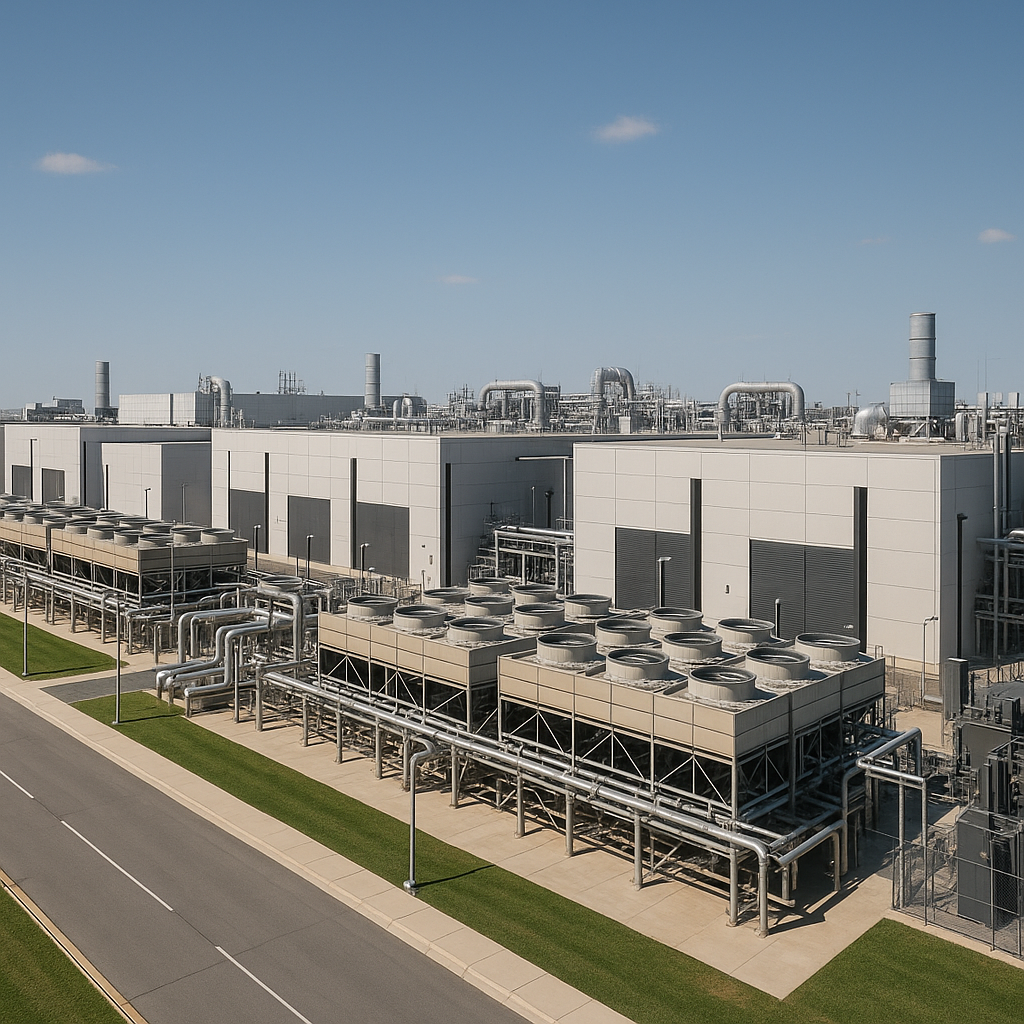
In a contentious revelation in Fayetteville, Georgia, a data center operated by Quality Technology Services (QTS) used nearly 30 million gallons of water over a span of months—without reporting or paying for it. The discovery has sparked fierce debate over the environmental toll of rapidly expanding data center operations, especially as new technologies like artificial intelligence increase resource demands.
As concerns about water scarcity and energy usage reach new heights, public scrutiny over the unchecked growth of data centers is intensifying. The incident in Fayetteville has become emblematic of the broader conversation: Should tech companies bear greater responsibility for the strain they place on local resources, or are these isolated lapses in oversight?

How a 30-Million-Gallon Oversight Came to Light
The saga began when residents of Fayetteville’s Annelise Park subdivision noticed unusually low water pressure in their homes. According to an investigation first reported by Politico, county officials traced the issue to “two industrial-scale water hookups” connected to QTS’s data center campus. One of these hookups was not registered with the water utility at all, while the other was connected but excluded from the company’s billing account.
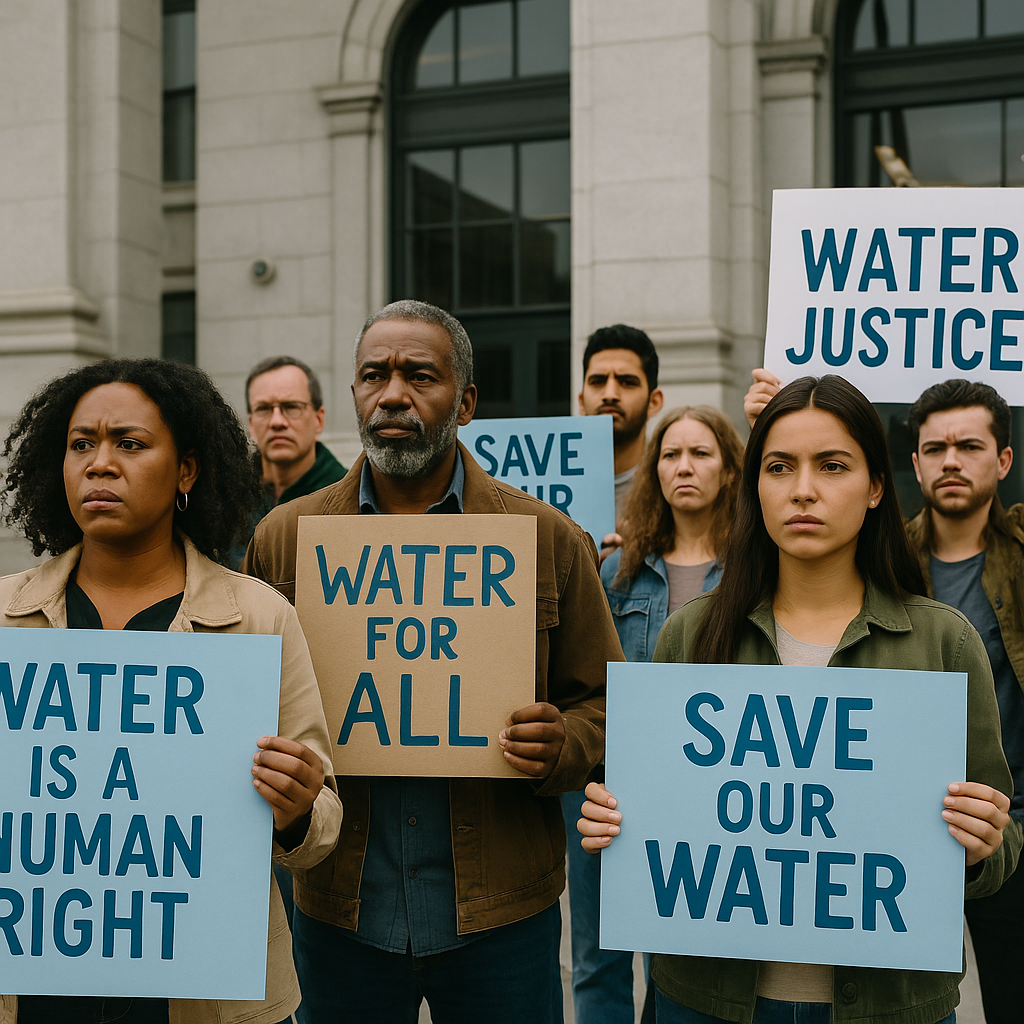
Fayette County ultimately determined that nearly 30 million gallons of water were consumed without proper payment. In a letter obtained through open-records requests, the county demanded $147,474 in back charges from QTS, which the company promptly paid. While QTS attributed the situation to operational misunderstandings related to the county’s rollout of smart meters, local backlash was swift. Residents were particularly upset as they had been urged to conserve water during the same period due to local drought conditions.
James Clifton, a lawyer and local resident who brought the issue to the public’s attention, summed up the frustration: “We were told not to water our lawns, yet here we find out a massive facility was using tens of millions of gallons without anyone monitoring it.”
Why Data Center Water Use Is Under Scrutiny
The Fayetteville incident highlights a growing dilemma for communities hosting data centers. As hubs for cloud computing and artificial intelligence (AI), these facilities consume enormous amounts of energy and water. Georgia alone is home to 213 data centers, according to Data Center Map, and many operate in areas already grappling with water shortages.
Water is vital for cooling the high-performance servers that run nonstop in these facilities. While some companies are transitioning to more efficient “closed-loop” cooling systems, others continue to rely on practices that consume millions of gallons of water monthly. This issue has gained even more urgency in Georgia as the state experiences worsening droughts, coupled with events like the wildfires that prompted a state of emergency earlier this year.
Environmental analysts are raising red flags. “A single large-scale data center can require the equivalent water usage of a town with several thousand residents,” said a sustainability expert at a recent industry conference. “As demand for AI and cloud computing grows exponentially, the infrastructure to support it must scale responsibly for both the environment and local communities.”
Industry Pushback and Promises of Improvement
QTS has countered residents’ frustrations by claiming its elevated water usage was tied to temporary construction projects and not regular operations. The company has also emphasized that its Fayetteville campus is designed to run on a closed-loop cooling system in the future, which would dramatically reduce its reliance on public water systems. However, many residents remain skeptical, pointing to the magnitude of the oversight that allowed 30 million gallons to go untracked in the first place.
In a broader context, the Fayetteville case isn’t an isolated incident. Across the United States, tensions between tech giants and local communities have flared over resource usage. In Utah, for example, a massive $100 billion data center development proposal recently faced widespread backlash, as reported by Fortune, over fears it would disrupt water and energy supplies in rural communities. While proponents highlight the economic benefits of data centers, critics argue insufficient attention is paid to long-term environmental costs.
The Larger Debate: Growth vs. Sustainability
Fayetteville’s data center controversy has reignited the classic conflict between economic development and environmental stewardship. On one hand, data centers provide significant economic benefits to host regions by creating skilled jobs, attracting tech investment, and generating tax revenue. On the other hand, their massive energy and water footprints raise questions about sustainability, especially in regions already facing environmental pressures.
For local governments, regulating these facilities requires a fine balance. Overly strict regulations may deter investment in fast-growing technology sectors, while lax enforcement risks alienating residents and exacerbating resource shortages. Tech companies, meanwhile, face mounting pressure to act as responsible corporate citizens, with growing calls for transparency in resource consumption and commitments to more sustainable practices.
Respected voices in the industry have advocated for stronger public-private partnerships to address these issues. “We need coordinated efforts—governments providing well-defined policies and tech companies investing aggressively in green technologies,” noted an economist during a tech panel discussion last month. “Failure to do so will harm not only communities but the public image of the data technology industry overall.”
What Comes Next?
The Fayetteville case serves as a wake-up call for both state regulators and the data technology industry. Enhanced oversight, transparent reporting, and resource-efficient facility designs will likely take center stage in discussions about data center growth policies. Residents, for their part, are demanding more accountability to ensure such situations don’t recur.
For policymakers, the challenge is clear: balancing local sustainability concerns with the national and global demand for data infrastructure. As more regions grapple with water scarcity and climate risks, proactive measures may be necessary to avoid conflicts between tech developments and environmental or community welfare.
Looking forward, industry analysts warn that the pressures on local infrastructure will only intensify as technologies like artificial intelligence scale. Whether through litigation, stricter regulations, or collaborative initiatives, stakeholders must address these issues head-on to ensure that data centers don’t become environmental flashpoints in a digital age.